Italy's government convened emergency talks with intelligence chiefs on Tuesday after a wave of cyberattacks on supermarket refrigeration systems disrupted stores in at least 11 European countries. The attacks, which have affected outlets in Germany, the Netherlands, Belgium, Sweden, Romania, and the UK, among others, have forced retailers to discard spoiled food and raised concerns about the vulnerability of critical infrastructure.
The Italian government said the domestic impact so far has been "highly limited," with only about 20 stores affected nationwide, all of which used outdated security systems. Ministers met with intelligence officials and the country's National Cyber Security Agency, which issued technical guidance to retailers on how to protect their systems.
Giuseppe Spadaro, who directs a group running Coop supermarkets in Sicily, told Corriere della Sera that four of its 300 stores were hit. "We had to throw away everything. The shelves are empty," he said.
EU-wide response and conflicting assessments
The European Union is coordinating a collective response. EU spokesperson Thomas Regnier said, "These are not isolated incidents, and of course, we have to be collectively resilient and prepared for such cyber incidents." On Monday, EU food and agriculture commissioner Christophe Hansen called the attacks a "deliberate attempt to disrupt our food supply chain."
However, Romania's cybersecurity chief offered a more measured assessment. Dan Cimpean, director of the National Cyber Security Directorate, described the attacks as "semi-amateurish" and said, "We do not suspect, under any circumstances, that it is a state actor." Six Romanian outlets were affected.
In the UK, Richard Horne, head of the National Cyber Security Centre, told the BBC that the issue affected "the whole food supply chain," noting that there had been a couple of instances where "vulnerable technology had been exploited." The UK's NCSC has previously warned that AI-driven cyberattacks on critical infrastructure could escalate by 2028.
Belgium appears to be among the hardest-hit countries, with federal prosecutors opening an investigation. Hundreds of French supermarkets were hit by a similar attack last month, suggesting a pattern that may be spreading.
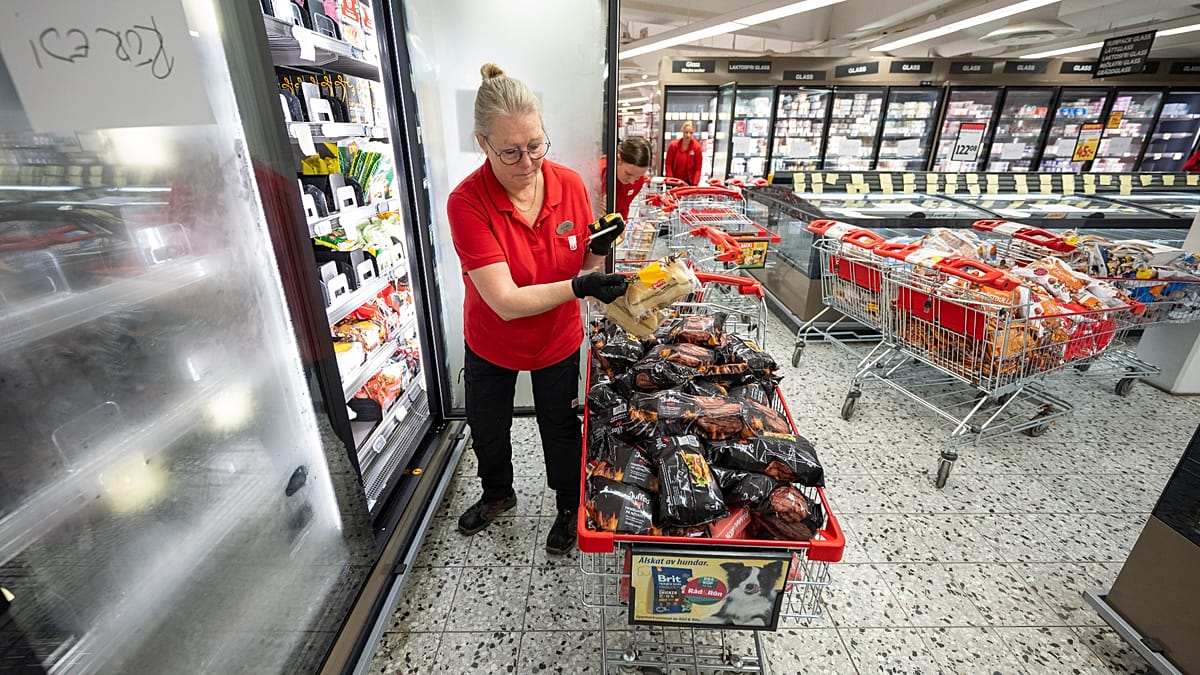
In Sweden, the Coop chain said its seven affected shops had returned to normal, and that the compromised equipment had been connected over old 4G mobile networks. Germany reported four stores affected.
The attacks exploit a known vulnerability: supermarket refrigeration systems are often connected to the internet for remote monitoring and maintenance. Recent research by security firm Forescout found nearly 13,000 refrigeration control services openly reachable online across 99 countries, making them an attractive target for hackers.
While no group has claimed responsibility, the incident underscores the growing threat to Europe's food supply chain. As the EU and national authorities work to contain the fallout, the episode serves as a reminder of the need for robust cybersecurity measures across all sectors. For a deeper look at how these attacks work and the potential role of AI, see this analysis of supermarket freezer hacks.