European Union ambassadors gave their backing on Wednesday to the controversial EU-US trade agreement, moving it one step closer to formal adoption by the Council of the EU. The endorsement follows a provisional deal struck last week between EU diplomats and lawmakers to eliminate most EU duties on American industrial goods.
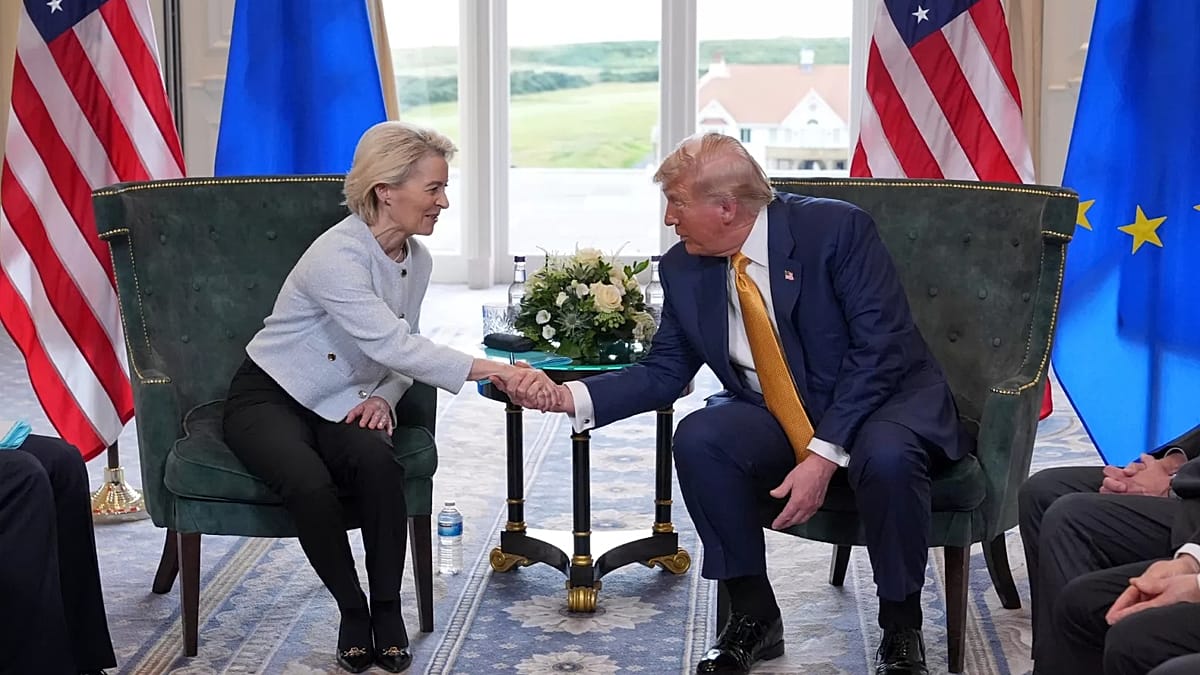
The procedural green light comes as Washington intensifies pressure on Brussels to implement the accord, which was initially agreed last summer by US President Donald Trump and European Commission President Ursula von der Leyen after a period of renewed transatlantic trade tensions. Trump has warned that he will impose 25 percent tariffs on European cars if the EU does not enforce the deal by 4 July.
Sunset Clause and Safeguards
The agreement, considered lopsided by many members of the European Parliament, stipulates that the EU will eliminate its duties on US goods while still facing 15 percent US tariffs. In response to repeated threats from Trump to breach the deal with new tariffs, EU lawmakers pushed for the inclusion of a “sunset” clause that would terminate the agreement on 31 December 2029 unless renewed.
A spokesperson for the Cypriot Presidency, which negotiated with MEPs on behalf of EU member states, described the accord as “an important step in delivering on the EU’s commitments.” The spokesperson added that “robust safeguards” had been incorporated “to protect the interests of European businesses and economic operators.”
MEPs still need to formally endorse the agreement, with a tentative vote scheduled during the plenary session from 15 to 18 June. If approved, the deal will mark a significant milestone in EU-US trade relations, though its temporary nature and the lingering threat of US tariffs underscore the fragility of the current transatlantic trade environment.
The deal’s adoption comes amid broader European efforts to strengthen economic sovereignty and diversify trade partnerships. For instance, the EU recently finalized an updated trade deal with Mexico to remove barriers, reflecting a strategy to reduce reliance on any single partner. Meanwhile, internal EU dynamics remain complex, as seen in the ongoing negotiations over the defence omnibus, where divisions over eligibility persist.
European businesses and policymakers will be watching the parliamentary vote closely. The outcome will determine whether the EU can present a united front in trade negotiations with the US, or whether internal disagreements and external pressures will continue to complicate the bloc’s trade agenda.