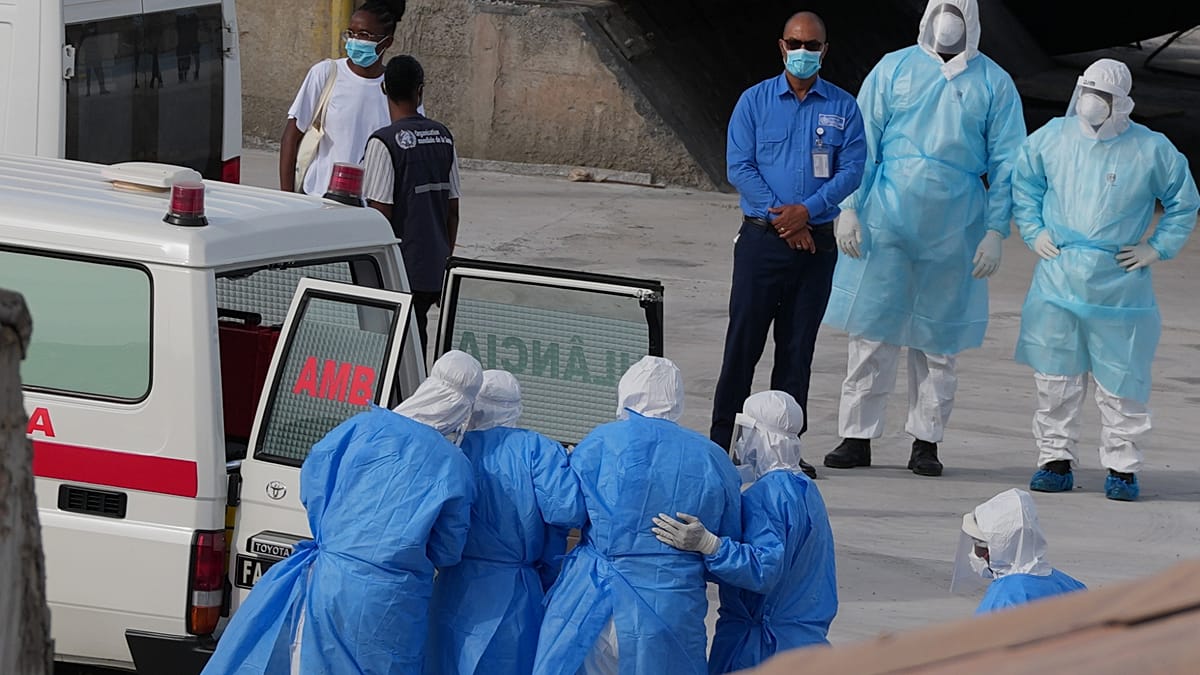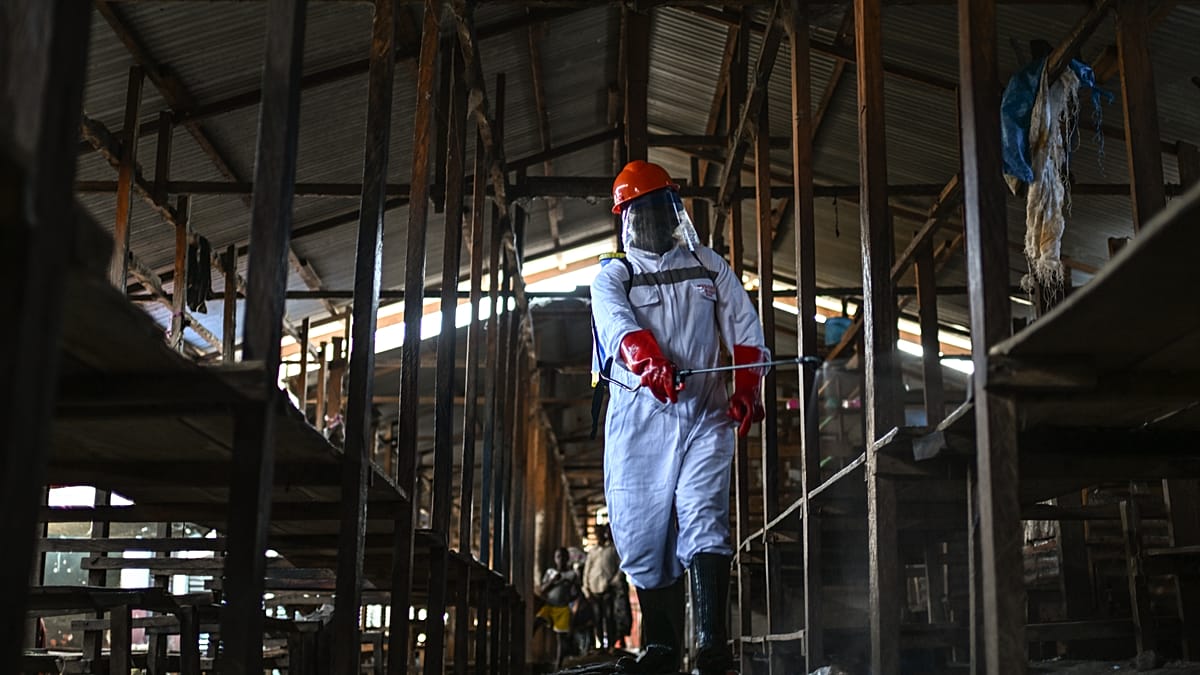
In a coordinated response to the escalating Ebola outbreak in the Democratic Republic of Congo, the European Union and UNICEF have airlifted 100 tonnes of humanitarian supplies from Liège, Belgium, to the Ituri Province. The shipment, which departed on Monday, is designed to bolster local health infrastructure and protect communities from the Bundibugyo virus, a strain for which no vaccines or treatments currently exist.
The aid package includes essential medicines, infection prevention and control materials, personal protective equipment, cholera and malaria treatment supplies, and high-performance tents. According to UNICEF, the supplies are expected to reach approximately 100,000 people directly affected by the outbreak, while also supporting broader humanitarian needs in the region.
EU Commissioner Highlights Regional Risk
Hadja Lahbib, the European Commissioner for Preparedness and Crisis Management, underscored the severity of the situation, stating that the outbreak poses a “danger to the region, the country, and neighboring countries.” She noted that the aid would also assist around five million people who are heavily reliant on humanitarian assistance, including one million displaced individuals living in some 60 camps across Ituri.
The World Health Organisation classified the outbreak as a public health emergency of international concern on 17 May, reflecting the high risk of cross-border spread. The European Centre for Disease Prevention and Control has assessed the likelihood of transmission to the EU and European Economic Area as low, but the EU is taking no chances.
€7.4 Million for Vaccine Research
Recognising the critical gap in medical countermeasures, the EU is contributing €7.4 million to a research and development plan coordinated with the WHO. The funding aims to accelerate clinical trials for vaccines and treatments targeting the Bundibugyo virus. This investment is part of a broader EU strategy to strengthen global health security and preparedness.
The European Commission is also coordinating its prevention and preparedness efforts with the Africa Centres for Disease Control and Prevention, the WHO, and EU member states through the Health Security Committee. This multi-layered approach seeks to contain the outbreak at its source and prevent further international spread.
Historical Context and Ongoing Challenges
The Democratic Republic of the Congo has experienced 17 Ebola outbreaks since the virus was first identified in 1976, with nine occurring in the past 16 years. The country’s fragile health system, compounded by conflict and displacement, makes it particularly vulnerable to such epidemics. The current outbreak in Ituri is a stark reminder of the persistent threat posed by emerging infectious diseases.
Ebola spreads through direct contact with bodily fluids of symptomatic patients, and containment relies on rapid isolation, safe burials, and community engagement. The EU’s support, including the airlift of supplies and research funding, is a critical component of the international response.
For further context on the broader outbreak, see our coverage of the WHO chief’s warning that the outbreak is outpacing response efforts. Meanwhile, the recent Ebola alert in Lombardy highlights the vigilance required even in Europe.