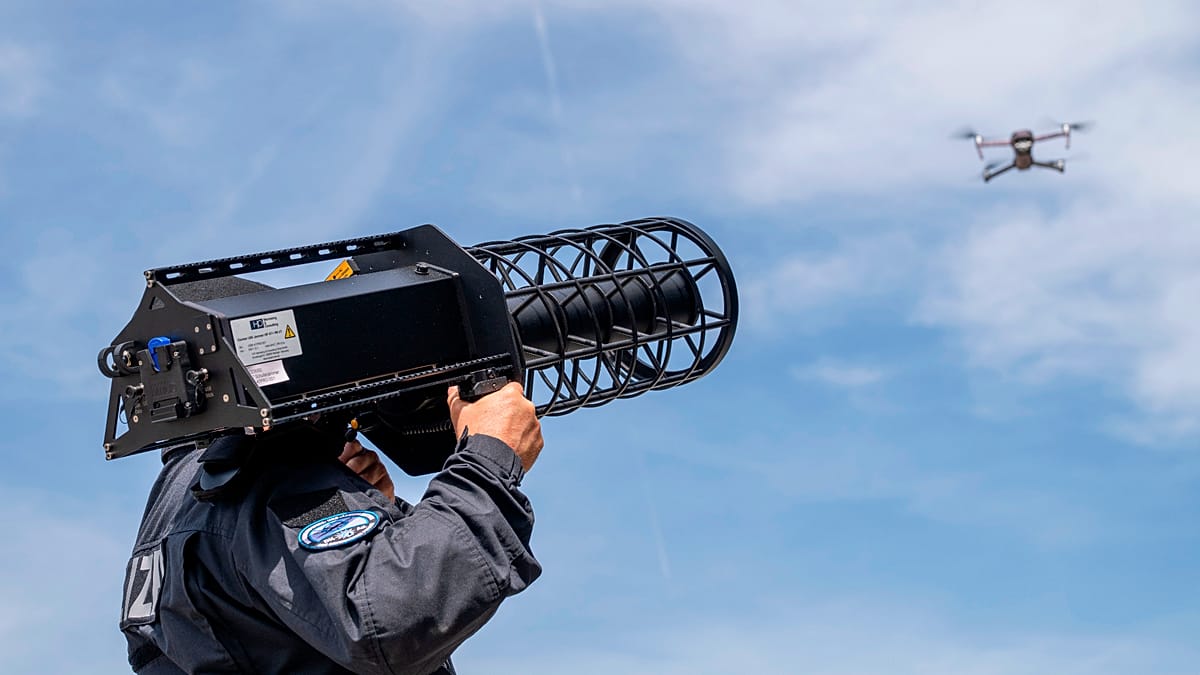
European Union member states have dramatically increased spending on counter-drone technology, but a confidential report warns that most of these efforts will not come to fruition by 2030. The assessment, prepared by the European Defence Agency (EDA) and shared with national governments last week, paints a sobering picture of the bloc's ability to defend against unmanned aerial threats.
According to the 2026 annual defence readiness report, investment in counter-drone and very short-range air defence capabilities grew sixfold between 2024 and 2025. Yet the document cautions that only around one third of the programmes are expected to deliver operational capability by the end of the decade. The report was obtained by Euronews and has not been made public.
Eastern flank under pressure
The urgency is most acute on the EU's eastern flank, stretching from the Baltic Sea to the Black Sea. Drones have become a persistent feature of the conflict in Ukraine, and some have strayed into EU territory. On Tuesday, two commercial vessels were struck by drones in Bulgaria's territorial waters, one of which sank. The incident underscores the immediate threat posed by unmanned systems, a point highlighted in the EDA's analysis.
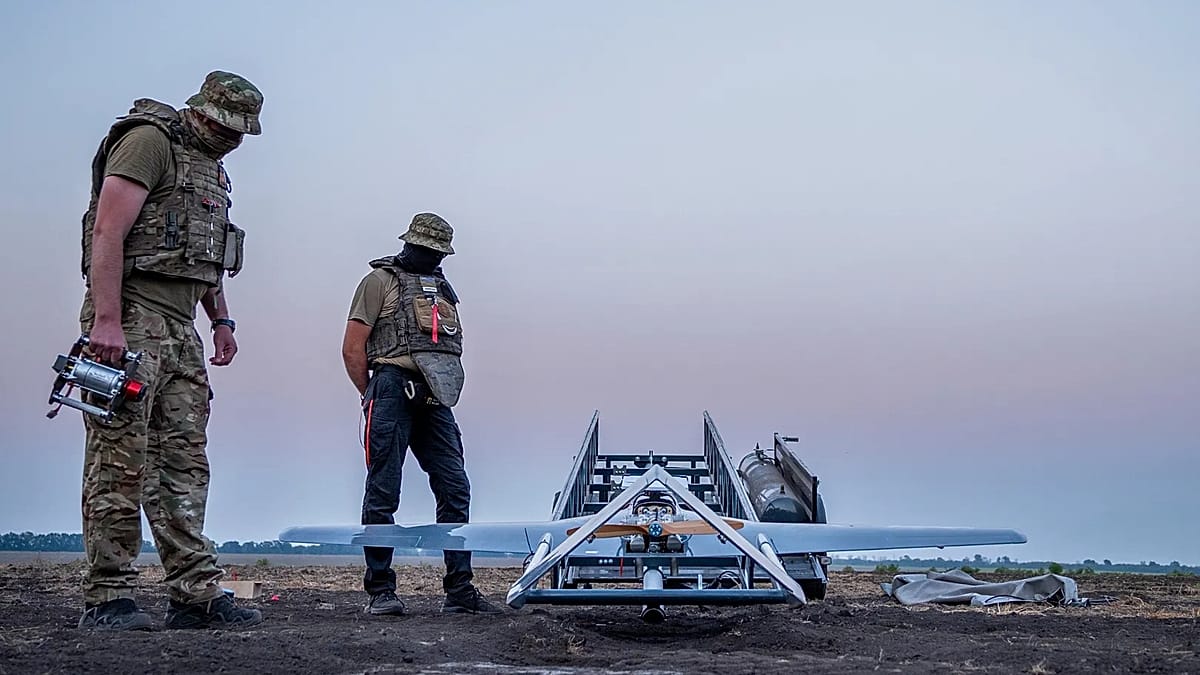
The report notes that most member states are prioritising investment in drones for surveillance, reconnaissance and target acquisition. However, other categories of unmanned aircraft—such as loitering munitions and first-person-view (FPV) drones—continue to receive limited funding, despite their demonstrated effectiveness on the battlefield.
Overall, EU countries are expected to invest €18.9 billion in drone technologies between 2024 and 2029, according to the report. Yet the EDA warns that "significant capability gaps and external dependencies continue to affect overall European readiness."
Fragmentation and slow procurement
The report identifies several structural weaknesses. Procurement remains fragmented at the national level, limiting interoperability between member states. There is also a lack of experimentation capacity and insufficient industrial surge production, particularly for weaponised drones. These issues are compounded by the rapid pace of technological innovation, which the EDA says is "outstripping traditional acquisition cycles, creating a persistent risk that capabilities become obsolete before they can be fielded."
In other words, by the time a system is developed and deployed, it may already be outdated. The report argues that closing these gaps would be relatively inexpensive compared to other defence capabilities, but it would require sustained funding and a more agile, integrated approach.
Some member states are already moving in that direction. Spain, Denmark, Croatia, Latvia and the Netherlands are leading a joint EU project to procure drones and anti-drone systems collectively, and to establish a technology hub for innovation and testing. The initiative is a step towards the kind of collaborative procurement the EDA advocates.
Industrial ecosystem: dynamic but fragmented
The EDA also identified more than 200 companies in the EU producing drone and counter-drone technologies. This ecosystem is described as dynamic but fragmented, with the potential to expand by up to 140% by next year if the right investment framework is put in place. The report stresses that current plans and programmes must be paired with adequate doctrine and training to be effective.
The findings come as the EU steps up its defence cooperation, including releasing €1.24 billion for Ukrainian-made drones and munitions. The Black Sea incidents have also exposed gaps in EU maritime defence plans, as recent analysis has shown.
The leaked report is likely to intensify calls for a more coordinated European approach to drone defence. With the threat evolving rapidly, the EDA's message is clear: investment alone is not enough; the EU must also reform how it procures and integrates these critical capabilities.