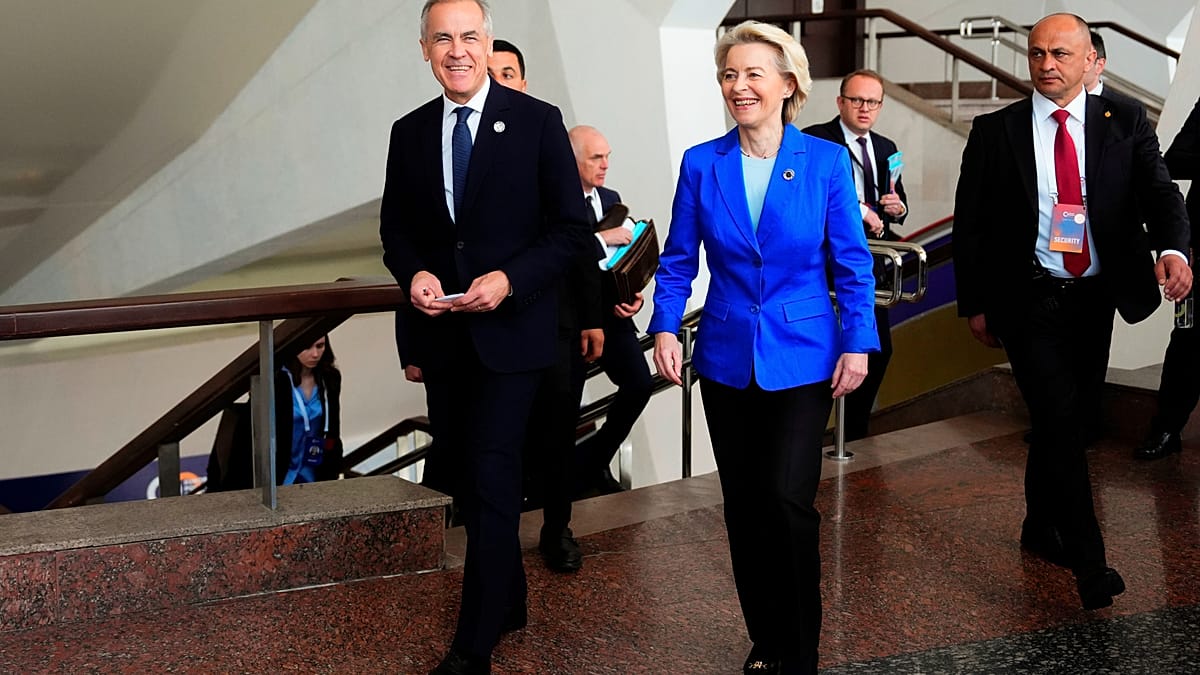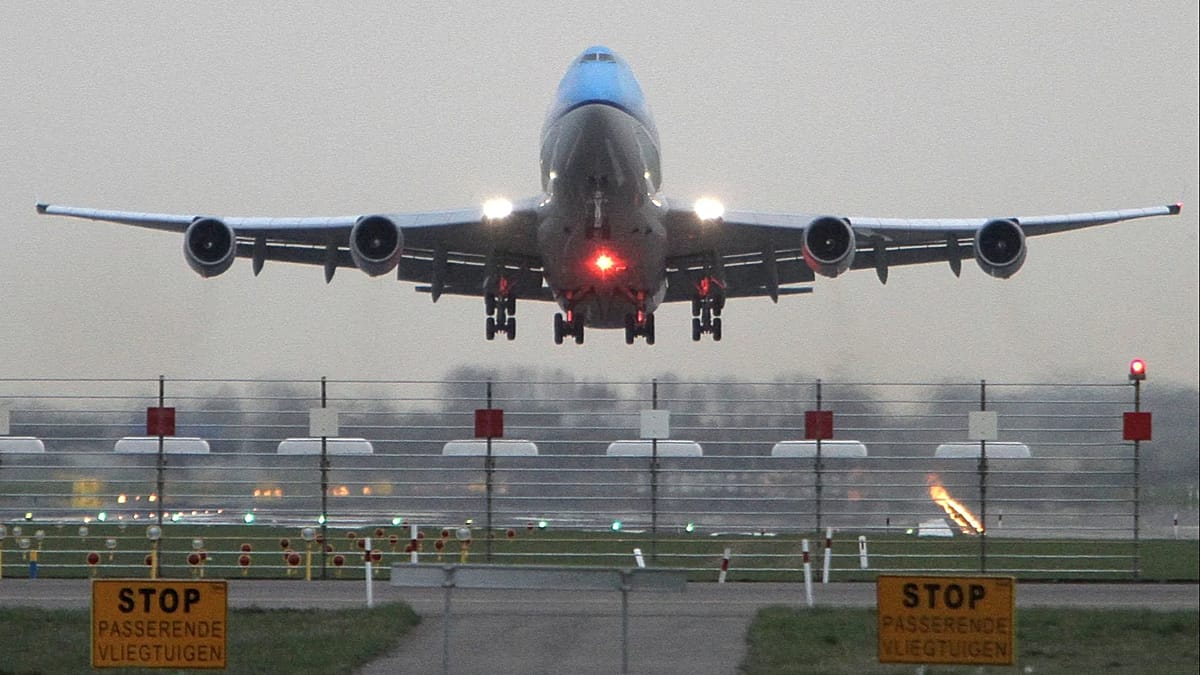
After more than a decade of contentious negotiations, the European Council and the European Parliament have reached a final agreement on revised air passenger rights rules. The deal, struck on Friday by EU ambassadors and the Cypriot Presidency of the Council, ensures that travellers will continue to enjoy free cabin luggage and retain the right to financial compensation for delays of three hours or more.
The agreement resolves a long-standing dispute between the European Parliament, which pushed for stronger consumer protections, and several EU member states that had resisted tighter rules. Under the new framework, airlines must include in their standard ticket price both a small personal item (measuring up to 40 cm by 30 cm by 15 cm) and a larger carry-on suitcase (with a maximum total dimension of 100 cm and weight up to 7 kg). This effectively ends the practice of charging separate fees for cabin baggage, a common revenue stream for low-cost carriers such as Ryanair and EasyJet.
Passengers will also continue to be entitled to compensation of between €250 and €600 for flights delayed by more than three hours or cancelled. The revised text clarifies that for flights over 3,500 kilometres, compensation will be €300, rising to €600 if the delay exceeds four hours or the flight is cancelled. One senior EU diplomat noted that the fee structure has remained predictable for nearly two decades, providing stability for both airlines and passengers.
Decade-Long Revision Finally Concluded
The EU's air passenger rights regulation, originally adopted in 2004, was opened for revision in 2013. European lawmakers have since pushed for expanded baggage rights and safeguards in cases of airline bankruptcy, but faced resistance from some member states and the aviation industry. Lithuanian Green MEP Virginijus Sinkevičius recalled that the original law was not designed for today's reality, where air traffic has boomed. He pointed out that Ryanair carried roughly 23 million passengers per year in 2004, compared to over 183 million in 2024, while Wizz Air did not even exist at the time and EasyJet was a niche operator. Low-cost carriers now dominate intra-European aviation, building business models around unbundling services that were once standard.
One EU diplomat acknowledged that the old rules no longer met expectations, making the revision a necessity rather than an option. Previous negotiations saw member states propose raising the delay threshold for compensation from three to four hours, a move opposed by Germany, Portugal, Slovenia, and Spain. Airlines had lobbied for compensation to kick in only after five hours, arguing that delays are often beyond their control and linked to technical issues at airports.
The new rules are set to take effect in 2027. While the change may lead to higher base ticket prices, especially for budget carriers that currently charge extra for overhead bags, travellers who choose to fly without a suitcase can opt out and receive a reduced fare. Consumer groups have long argued that charging for cabin bags is illegal, particularly under the practices of low-cost airlines, and that passengers should have the right to claim compensation for delays.
Some airlines have recently rushed to impose cabin baggage fees, citing financial losses from soaring jet fuel prices linked to disruptions in the Middle East. The final confirmation of the deal is expected on Monday afternoon, when the Parliament will send a joint letter to the Presidency, officially closing the legislative file.