When travelers think of street food, they often imagine the bustling markets of Southeast Asia or the taco stands of Mexico. But a new study by Radical Storage turns that assumption on its head: Europe dominates the global ranking of the best cities for street food, with Paris claiming the number one spot.
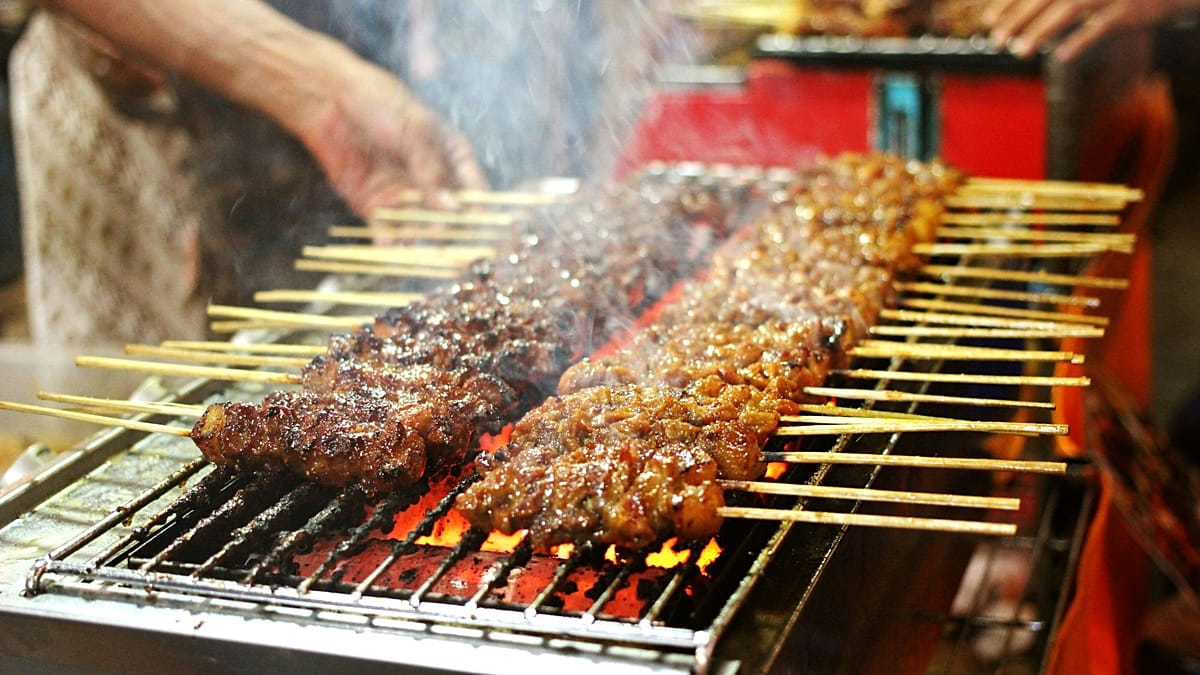
The research analyzed 6,897 street food vendors across the 100 most-visited cities worldwide, using criteria such as vendor density, average ratings, variety of cuisines, and availability of vegetarian, vegan, and gluten-free options. Street food was defined broadly to include food stalls, trucks, and sit-in restaurants serving classic street food dishes.
Paris leads with density and quality
The French capital scored 7.2 out of 10, driven by a high density of 3.82 street food vendors per square kilometer and the fact that 69.1% of its 401 eateries earned ratings of four stars or higher. Paris has long been a culinary destination, but this ranking highlights its often-overlooked street food scene, from crêpes and falafel to more recent trends like gourmet food trucks. The city's vibrant food culture is also reflected in other accolades, such as Paris bar De Vie winning best new international cocktail bar earlier this year.
Athens came second with a score of 6.9, thanks to its 29 distinct cuisines and a vendor density of 4.21 per square kilometer. Thessaloniki, Greece's second-largest city, ranked third with a score of 6.1, where 77.1% of its street food options are budget-friendly. The Greek island of Rhodes also made the list, topping the ranking for the highest proportion of highly rated vendors: 82% of its street food spots earned four stars or more.
London secured fifth place, praised for having the greatest variety of cuisines among all cities studied, with dishes from 39 different food types. This diversity reflects the city's multicultural population and its status as a global hub. A recent survey also found that London tops European cities for tourist welcome, further cementing its appeal to visitors.
Europe's street food renaissance
The top ten list includes seven European cities: Paris, Athens, Thessaloniki, Barcelona, London, Rhodes, Rome, Budapest, and Amsterdam. Hanoi, Vietnam, is the only non-European entry, ranking eighth. This concentration suggests that European cities are investing in street food infrastructure and regulation, making it easier for vendors to operate and for consumers to find quality options.
Rome, known for its pizza al taglio and supplì, ranked seventh. The city has recently been in the news for other reasons, including Italy's parliament moving to ban horse-drawn carriages in historic centers, a move that could affect tourist experiences. Budapest and Amsterdam round out the top ten, with Budapest offering hearty street food like lángos and goulash, while Amsterdam's herring stalls and poffertjes remain popular.
The study's methodology weighted vendor density most heavily at 30%, followed by the proportion of budget-friendly options at 20%. Ratings, cuisine variety, and dietary options each accounted for 10%. This approach favors cities with many vendors spread across a compact area, which partly explains why dense European capitals perform well.
For travelers seeking authentic and affordable eats, the results suggest that Europe's streets are as rewarding as those in more traditional street food destinations. Whether it's a crêpe in Paris, a souvlaki in Athens, or a currywurst in Berlin, the continent offers a rich tapestry of flavors that are increasingly recognized on the global stage.