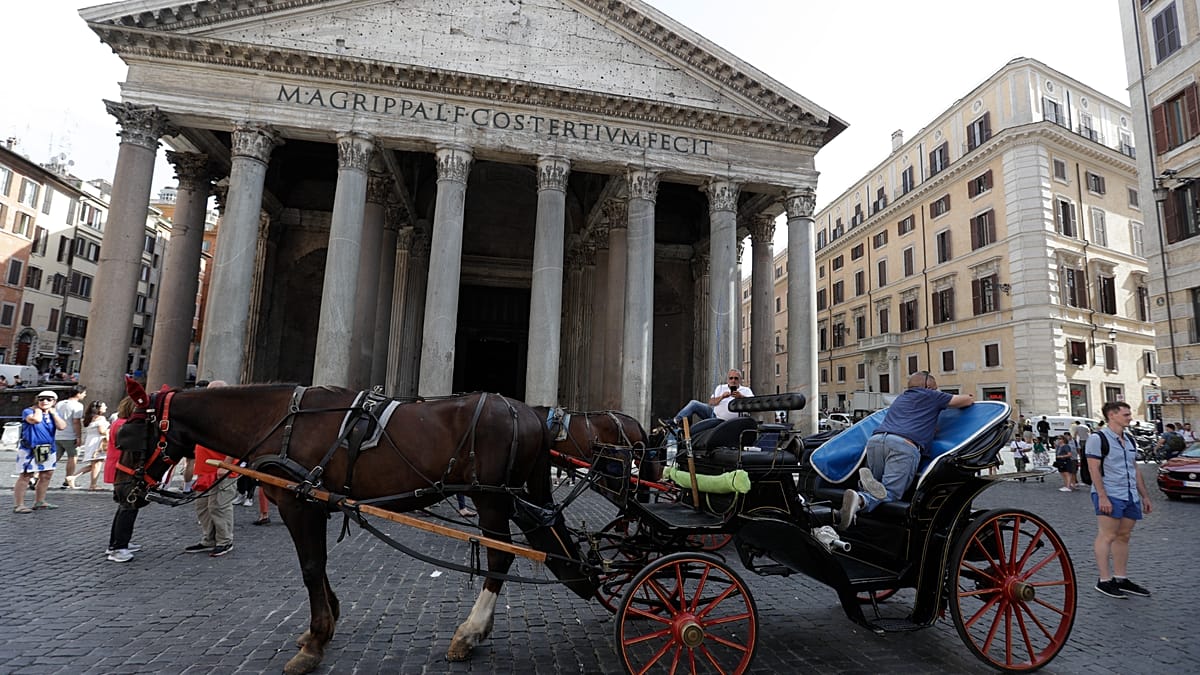
One of Rome's most recognisable tourist traditions may soon come to an end. On Wednesday, a bill was introduced in Italy's Chamber of Deputies that would ban the botticelle — the horse-drawn carriages that ply the streets of the capital and other historic cities.
The proposed law, backed by the centre-left Partito Democratico (PD), the Greens and Left Alliance (Avs), and the Five Star Movement (M5S), would repeal Article 70 of Italy's Highway Code. That article currently authorises the use of animal-drawn vehicles for public hire, non-scheduled transport, and tourist, recreational, or ceremonial purposes. If passed, the new legislation would explicitly prohibit the use of horses to pull carriages for any such service.
National law needed, say MPs
PD MP Patrizia Prestipino, who also serves as animal welfare guarantor for Roma Capitale, argued that piecemeal local ordinances are insufficient. 'Individual municipal ordinances that restrict the hours and activities of the botticelle are not enough,' she said during a press conference alongside Avs MP Francesco Emilio Borrelli and M5S MP Sergio Costa. 'We need to move towards a national law that abolishes botticelle and animal-drawn carriages in cities.'
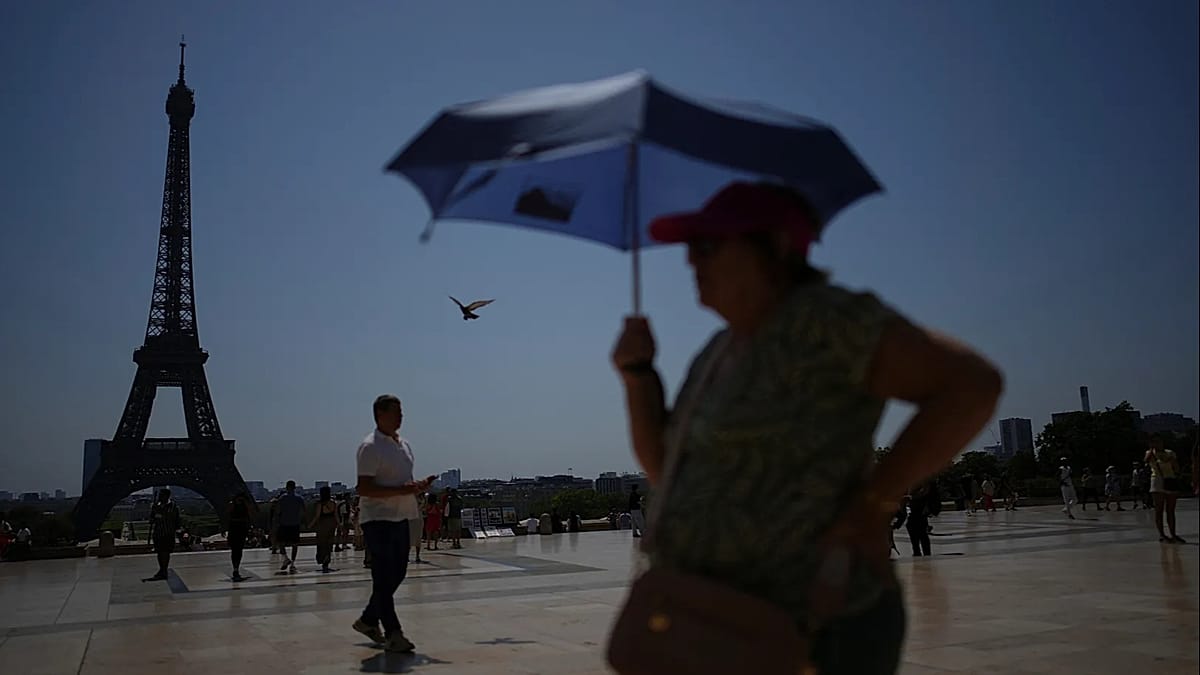
Prestipino noted that environmental and animal welfare groups, including the association Amore A Quattro Zampe, have long pointed out that modern urban roads are unsuitable for working animals. The extreme summer temperatures, she added, make conditions particularly dangerous for horses, with scorching asphalt causing burns and heat stress.
Rocco Ferraro, a councillor for Roma Capitale and delegated councillor for the Metropolitan City of Rome Capital for the Environment, Ecological Transition, Protected Areas and Animal Protection, expressed support for the bill. 'In 2026, continuing to have horses pulling carriages in the heart of the capital is a practice that belongs to the past, not the future,' he said. Ferraro is also behind an awareness campaign titled A piedi è più bello (Walking is more beautiful), which will run in Italian and English throughout August in Rome's main tourist areas.
The debate over the botticelle is part of a broader conversation about the future of tourism in Italy's historic centres. Rome, Florence, and other città d'arte have been grappling with the balance between preserving tradition and adapting to modern standards of animal welfare and urban liveability. Similar discussions have taken place in other European cities, such as Vienna and Paris, where horse-drawn carriages have also faced scrutiny.
Italy's tourism sector, which contributes significantly to the national economy, has seen a series of recent policy shifts. For instance, Edinburgh imposed a 5% tourist levy on overnight stays to fund city improvements, while a giant swing over the Swiss Alps aims to lure summer tourists as snow cover declines. The proposed ban on horse-drawn carriages reflects a growing emphasis on sustainable and ethical tourism practices across the continent.
The bill now moves to parliamentary committees for scrutiny before a floor vote. Its fate remains uncertain, but supporters are optimistic that the cross-party backing will help it pass. If enacted, the law would mark a significant shift in how Italy's historic cities manage their tourist offerings, prioritising animal welfare over a centuries-old tradition.