Cuba's tourism sector, once a cornerstone of the island's economy, has been pushed to the brink of collapse. Prime Minister Manuel Marrero confirmed that nearly three-quarters of hotels are now closed, and seven international hotel chains have withdrawn, marking an unprecedented downturn for an industry that employed over 300,000 people.
Speaking publicly about the crisis for the first time, Marrero described the situation as one of 'almost total paralysis.' The closures follow a tightening of US sanctions and severe fuel shortages that have crippled transportation and aviation. In February, Havana announced an aviation fuel shortage, prompting airlines from Canada, Russia, and several European countries to suspend flights to the island.
Spanish hotel groups exit after three decades
The most significant blow came from Spanish hotel operators, which had dominated Cuba's tourism landscape for more than thirty years. Meliá Hotels International, Iberostar, and Barceló — all major players in the European hospitality market — have ceased operations on the island. Meliá informed Spain's National Securities Market Commission (CNMV) that it would shut down its 34 hotels on 24 July, while Iberostar and Barceló confirmed they no longer manage any properties in Cuba.
These departures account for 46% of hotel rooms previously operated under international management agreements. The exodus accelerated after Washington imposed sanctions in May on GAESA, the military-run conglomerate that controls much of Cuba's tourism infrastructure. International operators faced the risk of US penalties if they continued partnerships with GAESA-linked entities.
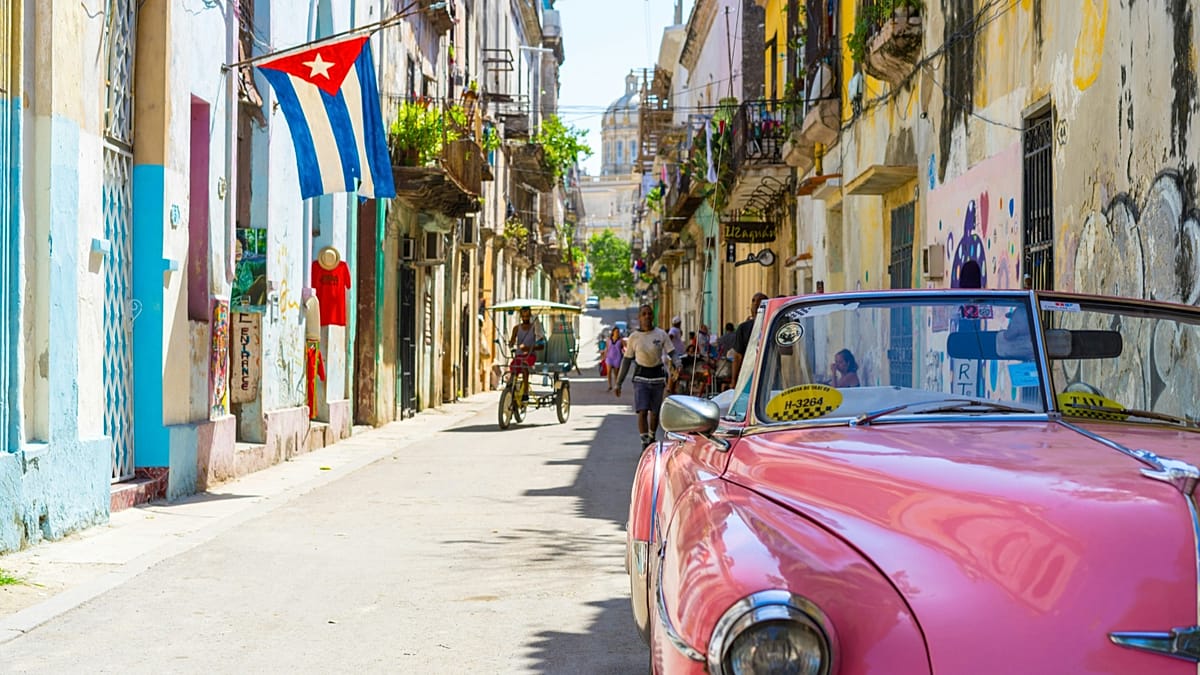
The collapse is not limited to hotels. The streets of Old Havana, once crowded with tourists seeking sun, salsa, and cocktails, are now eerily quiet. Marrero noted that around 25,000 workers have been left 'in a vulnerable situation' as the industry sheds jobs.
Visitor numbers plummet
Data from Cuban media outlet CiberCuba shows the scale of the decline. Between January and June 2026, the island received only 360,000 international visitors — a 58% drop compared to the same period in 2025. That year itself was already catastrophic, with 1.81 million tourists, the worst figure since 2002 and far below the official target of 2.6 million.
The crisis in Cuba echoes broader challenges facing tourism-dependent economies, though the island's situation is uniquely severe due to the combination of US sanctions and internal fuel shortages. In Europe, similar pressures from climate change and geopolitical tensions are reshaping travel patterns. For instance, the coolcation trend is driving tourists toward northern destinations as southern Europe faces extreme heat, while Spain's tourism boom has exposed affordability issues for locals.
For Cuba, the road to recovery remains uncertain. The withdrawal of Spanish hotel groups marks the end of an era, and without a resolution to the fuel crisis or a shift in US policy, the industry's paralysis may become permanent. European travelers, once a key source of visitors, now have few options to reach the island, and those who do find a drastically reduced hospitality infrastructure.