This summer, as thermometers across southern Europe regularly hit 40°C, a growing number of travelers are abandoning the Mediterranean coast for cooler escapes in Scandinavia, the Alps, and even the Baltic states. The phenomenon, dubbed the 'coolcation,' has accelerated sharply in 2026, raising questions about whether it represents a lasting transformation of European tourism or a temporary response to extreme weather.
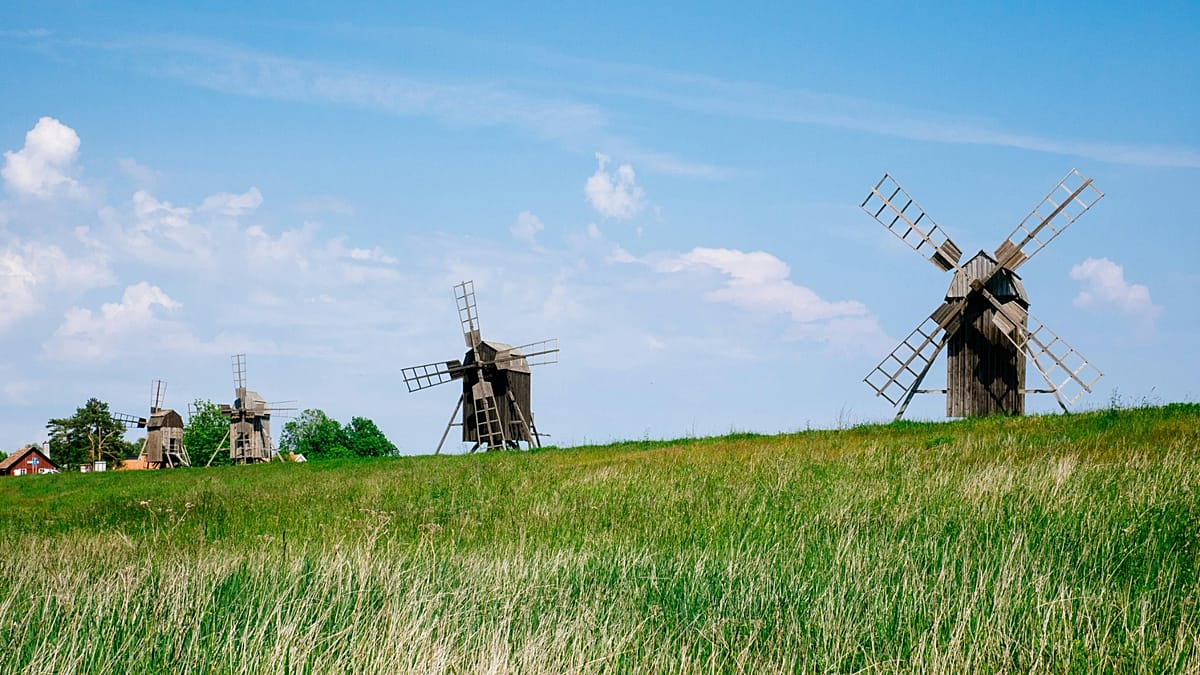
In southeastern Sweden, tour guide Terje Viblom Pedersen reports that visitors are 'amazed' by daytime highs below 30°C, sea breezes, and the absence of crowds typical of southern hotspots. 'They have escaped the heat in southern parts of Europe,' he said. French tourists Daniel and Florence Gastaldi, recently retired from Marseille, echoed that sentiment while exploring Stockholm's Gamla Stan: 'We're happy to have found cooler temperatures.'
Northern Europe's moment in the sun
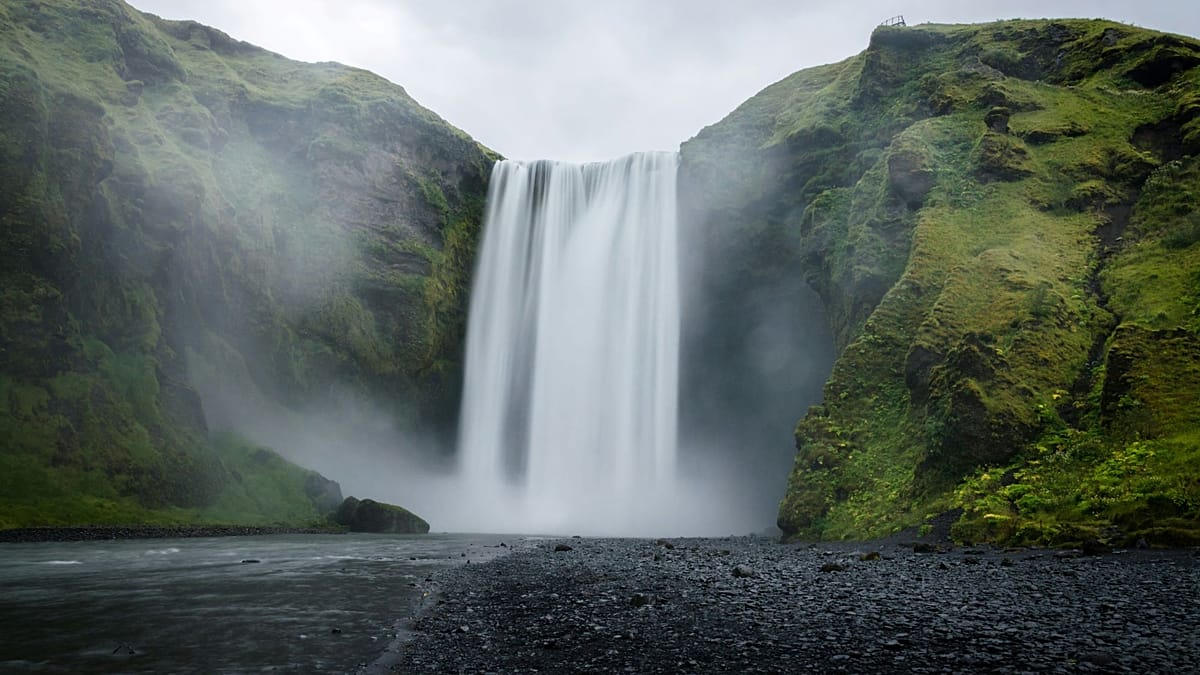
Data from travel intelligence firms Mabrian and Data Appeal reveal rising interest in regions such as southern Finland, Vestland in Norway, and northern areas of traditionally warmer countries — including Galicia in Spain, Trentino-Alto Adige in Italy, and Normandy and Alsace in France. On Hotels.com's French site, searches for Copenhagen jumped 246% after the first heatwave hit France in May, while Dublin saw a 151% increase.
The trend is not confined to Europe. Jonna Robertson, a travel advisor at New York-based Fora Travel, noted similar patterns among American clients. 'Oslo has seen booking growth of 154% year-over-year, Helsinki 124%,' she said. 'Those numbers tell me that travelers are actively looking beyond the traditional summer hotspots.' Robertson also founded Coolcation Adventures, a company specializing in northern getaways.
In France, mountain resorts are gaining popularity. Jean-Pascal Chopard, head of the tourism body for the Jura region, explained: 'At higher altitudes there is a clear drop in temperatures in the evening and during the night, which makes the stays much more liveable.' This shift echoes broader concerns about Europe's wildfire crisis, which has disrupted travel in southern regions.
Mediterranean resilience
Despite the coolcation buzz, southern Europe remains the continent's tourism powerhouse. Stefan Gössling, a tourism professor at Linnaeus University in Sweden, cautioned against overinterpreting the data. 'All European countries have recorded an increase in tourist arrivals, and there is no discernible trend linked to the heat,' he told AFP. 'Temperature is one aspect, but Italy is not Denmark in terms of culture, environment, prices. All of that means people don't easily change destinations when they have a favourite.'
Norway's tourism promotion agency acknowledged that roughly one in five foreign visitors cite cooler summers as a reason for choosing the country, but stressed that 'climate is only one of many factors.' Security, nature, accessibility, air connections, and exchange rates all play a role, and Mediterranean countries boast extensive tourism infrastructure. In Spain, spending by domestic and foreign tourists rose more than 8% in the second quarter of 2026, according to Exceltur, an industry group. However, Spain's tourism boom masks a holiday affordability crisis for many locals.
A seasonal redistribution?
Robertson predicts a more nuanced outcome: a seasonal redistribution, with trips to hotter countries shifting to spring or autumn to avoid both overtourism and exhausting temperatures. This could ease pressure on Mediterranean hotspots while giving northern destinations a longer summer season. The trend also aligns with growing awareness of wildfire smoke traveling across Europe, which poses hidden health risks even far from the flames.
For now, the coolcation remains a niche but rapidly growing segment. Whether it becomes a permanent fixture depends on how quickly southern Europe adapts — and whether northern Europe can build the infrastructure to handle a sustained influx. As Gössling put it, 'People don't easily change destinations when they have a favourite.' But with each scorching summer, that loyalty may be tested.