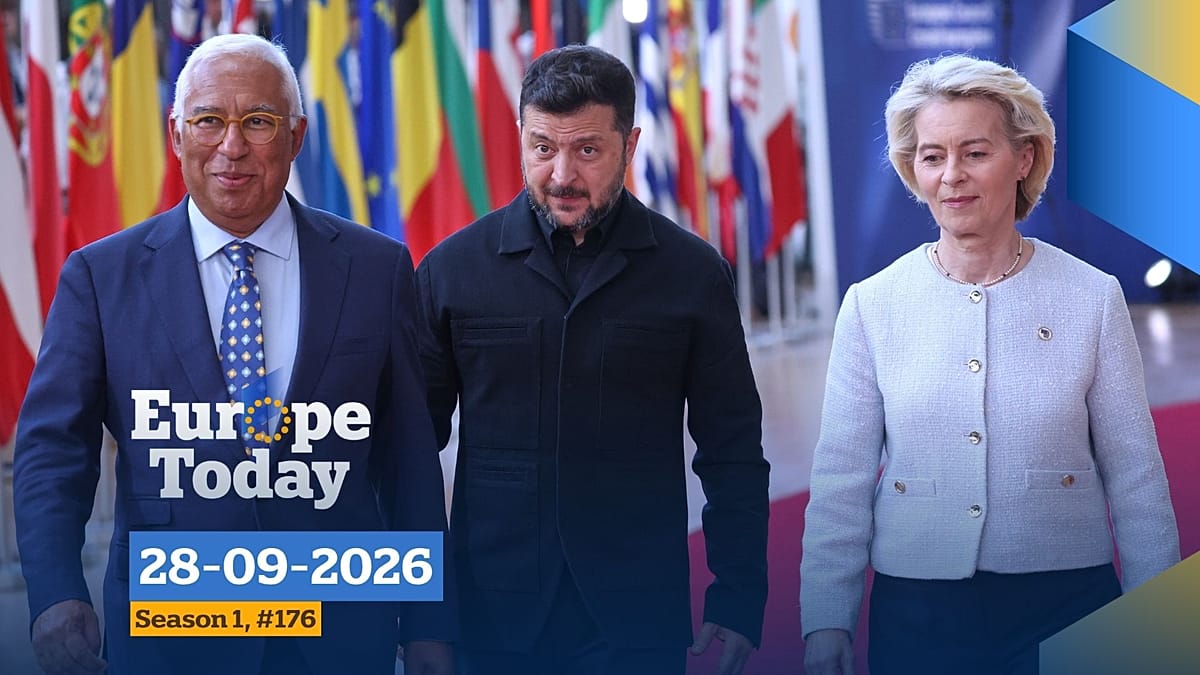
Brussels is hosting a pivotal meeting of EU foreign and defence ministers today, with Ukraine's mounting needs and Russia's shadow fleet at the top of the agenda. As Moscow escalates missile and drone strikes across Ukrainian cities, the bloc is under pressure to deliver more robust support while countering the covert oil trade that funds the Kremlin's war machine.
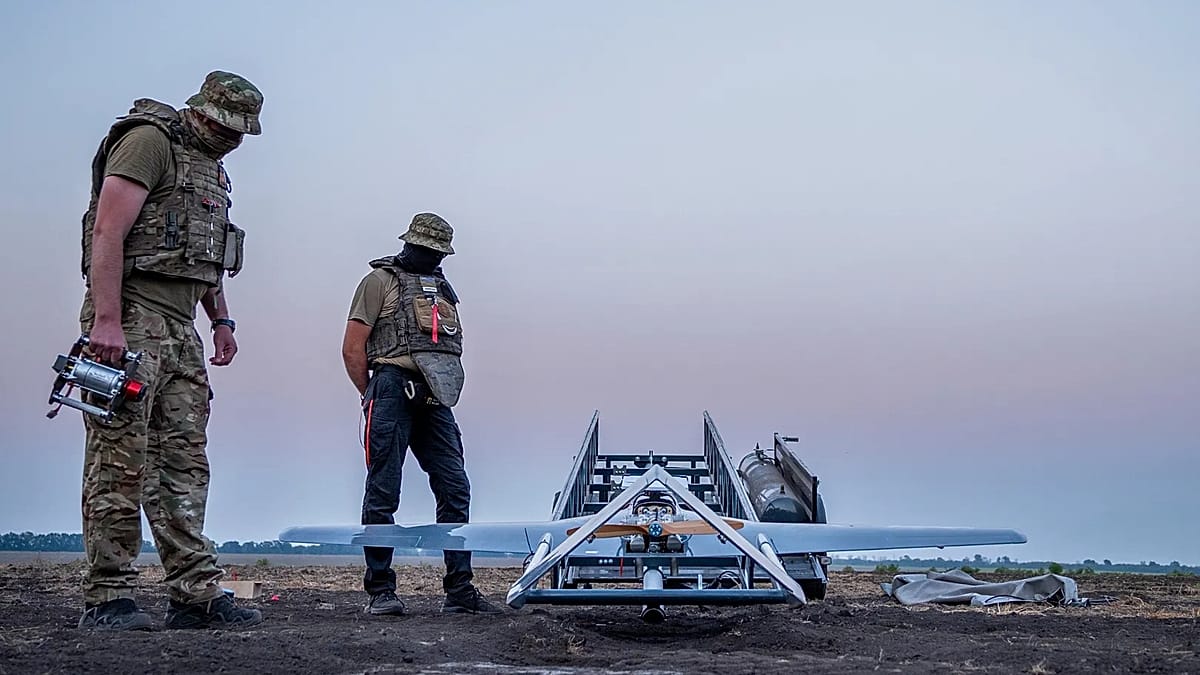
The talks come amid a fresh wave of aerial assaults that have stretched Ukraine's air defences and tested the endurance of millions of civilians. Sasha Vakulina, reporting from Kyiv, describes a rhythm of near-constant air-raid alerts, with families spending nights in shelters and day-to-day life increasingly disrupted. The urgency is palpable, and European capitals are weighing new commitments, from additional Patriot systems to joint procurement of ammunition.
Shadow fleet and sanctions enforcement
A central focus of the Brussels discussions is Russia's so-called shadow fleet—aging tankers that operate outside Western insurance and regulatory frameworks, shipping oil and refined products to buyers in Asia and elsewhere. EU officials are exploring legal and logistical measures to track and disrupt these vessels, which also pose environmental risks along European coastlines. The goal is to tighten the effectiveness of existing sanctions, which have so far failed to fully choke off Russian revenues.
Former Lithuanian foreign minister Gabrielius Landsbergis, interviewed on the sidelines, argued that Europe must move beyond symbolic gestures. "We need to be honest with ourselves: the shadow fleet is not a mystery. It is a known network of ships and ports. If we want to hurt the Russian war effort, we have to act on that knowledge," he said. Polish deputy defence minister Pawel Zalewski echoed the sentiment, stressing that NATO's eastern flank needs concrete reinforcements, not just statements of solidarity.
Trump rejects Iran's Hormuz overture
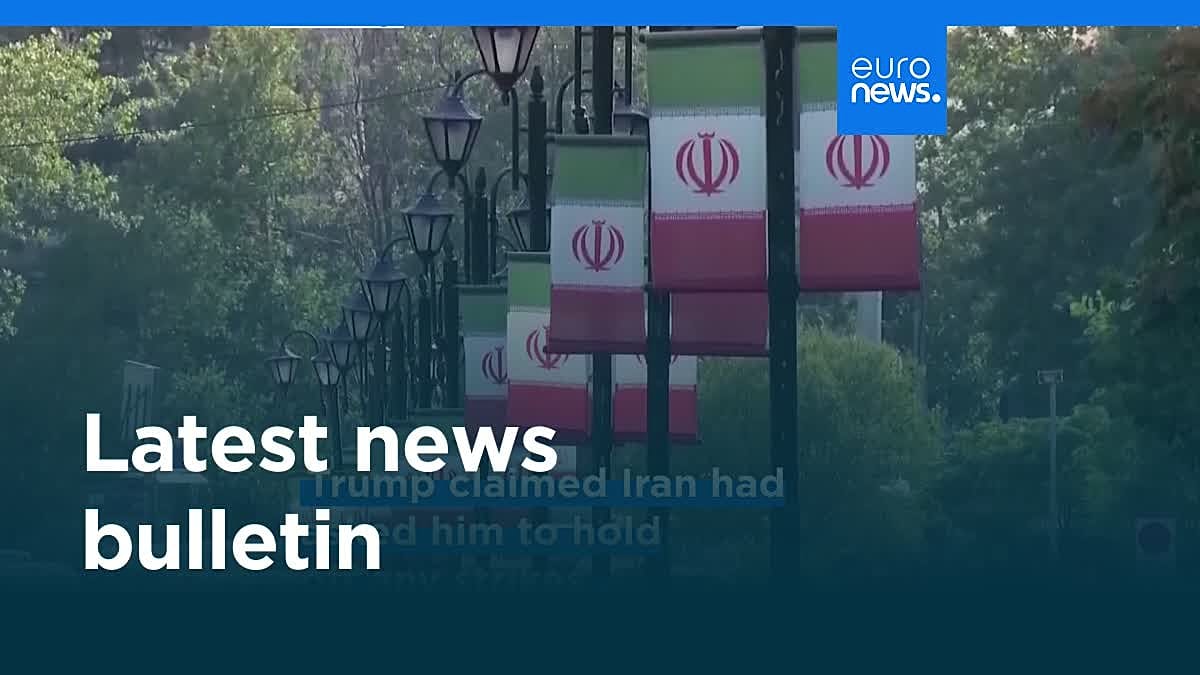
In parallel, the Middle East remains a flashpoint. US President Donald Trump has turned down an Iranian proposal to reopen the Strait of Hormuz, claiming that the United States is "winning tremendously" in its economic pressure campaign against Tehran. The decision has sent ripples through global energy markets, with oil prices climbing on supply fears. A senior Iranian general has warned Gulf neighbours that the strait will remain closed until what Tehran calls US economic warfare ends.
The standoff has direct implications for Europe, which relies heavily on Gulf oil and gas. Any prolonged closure of the strait would hit European consumers and industries hard, potentially reigniting inflation and complicating the bloc's energy transition. The EU has so far tread carefully, urging restraint on all sides while seeking to maintain diplomatic channels with both Washington and Tehran.
Pope Leo XIV concludes French visit
On a different note, Pope Leo XIV is wrapping up his visit to France with a final stop in Metz, in the Grand Est region. His trip has highlighted the complex interplay of faith, tradition, and secularism in a country where the Catholic Church's influence has waned but where thousands still flock to hear the pontiff's message. Estelle Nilsson-Julien reports from Paris that the Pope's addresses have resonated with both devout Catholics and those seeking a moral voice in turbulent times.
The visit has also underscored the Vatican's efforts to engage with contemporary European issues, from migration to climate change. In Metz, the Pope is expected to meet with local clergy and young people, offering a message of hope and reconciliation. His presence in France, a nation that formally separates church and state, has sparked debates about the role of religion in public life—debates that remain as lively as ever.
As Europe juggles these multiple crises, the need for coherent and decisive action has never been clearer. The EU's ability to support Ukraine, counter Russian evasion, and navigate Middle East turbulence will define its credibility on the world stage. Today's meetings in Brussels are a step, but as many officials privately admit, the real test lies in implementation.