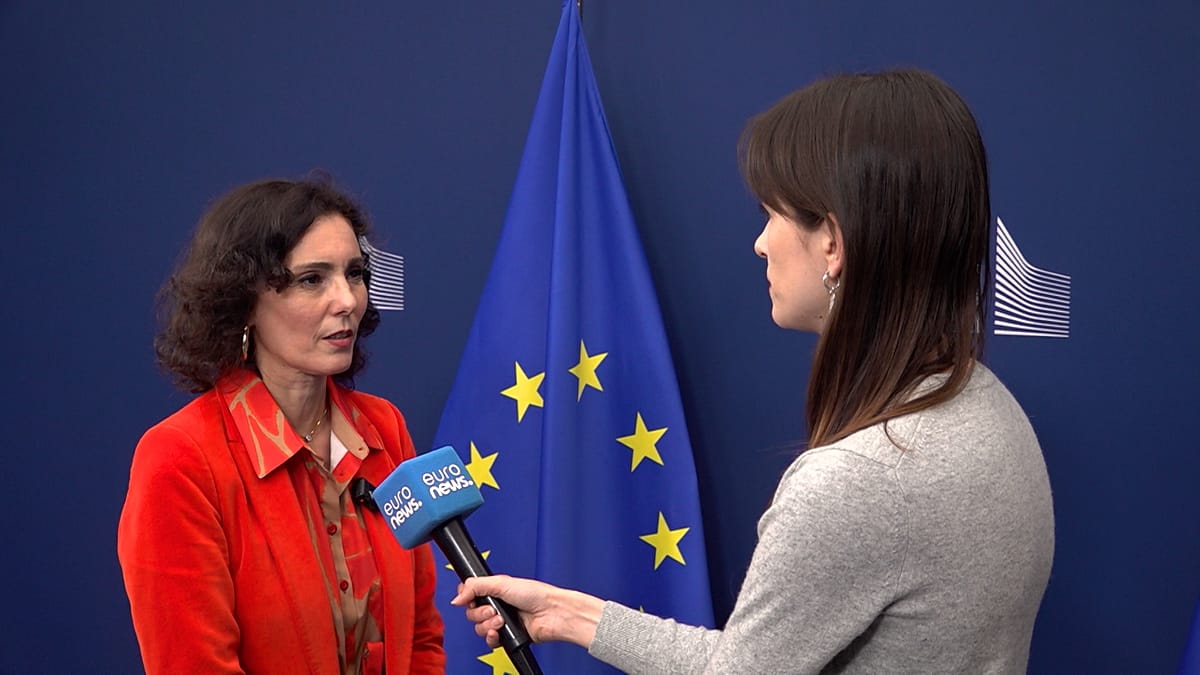
European Commissioner for Equality Hadja Lahbib has condemned LGBTQI+ conversion therapy as a form of 'torture' that inflicts lasting psychological harm, including depression and suicide. In exclusive remarks to Euronews' Europe Today programme, the Belgian commissioner stressed the urgency of combating these practices across the continent.
'We need really to react and to combat these practices,' Lahbib said, following the European Commission's presentation of a citizens' initiative signed by over one million people calling for a bloc-wide ban. Instead of a binding directive, the Commission will propose non-binding recommendations next year aimed at raising societal awareness, helping victims pursue legal action, and strengthening medical and psychological support.
Why Not a Binding Ban?
When asked why the executive branch had not gone further, Lahbib pointed to a lack of unanimity among the 27 member states. Article 19 of the EU treaties requires unanimous agreement to combat discrimination based on sex, racial or ethnic origin, religion, disability, age, or sexual orientation. This legal hurdle prevents the Commission from imposing a blanket prohibition.
'The European Commission is sending a very clear message without ambiguity to every member state in this union: ban conversion practices now,' Lahbib asserted. She added that 'member states have an essential role to play because this largely falls under their responsibility,' placing the onus on national capitals to act.
Currently, eight of the 27 member states—Belgium, Cyprus, France, Germany, Greece, Malta, Spain, and Portugal—have enacted bans. These laws vary in scope, with some imposing financial penalties and others prison sentences. Lahbib praised these countries, noting, 'They have shown it can be done. We are building on that momentum, calling on the rest to follow.'
The Commission's approach mirrors its broader strategy of using soft power to influence national policy, as seen in other areas like Brussels Urges EU States to Outlaw 'Barbaric' LGBTIQ+ Conversion Practices. Critics argue that non-binding recommendations lack teeth, but supporters see them as a necessary first step given the legal constraints.
Conversion therapy, which attempts to change a person's sexual orientation or gender identity, has been widely condemned by medical and human rights organizations. The World Health Organization has described it as harmful and ineffective. In Europe, the practice remains legal in many countries, often conducted under the guise of religious or therapeutic counseling.
Lahbib's comments come amid a broader push for LGBTQI+ rights across the continent. The European Parliament has repeatedly called for a ban, and civil society groups continue to campaign for legal protections. The issue also intersects with debates on mental health, as highlighted by Therapy Costs Across Europe: From Affordable France to Pricey Romania, which underscores disparities in access to psychological support.
While the Commission's recommendations are not binding, they carry political weight. Lahbib's unequivocal language—calling the practice 'barbaric' and 'shameful'—signals that Brussels expects progress. The ball now lies in the courts of national governments, where political will and legal frameworks will determine how quickly the remaining 19 member states act.