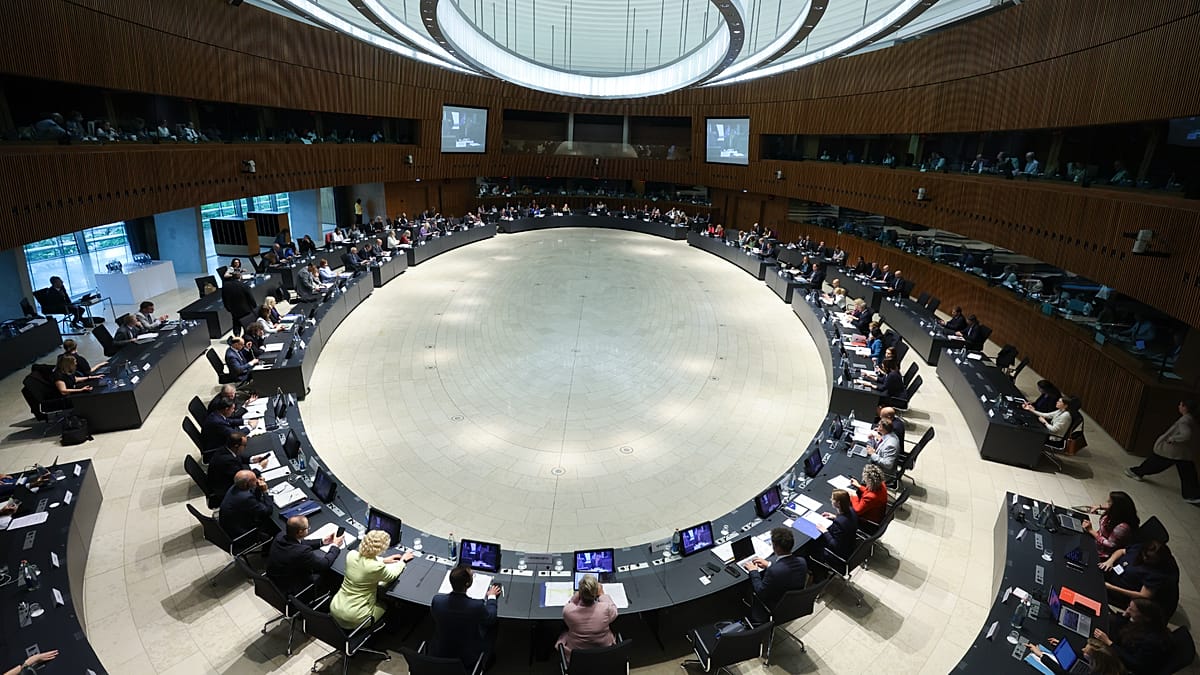
On 16 June, health ministers from the European Union's twenty-seven member states reached a common stance on a legislative package accompanying the broader Biotech Act — the so-called Biotech Act I directive. The agreement, brokered under the Cypriot presidency, aims to update two existing directives governing the use of genetically modified micro-organisms (GMMs) and the processing of organs for transplantation.
The move is part of a wider push to close the gap with biotechnology leaders such as the United States and China, where regulatory frameworks have allowed faster development and deployment of novel therapies and industrial applications. The directive seeks to make the EU's rules more innovation-friendly, reduce administrative burdens, and improve cross-border cooperation in organ transplantation.
Key Changes and Compromises
Among the most significant tweaks, ministers agreed to replace the European Commission's proposed term “low-risk GMMs” with “GMMs eligible for an expedited procedure.” This change, insisted upon by several member states, is intended to clarify that the classification does not imply lower safety standards but rather a streamlined approval pathway for organisms with a well-understood risk profile.
Another notable compromise caps the validity of indefinitely valid consent for placing a GMM on the market at a maximum of ten years. This provision balances the need for regulatory predictability with the possibility of periodic reassessment as scientific understanding evolves. The directive also includes language specifying that, in certain cases, the processing of personal data related to organ transplantation can be deemed to be in the public interest — a nod to concerns about data protection raised by several delegations.
Member states also granted themselves additional time to comply with updated organ transplantation rules, extending the transposition period from 24 to 36 months. This extension reflects the complexity of aligning national health systems with new EU-wide standards.
“Since the adoption of those directives significant progress in biotechnology has taken place,” said Neophytos Charalambides, Cyprus's health minister. “Updating the respective legislations is therefore not only … a logical consequence, but also an ethical imperative.”
Fault Lines Over Safety and Sovereignty
While the compromise secured broad support, the debate exposed a familiar tension in EU biotechnology policy: how to encourage innovation without weakening safety oversight. Several countries stressed the need to protect personal data, preserve national control over transplantation systems, and maintain strong ethical safeguards. These concerns echo those raised in earlier discussions on the Biotech Act's drug monopoly provisions, where ministers were split over extending intellectual property protections for advanced therapies.
The agreement among capitals paves the way for negotiations with the European Parliament, which will begin once the Parliament adopts its own negotiating position. Charalambides suggested that MEPs take into account the opinion of the European Data Protection Supervisor, published at the end of May, which “due to his late arrival, could not be fully taken into account” during the Council's deliberations.
As the Cypriot presidency draws to a close, Ireland will take over responsibility for steering the file through the next stage of talks with the Parliament. The Irish presidency is expected to face pressure from both industry groups, who want faster approvals, and civil society organizations, who demand robust oversight.
The directive is part of a broader legislative effort to revitalize Europe's biotech sector, which has lagged behind the US and China in areas such as gene editing, synthetic biology, and cell-based therapies. The updated rules are seen as a necessary step to create a more predictable and supportive environment for research and commercialization, though critics argue they do not go far enough to address the root causes of Europe's innovation deficit — including fragmented funding, risk-averse investors, and a shortage of skilled talent.