European Union member states have agreed to impose sanctions on six Russian nationals linked to the chemical substance suspected of killing Russian dissident Alexei Navalny while he was detained in a penal colony. The decision, reached on Friday, targets scientists and researchers involved in Russia's military chemical weapons programme, particularly those associated with the development of epibatidine.
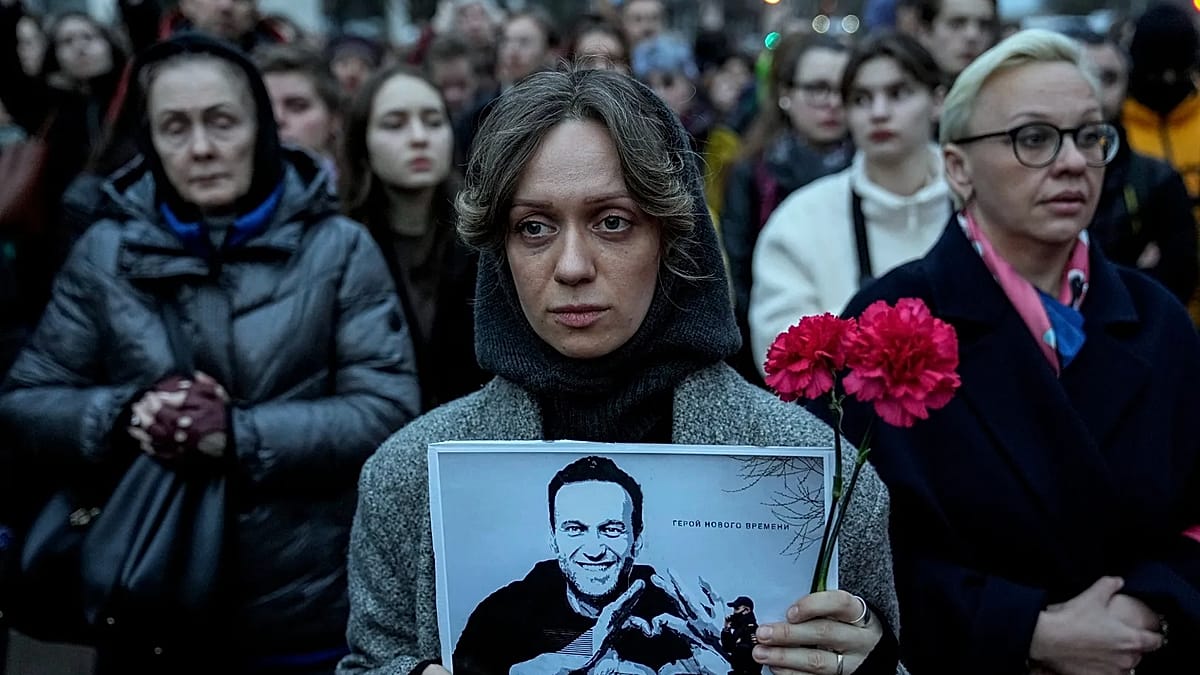
Traces of epibatidine were found on Navalny's body after his death in February 2024. Navalny, Russia's most prominent opposition leader and anti-corruption activist, had been arrested in 2021 on fraud charges after returning to Russia following a failed poisoning attempt in 2020. He was later sentenced to 19 years in jail and sent to an Arctic maximum security prison, where he was reported dead on 16 February 2024. European investigations have since concluded that his death resulted from chemical poisoning.
Sanctioned Individuals
The list of sanctioned individuals includes Igor Babkin, head of the Signal Scientific Centre, the laboratory considered responsible for synthesising epibatidine. Irina Derevyagina, a chemical research analyst at Russia's State Research Institute of Organic Chemistry and Technology, has also been sanctioned. She is regarded as a central figure in Russia's chemical weapons programme. Mikhail Gutsalyuk, head of the scientific department at the Military Academy of Radiological, Chemical and Biological Defence, is also on the list.
These sanctions impose asset freezes and EU-wide travel bans on the six individuals, marking a further step in the EU's response to the killing of Navalny. The move underscores the bloc's commitment to holding those responsible for human rights abuses accountable, even as tensions with Moscow remain high.
The EU's action comes amid broader efforts to counter Russian aggression, including new sanctions on Russian drone manufacturers following deadly strikes on Kyiv. The bloc has also been grappling with the fallout from the war in Ukraine, which has disrupted energy supplies and fueled inflation across Europe.
Navalny's death has drawn widespread condemnation from Western governments, with many calling for a thorough investigation. The EU's sanctions are seen as a direct response to the evidence linking the scientists to the chemical used in his assassination.
The decision was made by the Council of the European Union, which represents the 27 member states. The sanctions are part of a broader package of measures aimed at pressuring the Russian government over its actions in Ukraine and its treatment of political opponents.
As the EU continues to navigate its relationship with Russia, the sanctions serve as a reminder of the bloc's willingness to use economic and diplomatic tools to uphold international norms. The move also highlights the growing role of scientific expertise in modern warfare and the challenges of regulating chemical weapons in the 21st century.