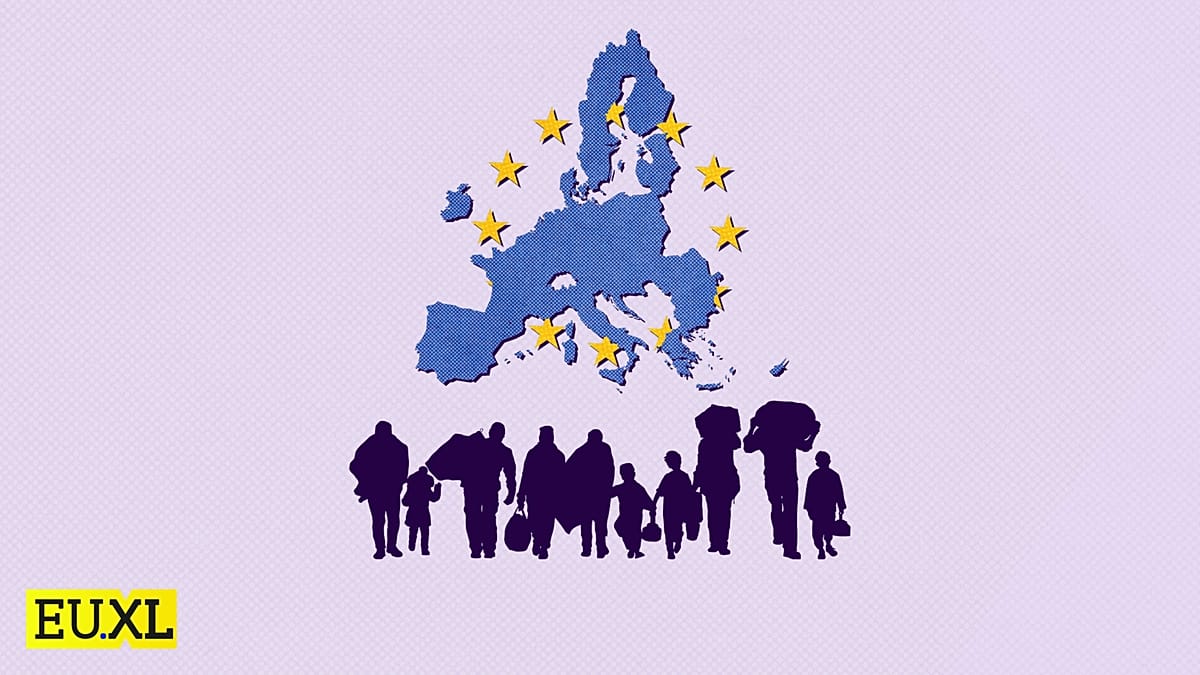
On Friday, June 12, the European Union's Pact on Migration and Asylum officially enters into force, marking the first time all 27 member states are bound by a unified set of rules covering border screening, asylum procedures, reception conditions, and a solidarity mechanism for relocating asylum seekers. The pact, signed into law two years ago, aims to replace the fragmented system that has long seen migrants face vastly different legal realities depending on whether they arrive in Athens, Berlin, or Warsaw.
Yet even before implementation, the gap between ambition and delivery is stark. The 2026 target for relocations was set at 21,000 individuals, but member states have collectively pledged fewer than half that number. Hungary and Slovakia have committed to zero. This reluctance underscores the persistent political divisions that the pact was designed to overcome.
New Return Regulation Adds Tough Measures
The pact is only one part of a broader legislative push. Brussels has also approved the Return Regulation, one of the toughest migration laws in decades. Currently, only 28 percent of migrants ordered to leave the EU comply voluntarily. The new rules introduce return hubs located outside the bloc, extend detention periods to two years, impose double-entry bans, and remove the suspensive effect of appeals—meaning that legal challenges no longer automatically halt deportation.
Over 250 civil society organisations have condemned the regulation, calling it a legitimisation of what they describe as "offshore prisons and child detention." Critics argue that the measures shift the burden of enforcement to non-EU countries and risk violating international human rights standards.
The implementation of these rules comes at a time when migration remains a politically charged issue across the continent. In a related development, US Defence Secretary Pete Hegseth used a D-Day speech to label migration an "invasion" of Europe, a comment that drew sharp reactions from European leaders. Read more about Hegseth's controversial remarks.
Enforcement Challenges Ahead
The pact's success hinges on member states' willingness to enforce its provisions. While the European Commission has emphasised that the rules are legally binding, enforcement mechanisms remain weak. The solidarity mechanism, for instance, allows countries to opt out of relocations by making financial contributions instead—a loophole that some capitals may exploit.
Meanwhile, the return hubs concept raises logistical and diplomatic questions. Which non-EU countries will host them? How will the EU ensure that returnees are treated humanely? These uncertainties have led many analysts to question whether the pact will deliver on its promises.
In a separate but related move, Swiss business and union leaders have united against a proposed immigration cap ahead of a national vote, arguing that it would harm the economy. Switzerland's immigration debate highlights the broader tensions across Europe between open borders and restrictive policies.
The European Commission has acknowledged that full implementation will take time. "This is a marathon, not a sprint," a spokesperson said. But with the 2024 European elections looming, migration is likely to remain a central battleground. The pact's enforcement—or lack thereof—could shape the political landscape for years to come.