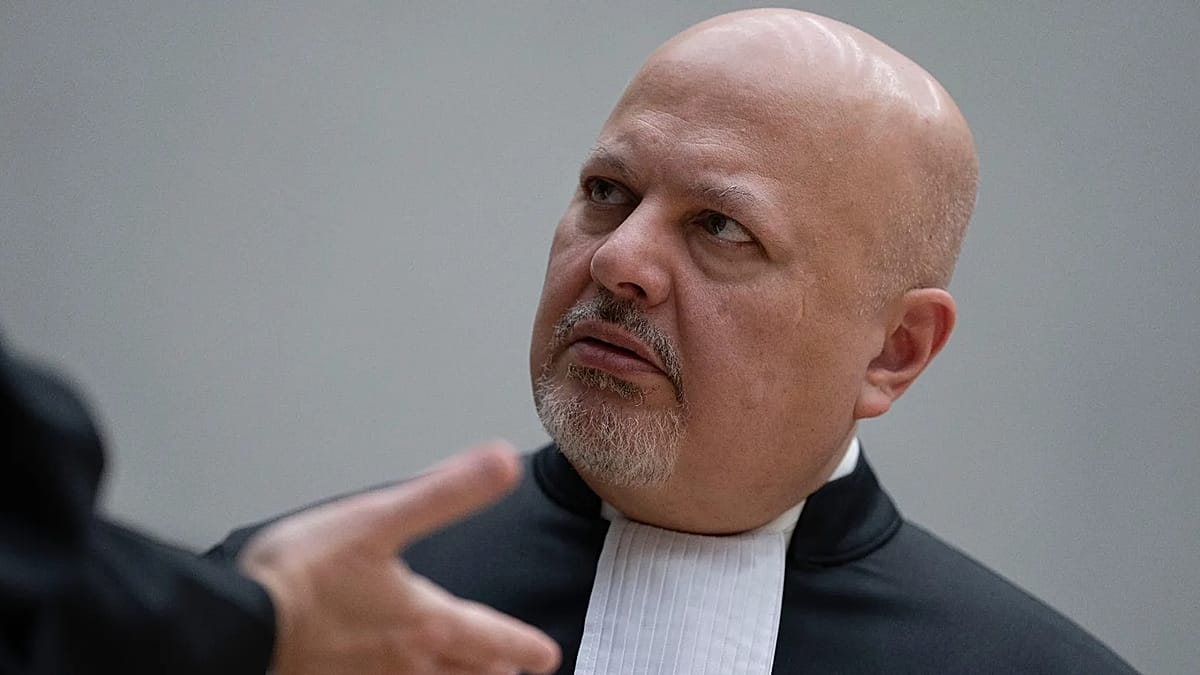
The International Criminal Court's assembly of 125 member states has voted by a significant majority to remove Chief Prosecutor Karim Khan from his position, following allegations of sexual misconduct that he has consistently denied. The decision, announced on [date], marks an unprecedented moment in the court's history, as no chief prosecutor has ever been removed before.
Khan, a British barrister who took office in 2021, was temporarily suspended in June after an internal report detailed accusations of serious misconduct. The report, which has not been publicly released, prompted an investigation by an independent oversight mechanism. The allegations, which Khan has strongly rejected, include claims of inappropriate behavior toward a female staff member. The vote by member states, held during a special session in The Hague, required a two-thirds majority and reportedly exceeded that threshold comfortably.
Implications for the ICC and International Justice
The removal of a chief prosecutor is a rare and consequential event for the ICC, which has faced criticism over its handling of internal governance and accountability. The court, established in 2002 to prosecute war crimes, crimes against humanity, and genocide, relies on the credibility of its leadership to maintain trust among member states and the broader international community. This episode could further strain relations with some nations, particularly in Africa and Asia, where the ICC has faced accusations of bias. The court's ongoing investigations, including those into situations in Ukraine, Palestine, and Sudan, may now face delays as a new prosecutor is appointed.
European Union member states, which collectively contribute a significant portion of the ICC's budget, have expressed concern about the impact on the court's work. The EU has long been a staunch supporter of the ICC, and this development may prompt discussions about budgetary constraints and institutional reforms within the bloc. The European Parliament has called for a transparent process to select Khan's successor, emphasizing the need for a candidate with unimpeachable integrity.
The allegations against Khan have also reignited debates about workplace culture and accountability in international organizations. The ICC has implemented new policies on harassment and misconduct in recent years, but critics argue that enforcement remains weak. The court's staff union has welcomed the removal, stating that it sends a clear message that misconduct will not be tolerated.
Khan's legal team has indicated that he may challenge the decision through internal appeals mechanisms, though the court's rules provide limited recourse. In a statement, Khan reiterated his innocence and expressed disappointment, calling the process flawed and politically motivated. The case has drawn comparisons to other high-profile misconduct allegations in international bodies, such as those at the World Health Organization and the United Nations.
The removal comes amid broader geopolitical tensions that affect the ICC's operations. The court has faced pressure from both the United States and Russia, which are not members, over its investigations into their actions. The EU's foreign policy chief, Kaja Kallas, has urged member states to remain united in supporting the ICC's independence, even as internal challenges persist. The situation also echoes recent controversies in European national courts, such as the resignation of Hungary's prosecutor general under political pressure, highlighting the fragility of judicial independence across the continent.
The ICC's next steps will be closely watched. An interim prosecutor is expected to be appointed soon, with a permanent replacement to be elected by member states in the coming months. The court's ability to continue its work without disruption will be a key test of its resilience. For now, the removal of Karim Khan stands as a stark reminder that even the highest offices in international justice are not immune to accountability.



