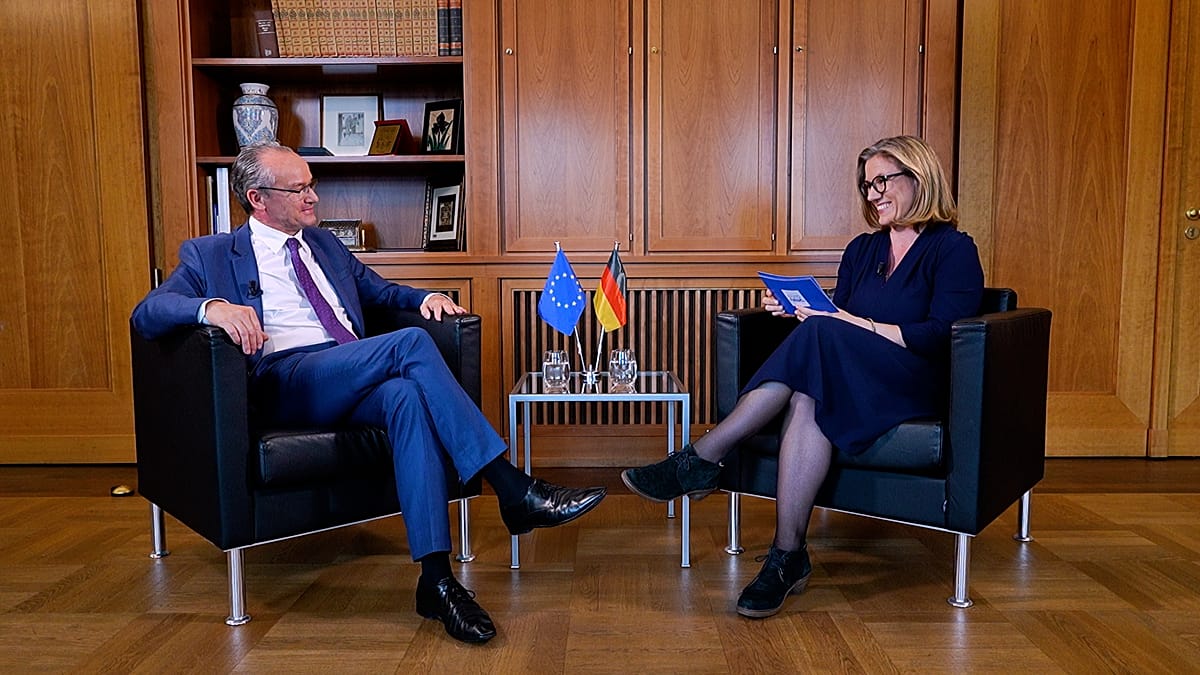
Gunther Krichbaum, Germany's Minister of State for Europe at the Federal Foreign Office, has delivered a sobering assessment of the European Union's fiscal room for manoeuvre as it pursues enlargement and a new multiannual budget. Speaking to European Pulse, the CDU politician stressed that while the bloc must accelerate its expansion, financial constraints are tightening.
Krichbaum aligns with Chancellor Friedrich Merz and French President Emmanuel Macron in advocating for a faster accession process for Ukraine, Moldova, and the six Western Balkan countries—Albania, Bosnia and Herzegovina, Kosovo, Montenegro, North Macedonia, and Serbia. Merz has proposed an associate membership status for these candidates, a model critics dismiss as a “waiting room” or second-class membership. Krichbaum rejects that characterisation, arguing it offers tangible benefits without immediate costs.
“Why should we not give these countries, which would then have the status of associated members, albeit without voting rights, the opportunity to take part in meetings of the European Parliament? It does not cost us a single euro or cent,” he said. He added that such a move would send a clear signal to China, Russia, and others: “These countries belong with us, to the European Union.”
A New Tiered System for Enlargement
Krichbaum is calling for a fundamental rethink of the accession process itself. He likens the current model to a “high jump competition” where candidates must clear a bar set at the acquis communautaire—the entire body of EU law. But that bar, he argues, has risen dramatically. “Over the past ten, twenty years all the legal rules have been tightened and new regulations have been added,” he said, citing consumer and environmental protection as examples. “We have to move away from this high jump competition.”
His alternative is a staircase or tiered system that would allow candidates to integrate gradually, with full membership as the ultimate goal. “The final destination, the terminus, is and will remain full membership of the European Union,” he emphasised.
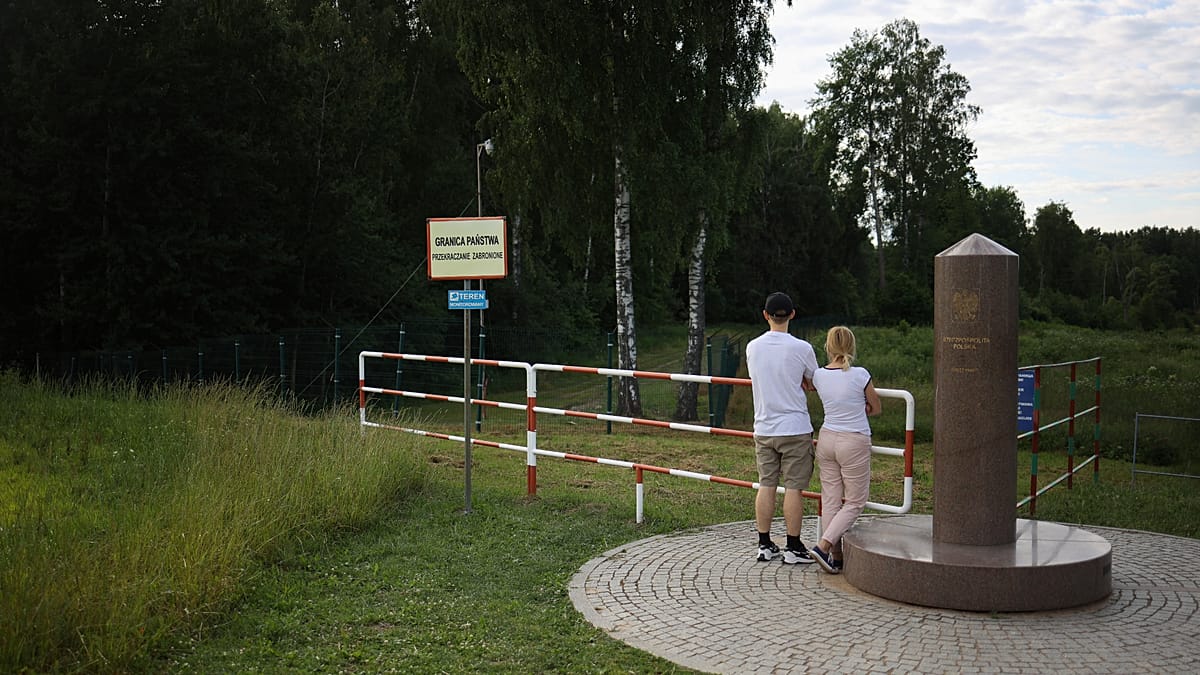
On the question of costs, Krichbaum believes the EU can manage enlargement within existing resources, noting that former recipient countries like Poland have become net contributors. “The Polish economy is booming,” he said.
Yet Germany’s own subdued growth forecast for 2026 underscores the broader fiscal pressures. Krichbaum acknowledged that “room for manoeuvre is limited,” a reality that will shape the upcoming negotiations on the multiannual financial framework for 2028–2034. The European Commission has proposed a spending ceiling of €1.7 trillion over seven years, but Berlin is pushing for a drastic cut of €400 billion.
Krichbaum is calling for a reordering of priorities. “If we were reinventing the European Union today and, theoretically, had a reset button we could press, we would not start with agricultural policy,” he said. “Without any doubt, that was the right decision in the second half of the last century. But today the focus is on issues such as security, defence, cyber security, but also of course space, artificial intelligence and competitiveness.” He suggests merging cohesion and agricultural policy into a single pillar, leaving member states to allocate funding within it.
The timeline is tight. Krichbaum hopes for an agreement before the end of the year, warning that delays could complicate matters further. “I hope so for many reasons, because we may still be able to forecast what will happen in the remainder of this year, 2026. But I cannot predict everything that will happen in 2027. And then reaching agreement could become even harder.”
As the EU navigates these twin challenges, the debate over enlargement and budget priorities is set to dominate European politics in the months ahead. For more on the region's evolving dynamics, see our coverage of Montenegro's EU accession and Iceland's EU talks.