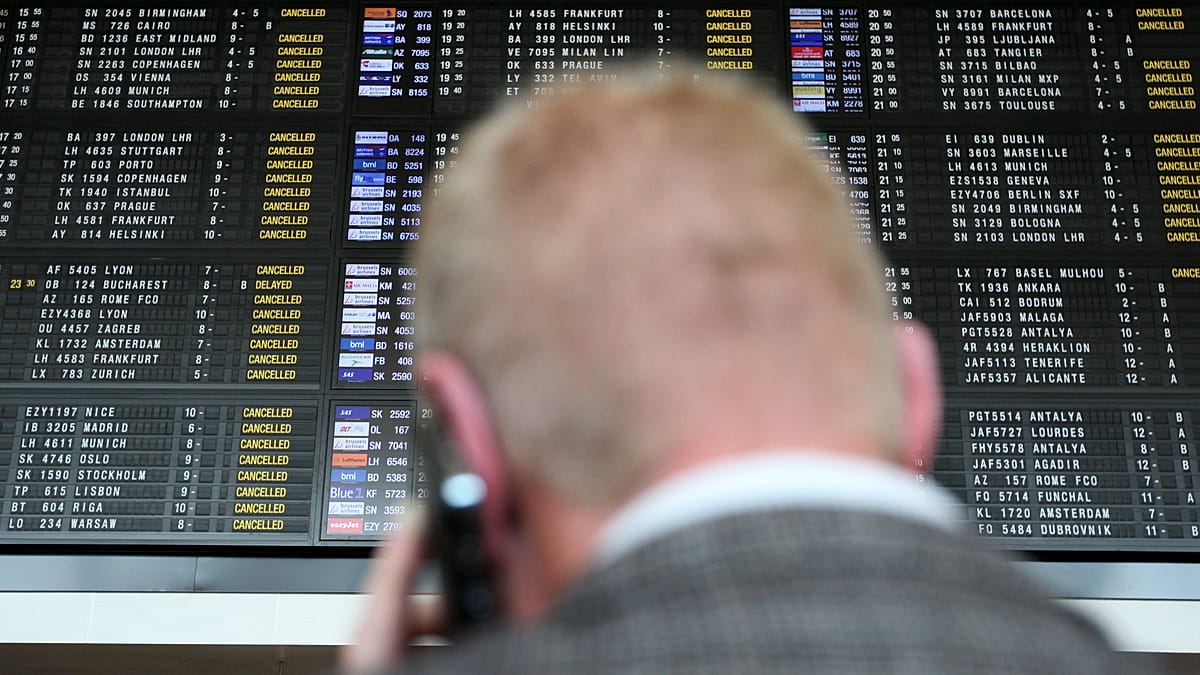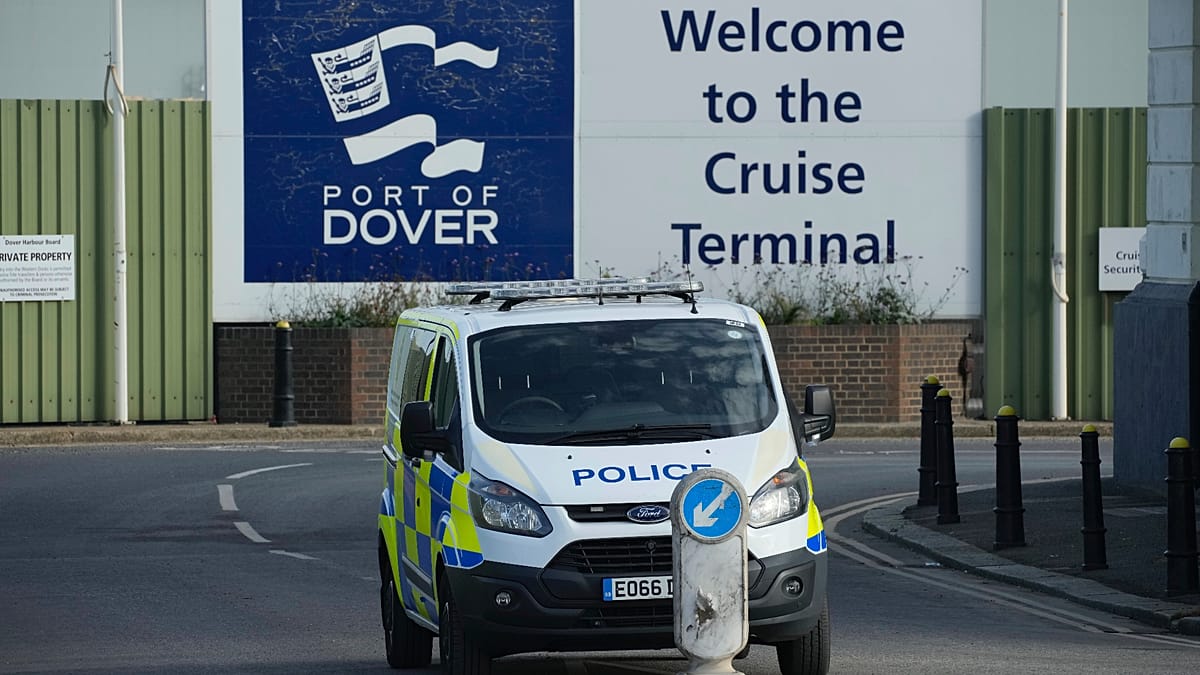
Dover, a key gateway for cross-Channel travel, was thrown into disarray on Saturday morning as dozens of masked men dressed in black descended on the town, prompting police to describe the situation as a "public order incident." The disruption affected all routes in and out of the port, causing significant delays for ferry passengers heading to and from mainland Europe.
The Port of Dover, which handles millions of passengers each year, issued a statement confirming that the incident was affecting all routes. P&O Ferries, a major operator on the Dover–Calais route, later reported that access had been "partially restored" but that services were still running with delays. Traffic was able to reach the port via the M2/A2, but the disruption had already caused a ripple effect on travel plans.
Video footage circulating on social media showed the protesters, many wearing balaclavas, hoods, and hats, gathering in the Kent town and chanting. The demonstration was shared by Tommy Robinson, a far-right anti-immigration activist, on his X account. In a post, he wrote: "British patriots send a warning shot to the establishment in Dover this morning. Patriots can organise and gather huge numbers without the need for social media. Watch this grow. We want our country back."
The protest drew sharp criticism from Mike Tapp, the Labour MP for Dover and Deal, who took to X to condemn the action. "Dover Park Run cancelled, port access disrupted, the lives of residents made more difficult," he wrote. "I am fed up with idiots coming to Dover to cause disruption. I bet if you asked any one of those 'protesters' they wouldn’t know small boat crossing are down by 40%," he added, referring to the recent decline in migrant Channel crossings.
Impact on cross-Channel travel
The disruption at Dover comes at a time when cross-Channel travel is already under scrutiny. The port is a vital link for both passenger and freight traffic between the UK and France, and any significant disruption can have knock-on effects on trade and tourism. The incident also highlights the ongoing tensions around immigration and border security, which remain contentious issues in British politics.
While the protest was relatively small in scale, its impact was felt widely. Ferry operators advised passengers to check for updates before travelling, and some services were delayed by several hours. The police have not yet confirmed whether any arrests were made, but they have stated that they are monitoring the situation.
The protest in Dover is not an isolated event. Across Europe, anti-immigration groups have been increasingly vocal, and similar demonstrations have occurred in other border towns. The situation in Ceuta, where anti-migrant protesters clashed with police, is a recent example of how such tensions can escalate.
For the UK, the issue of small boat crossings has been a major political flashpoint. Despite a reported 40% decrease in crossings, the government has faced criticism over its handling of asylum seekers. The protest in Dover, however, was widely condemned by local politicians and community leaders, who argued that it only served to disrupt the lives of ordinary people.
As the situation at the port returns to normal, questions remain about the motivations and organisation behind such protests. The use of masks and the coordinated nature of the demonstration suggest a level of planning that goes beyond spontaneous action. For now, the focus is on restoring services and ensuring that Dover remains a functioning gateway for travellers.
The incident also raises broader questions about the future of cross-Channel travel. With passport rule changes set to reshape ferry travel between Britain and Ireland from September, and discussions about increasing rail services to Europe, the resilience of transport links is under scrutiny. While the protest was a temporary disruption, it underscored the fragility of these vital connections.