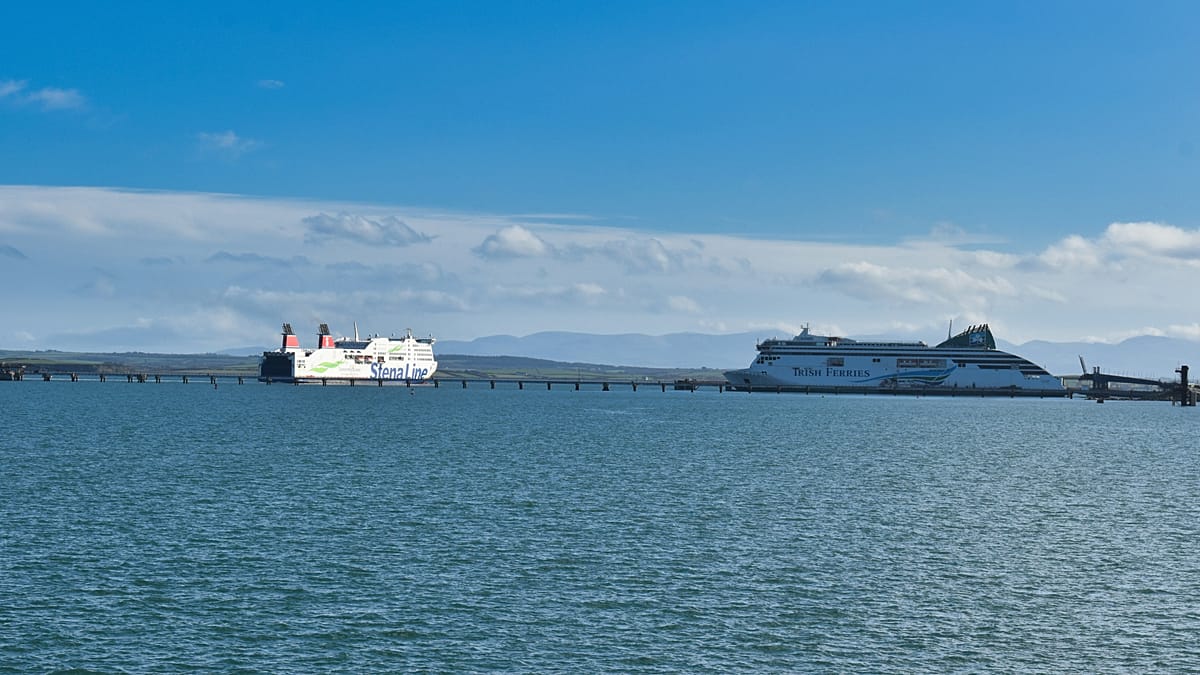
Travellers planning ferry journeys between Great Britain and Ireland will need to check their passports before heading to the port. From 28 September 2026, several key routes will enforce stricter identity checks, requiring a valid passport for boarding.
The change, announced by the UK Border Force and ferry operators Stena Line and Irish Ferries, aims to improve the "accuracy and integrity of passenger data before boarding." It brings sea travel in line with rules already applied by airlines on the same routes.
Until now, passengers have often been able to travel with other forms of photo identification, such as driving licences or national ID cards. That flexibility will end on the affected services.
Which routes are affected?
Stena Line, which operates crossings from Holyhead to Dublin and Fishguard to Rosslare, will require all passengers to present a passport from the end of next month. The company said it is notifying customers with existing bookings to ensure they are fully supported during the transition.
However, Stena Line services via Belfast, Liverpool, Cairnryan, or Heysham will continue to allow travel without a passport for now. Irish Ferries, by contrast, will require valid passports on all its routes between the Republic of Ireland and Britain.
Notably, there are no passport checks between the Republic of Ireland and Northern Ireland, reflecting the unique status of the island.
The move follows a similar enforcement by airlines. In February, Aer Lingus joined Ryanair in requiring passports for passengers travelling between Great Britain and Ireland.
Legally, Irish and British citizens do not need passports to travel between the two nations under the Common Travel Area, an agreement in place for over a century that also covers the Isle of Man and the Channel Islands. The new ferry measures, however, introduce a practical requirement that goes beyond the legal minimum.
For frequent travellers, the change adds a layer of bureaucracy to a route that has long been known for its flexibility. It also raises questions about the future of the Common Travel Area as security protocols tighten across Europe.
Passengers are advised to verify their passport's validity well in advance, as many countries now require at least six months' validity for international travel. While the UK and Ireland do not impose this rule on each other's citizens, the new ferry checks may still cause delays for those without proper documentation.
The shift comes amid broader discussions about border security and data sharing in the region. As Ireland's infrastructure faces new pressures, the ferry industry is adapting to a more regulated environment.
For those planning trips, the message is clear: check your passport before you set off. The days of relying on a driving licence or an expired passport are ending on the Irish Sea.