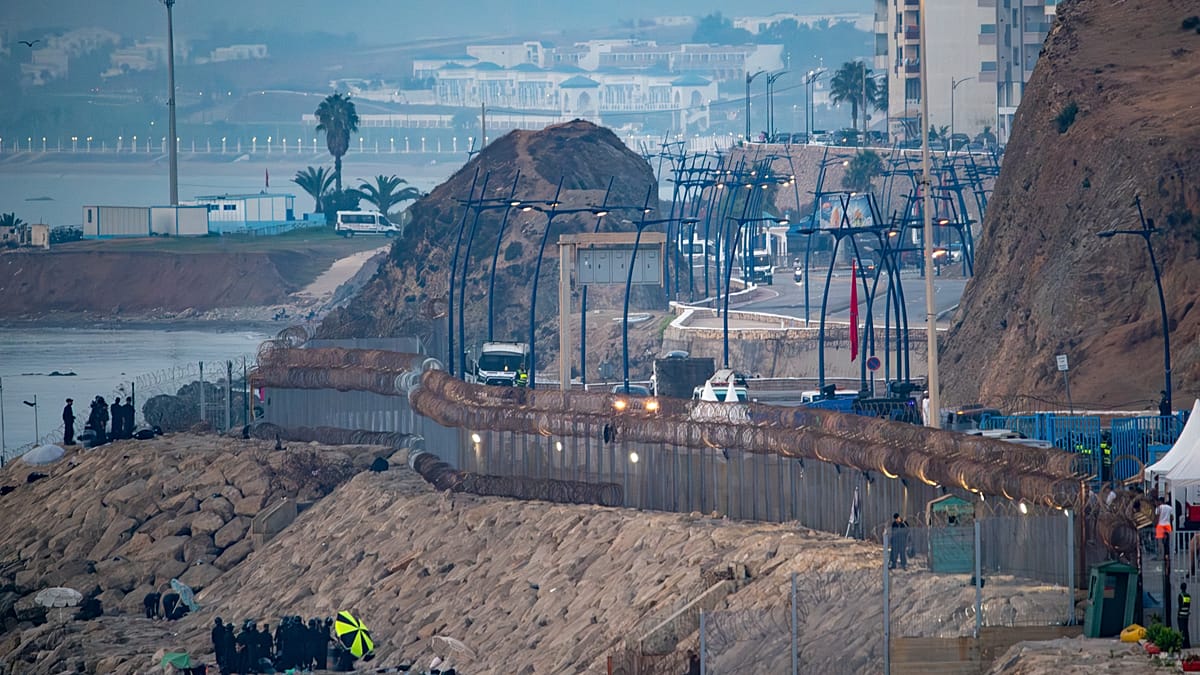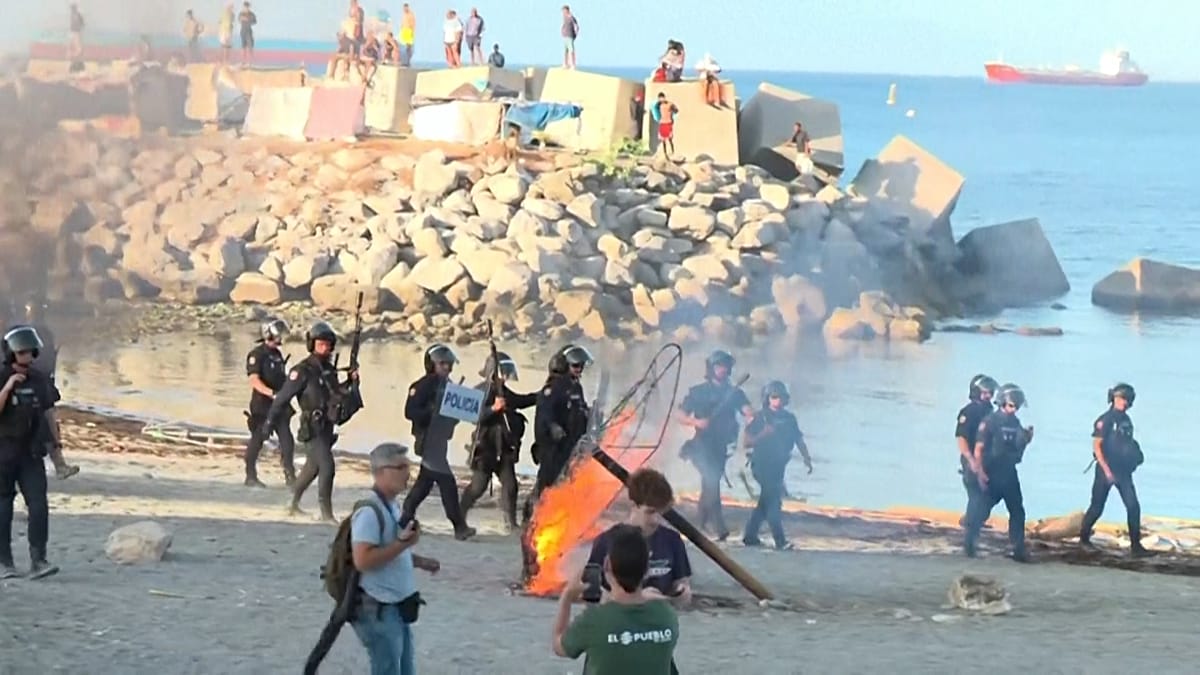
On 27 August, the Spanish North African enclave of Ceuta saw violent confrontations between police and protesters who oppose the presence of thousands of migrants in the territory. The clashes mark a significant escalation in a standoff that has been building for days, as local residents and far-right groups demand immediate action from Madrid.
Background of the crisis
Ceuta, along with its sister enclave Melilla, has long been a focal point for migration into Europe. The latest surge in arrivals has overwhelmed local reception facilities and sparked anger among some residents who feel their city is being left to cope alone. The Spanish government has deployed additional police forces, but the situation remains volatile.
Protesters, some of whom were seen throwing objects at officers, accuse the authorities of failing to control the borders. Police responded with batons and rubber bullets, according to eyewitness reports. The unrest continued into the night, with barricades set alight in several neighbourhoods.
This is not the first time Ceuta has been the scene of such tensions. In May 2021, thousands of migrants crossed into the enclave from Morocco in a single day, prompting a diplomatic crisis between Madrid and Rabat. That episode left deep scars and exposed the fragility of Spain's southern border.
The current clashes come amid a broader European debate on migration policy. While Brussels has pushed for a more coordinated approach, member states remain divided over how to share responsibility. The situation in Ceuta is a stark reminder of the pressures faced by frontline countries like Spain, Italy, and Greece.
Local authorities have called for calm, but the anger on the streets is palpable. Many residents feel that the central government in Madrid is not doing enough to address their concerns. They point to the lack of adequate housing, sanitation, and security as evidence of neglect.
Meanwhile, humanitarian organisations have warned that the migrants themselves are at risk. Many are living in overcrowded conditions, with limited access to food and medical care. The Red Cross has been providing assistance, but its workers have faced hostility from some locals, as reported earlier.
The Spanish government has announced plans to increase deportations and strengthen border controls, but critics argue that such measures are insufficient and fail to address the root causes of migration. They call for more legal pathways and better cooperation with countries of origin and transit.
The unrest in Ceuta also has a wider European dimension. It comes as the EU struggles to agree on a common asylum and migration pact. The bloc's interior ministers have been locked in negotiations for months, but a breakthrough remains elusive. The situation in Ceuta could add urgency to those talks, though it may also harden positions.
For now, the streets of Ceuta remain tense. Police have cordoned off the main square, and additional reinforcements are being sent from the mainland. The government has urged restraint on all sides, but with emotions running high, further clashes cannot be ruled out.
As Europe watches, the question is whether this latest crisis will prompt a more humane and effective response—or simply deepen the divisions that have long plagued the continent's migration debate.