Greek authorities have confirmed the rescue of a 44-year-old woman who spent roughly 20 hours adrift in the Ionian Sea after jumping from a cruise ship. The woman, a Salvadoran national, was found conscious and clinging to a lifebuoy by a cargo vessel that had joined the search effort.
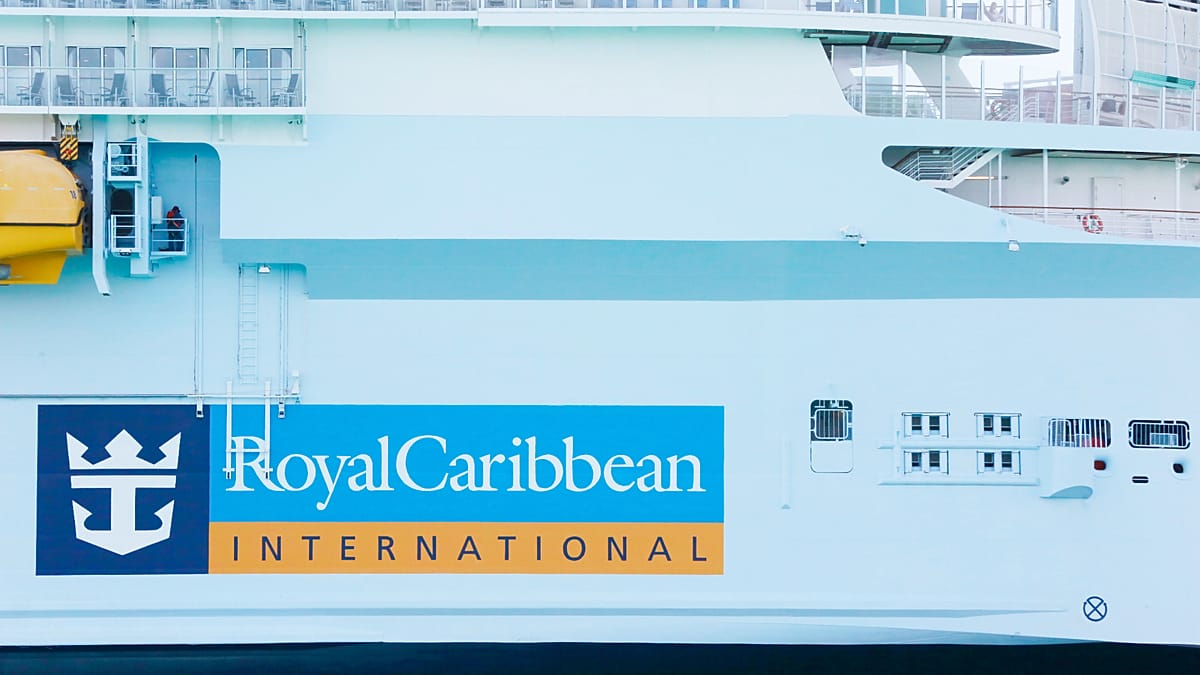
The incident unfolded on Friday morning, when the Royal Caribbean vessel Odyssey of the Seas was sailing southwest of the Greek island of Zakynthos. According to a statement from the Hellenic Coast Guard, the woman told officials she jumped overboard because she “wanted to disembark.”
Search operations were launched immediately after the ship reported the passenger missing. In the early hours of the following day, the cargo ship MSC Rossella III, which flies the flag of Madeira and had volunteered to assist, spotted the woman inside an overturned circular lifebuoy. She was still conscious at that point, the coast guard said.
A dedicated search-and-rescue vessel then recovered her from the water. She received first aid on board before being transferred to a hospital for further evaluation. The coast guard did not disclose her current condition, but the fact that she was conscious after such a prolonged ordeal suggests she was in a relatively stable state.
An unusual case of survival
Surviving 20 hours in the open sea is remarkable, even in the relatively warm waters of the Ionian in late spring. Hypothermia, dehydration, and exhaustion are constant threats, and the psychological toll of being alone at night can be severe. The woman’s ability to stay afloat and alert enough to be spotted is a testament to her physical resilience and the effectiveness of the lifebuoy she managed to reach.
The coast guard’s statement praised the coordination between the cruise line, the cargo ship, and Greek rescue teams. It also highlighted the importance of the lifebuoy, which was initially located during the search and later proved to be the woman’s lifeline.
This incident is a reminder of the risks that can arise even on routine cruise itineraries. While such events are rare, they underscore the need for vigilance and swift response. The Odyssey of the Seas continued its voyage after the rescue, but the episode has raised questions about passenger safety protocols, particularly regarding individuals who may be experiencing distress.
For Greece, which has been at the forefront of maritime search-and-rescue operations in the Mediterranean, this case adds to a long list of complex rescues. The country’s coast guard has dealt with far larger emergencies, including the ongoing migrant crisis, but every successful operation reinforces the importance of international cooperation at sea.
The woman’s nationality and her reason for jumping have drawn attention, but authorities have not released further details about her mental state or whether she will face any charges. Cruise ship passengers who deliberately jump overboard are sometimes subject to legal consequences, but in this case, the priority was clearly her safety and recovery.
As the woman recovers in a Greek hospital, her story serves as a stark reminder of the unpredictability of the sea and the thin line between life and death. The quick thinking of the MSC Rossella III crew and the professionalism of the Greek coast guard undoubtedly saved her life.
This rescue also highlights the broader role that commercial vessels play in maritime emergencies. The MSC Rossella III, a cargo ship not designed for passenger rescue, nonetheless became a crucial part of the operation, demonstrating that in the vastness of the sea, every ship can be a lifeline.