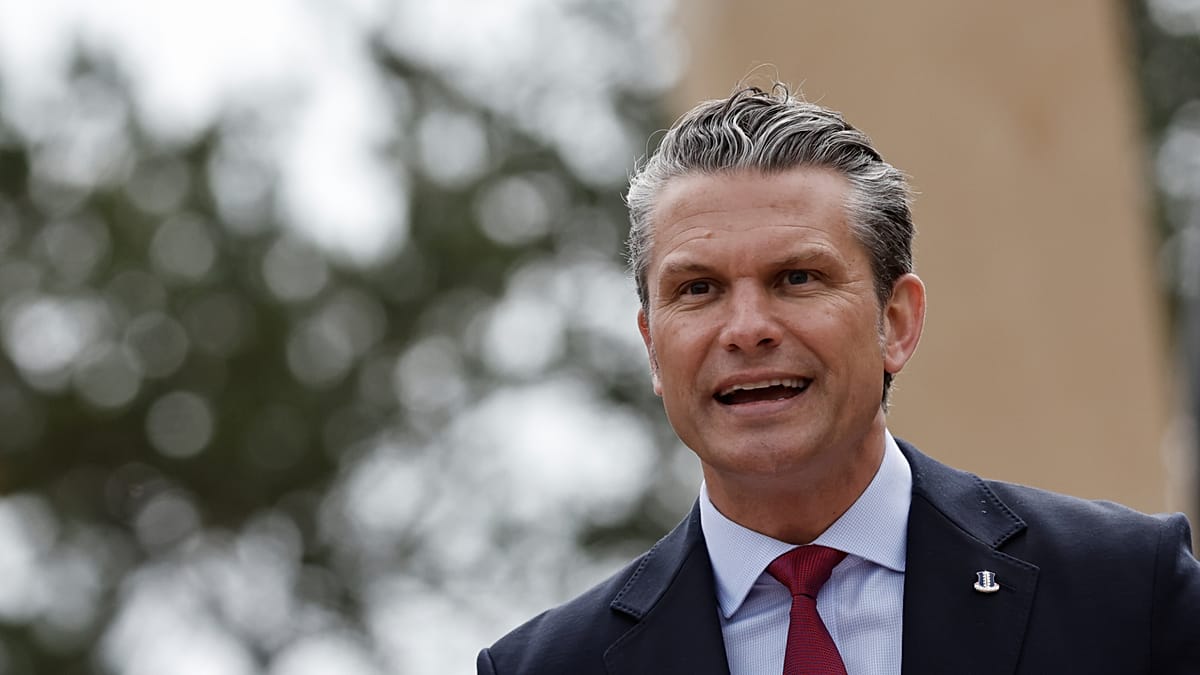
Speaking at the American cemetery in Colleville-sur-Mer on the 82nd anniversary of the D-Day landings, US Defence Secretary Pete Hegseth sparked controversy by framing irregular migration as an 'invasion' of Europe. His remarks, delivered at a site commemorating the largest amphibious assault in history, drew sharp reactions across the continent.
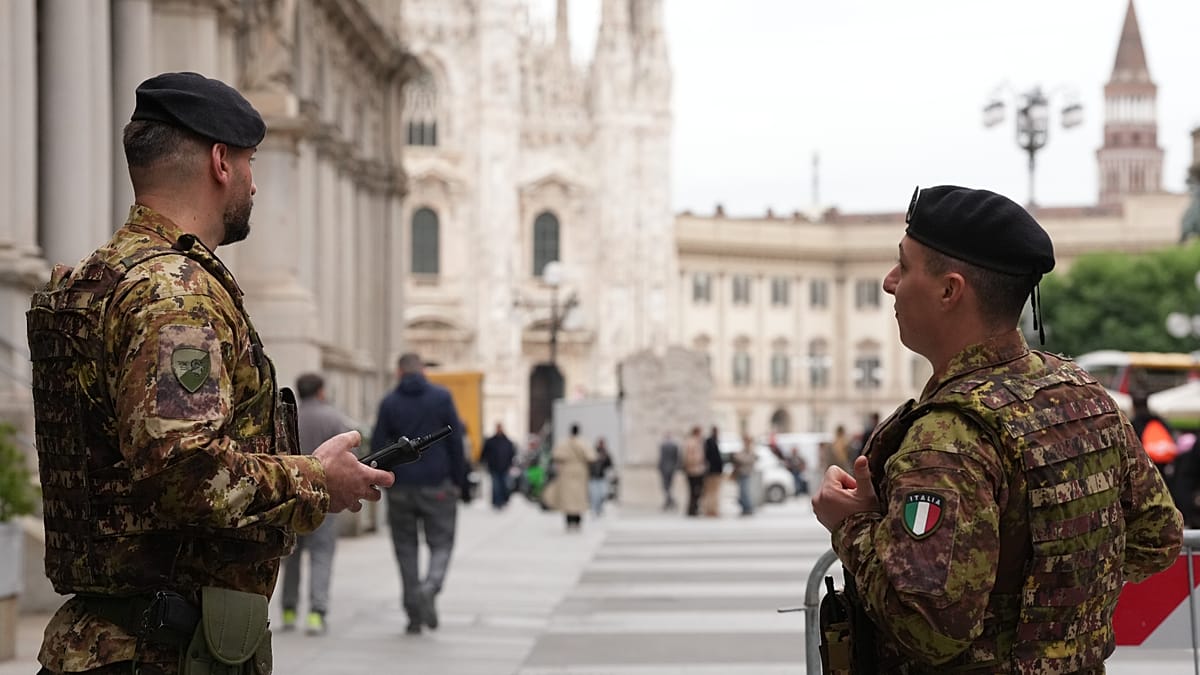
Hegseth told the audience that 'different European beaches are stormed by different dangerous ideologies,' before listing countries on the front line of migration flows: 'Beaches in Spain and Italy and Greece and Bulgaria. Boats and men arrive.' He then posed a pointed question: 'When will European capitals do something about that invasion? Or is it too late?' Adding, 'I pray not, and I believe not.'
The US defence chief did not explicitly mention immigration, but his language echoed the broader Trump administration's criticism of European migration policies. In September, President Donald Trump told European leaders at the United Nations that 'your countries are being ruined' by migration. The speech also comes amid ongoing tensions over border controls within the EU, with Germany defying EU calls to end internal border checks, citing migration management.
Transatlantic Defence Demands
Beyond migration, Hegseth used the D-Day commemoration to press for stronger transatlantic defence cooperation. He argued that peace depends on sustained military strength on both sides of the Atlantic, urging European allies to step up their contributions. 'The men buried here fought in a war-fighting alliance where every partner... brought its full measure of industry, courage and sacrifice,' he said. He contrasted this with 'empty slogans, not lavish summits, not communiques. Real allies doing real things, taking real losses for a shared cause worth fighting and dying for.'
His call for increased European defence spending aligns with recent warnings from other Western leaders. UK Prime Minister Keir Starmer recently warned that Russia could attack NATO by 2030 and pledged a UK defence spending hike. Hegseth's remarks also come as European governments explore alternatives to US defence contractors, such as seeking alternatives to Palantir for security technology.
Hegseth did not attend the main international D-Day commemorations later in the day, a decision that some observers interpreted as a deliberate distancing from the more diplomatic aspects of the event.
European Reactions and Context
The Normandy landings on 6 June 1944 remain a pivotal moment in the defeat of Nazi Germany, and the anniversary is traditionally a moment for unity among Western allies. Hegseth's framing of migration as an 'invasion' has been criticised by some European politicians and analysts as inflammatory and historically insensitive. The term 'invasion' is often used by anti-immigration groups and has been linked to misleading videos that exploit violence to push anti-immigration agendas.
European Union officials have repeatedly called for a balanced approach to migration, combining border security with humanitarian obligations. The European Commission has proposed reforms to the bloc's asylum system, but member states remain divided. Southern European countries like Italy, Greece, and Spain, which Hegseth specifically named, have long called for more solidarity from northern EU states in managing arrivals across the Mediterranean.
Hegseth's speech underscores a growing transatlantic rift over how to address migration, with the US administration adopting increasingly confrontational language. For European capitals, the challenge is to respond to US pressure without abandoning the principles of the Schengen Area and the EU's legal framework on asylum.