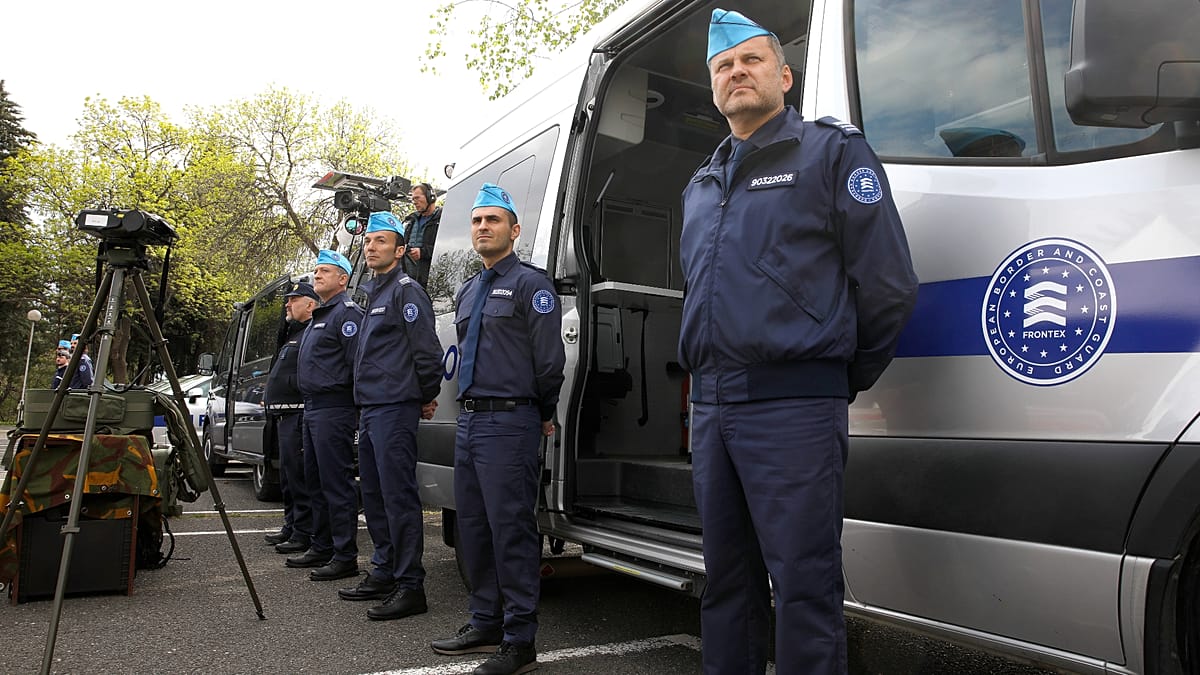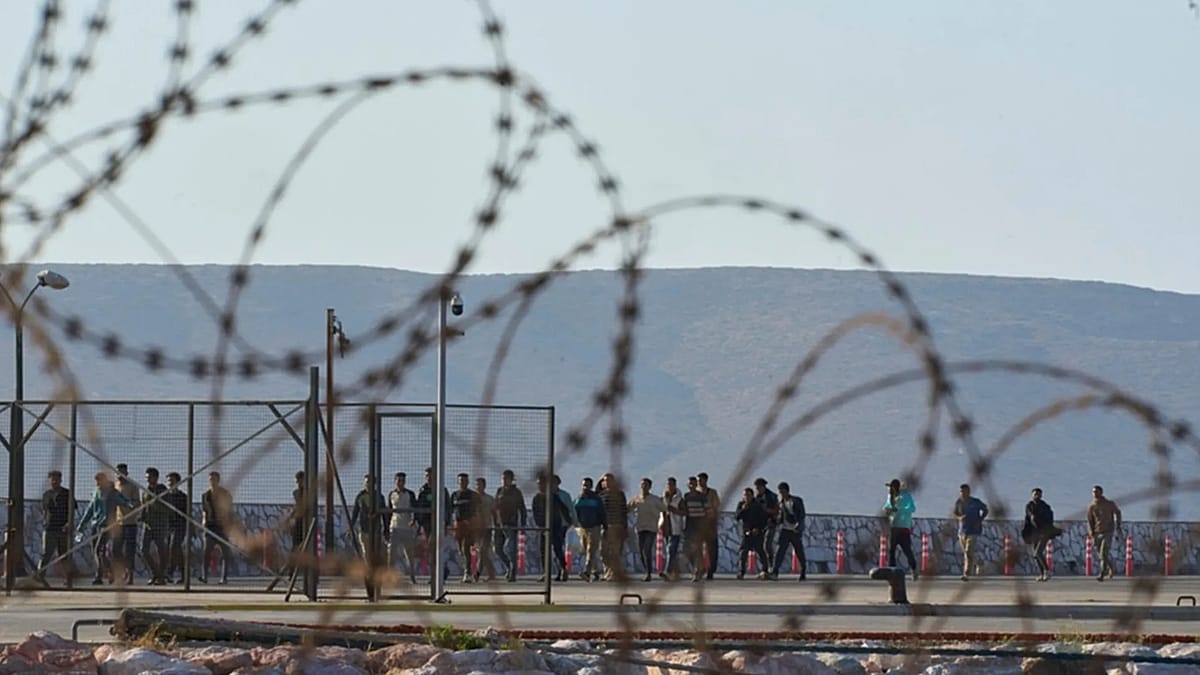
After months of political negotiations, the European Union's sweeping reform of migration and asylum rules takes effect on Friday, marking the most significant overhaul of the bloc's border procedures in years. Magnus Brunner, the EU's migration commissioner, described the package as a comprehensive European system that gives member states greater control over their frontiers.
Key Changes Under the New Rules
The reform introduces mandatory identity and security checks for all irregular arrivals within seven days. Migrants will have their faces and fingerprints scanned and stored in a centralised biometric database. This screening determines whether an individual enters an accelerated asylum process or faces immediate return to their country of origin or transit.
Fast-track procedures will apply to asylum seekers deemed a security risk or those from countries with low recognition rates—such as Morocco and Bangladesh, where at least 80% of applications are rejected. Their cases will be processed within 12 weeks at centres near the EU's external borders, including land frontiers, ports, and airports. Standard procedures remain for other applicants.
A central pillar of the pact is a solidarity mechanism designed to relieve pressure on frontline states like Italy, Greece, and Malta, which receive the majority of sea and land arrivals. Under the new system, all member states must either accept a quota of relocated asylum seekers—at least 30,000 per year—or pay €20,000 per person into a fund for countries under strain. However, implementation has already proven contentious; a first round of relocations last year saw several governments refuse to participate, as reported by European Pulse.
Contingency Plans and Criticism
The package also includes an emergency protocol for sudden migration surges, similar to the 2015–2016 crisis when over two million people entered the bloc. In such situations, member states can reduce asylum protections, extend detention periods at border centres, and apply the rules to cases of “instrumentalisation”—a term used against Belarus and Russia, which EU neighbours accuse of pushing migrants across borders to destabilise the union.
Human rights organisations have voiced strong objections. They argue that the new rules will effectively detain most migrants, including children, for the duration of their processing. The accelerated decision-making, they warn, increases the likelihood of prolonged detention and undermines fair hearings. The Pope has also criticised the hardening rhetoric surrounding the pact.
Implementation remains uneven. A dozen member states have yet to complete the necessary infrastructure for the new screening procedures, and several have encountered technical problems with the biometric database. Public opinion across the continent has grown more hostile to migration since the reforms were adopted, pushing EU capitals to demand further action. A new legislative package aimed at boosting deportations of failed asylum seekers is now moving rapidly through the EU's legislative process.