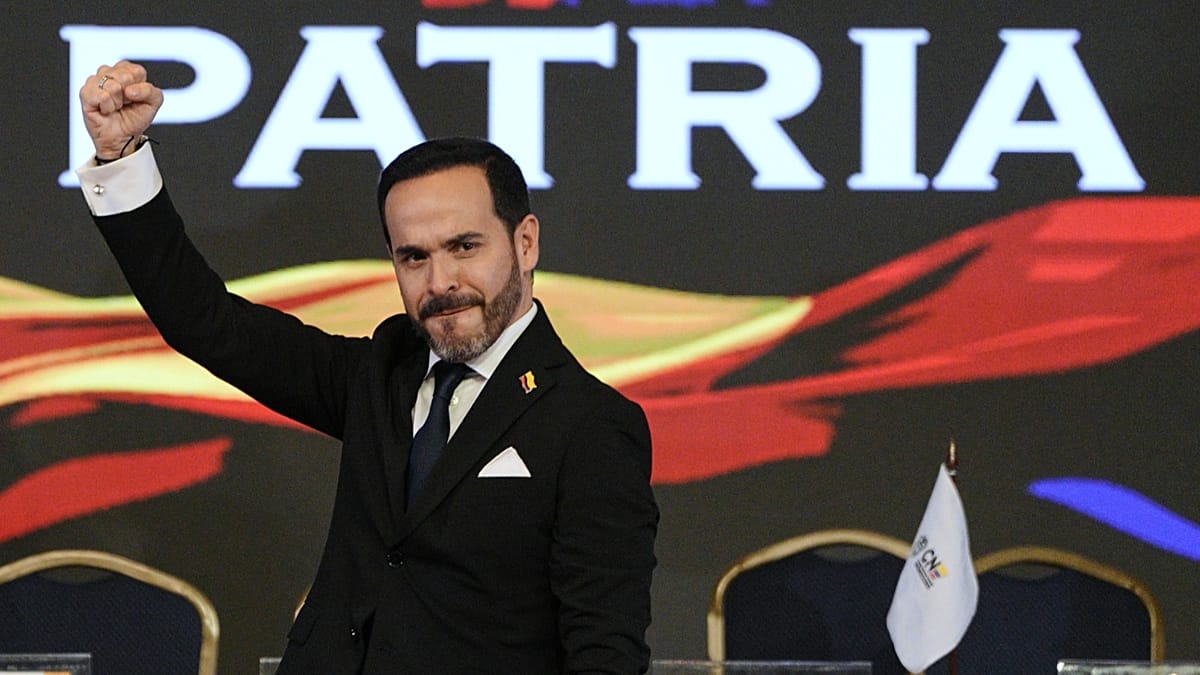
Colombia's president-elect, Abelardo de la Espriella, has announced a sweeping reorganisation of the country's diplomatic network that will see embassies in three European Union member states closed. The move, part of a broader cost-cutting and security-focused overhaul, targets missions in Hungary, the Czech Republic, and Romania, along with several others in Africa, the Caribbean, and North Africa.
In a video posted on social media, de la Espriella confirmed that Colombia will shut 14 embassies and 15 consulates worldwide. He insisted that the closures would not affect bilateral relations with the countries concerned, but the decision marks a significant shift in Bogotá's foreign policy priorities under his incoming administration.
Severing ties with Havana and Managua
Beyond the embassy closures, de la Espriella has pledged to break off diplomatic relations entirely with Cuba and Nicaragua once he takes office on 7 August. In a statement after his election victory in June, he declared: “In my government there will be no ties whatsoever with tyrannies.” The incoming president has long criticised the governments in Havana and Managua, aligning his stance with recent US pressure on both regimes. Nicaragua's President Daniel Ortega recently stated that no further elections would be held in the country, a remark that has drawn international condemnation.
The decision to cut ties with Cuba and Nicaragua is one of de la Espriella's first major foreign policy moves. It signals a clear departure from the approach of his predecessor, Gustavo Petro, who had maintained diplomatic engagement with both nations.
Cost-cutting and security focus
De la Espriella framed the diplomatic overhaul as a necessary measure to redirect resources toward domestic priorities. “Every peso we save on bureaucracy will be a peso we can invest in security, health, education, infrastructure and, above all, opportunities for the poorest,” he said in his video address. He also announced a technical audit during the first 100 days of his term to assess the usefulness of remaining diplomatic missions, adding: “Colombia needs a diplomacy that is modern, efficient and serves the national interest, not politicking and bureaucracy.”
The incoming president has made security a central theme of his campaign, promising to intensify the fight against armed groups and abandon Petro's “total peace” policy, which sought negotiations with illegal organisations. The embassy closures are part of a broader effort to streamline government spending and bolster domestic security, healthcare, and education.
At the same time, de la Espriella confirmed that Colombia will reopen its embassy in Jerusalem, restoring diplomatic representation with Israel after Petro ordered its closure in 2024. He also plans to open a new embassy in Nigeria, citing “strategic opportunities” in Africa.
Inauguration moved to Cali
In another break with tradition, de la Espriella will be sworn in on 7 August in Cali, the capital of Valle del Cauca department, rather than in Bogotá. He had initially considered Popayán but ruled it out due to logistical and security concerns. The decision drew criticism from outgoing President Petro, who questioned why the ceremony would not be held in Bogotá's Plaza de Bolívar and joked that it could instead take place in Miami, where de la Espriella runs a law firm.
The change of venue underscores the heightened security concerns that dominated de la Espriella's campaign. Colombia continues to grapple with armed groups and violence, particularly in rural areas. The incoming president has pledged a tougher line than his predecessor, vowing to restore order and reduce crime.
De la Espriella's diplomatic overhaul comes at a time when several European countries are reassessing their own foreign policy priorities. For instance, Iran has escalated diplomatic pressure on Bulgaria over the use of US air bases, while Romania has shot down a third drone in as many days amid Russian incursions. Meanwhile, the new UK prime minister has cut electricity VAT and capped bus fares in a cost-of-living push, reflecting a broader European trend toward domestic-focused governance.
Colombia's decision to close embassies in three EU member states may raise questions about the future of bilateral ties with those countries, though de la Espriella has sought to downplay any diplomatic fallout. The move is likely to be watched closely by other Latin American nations considering similar cost-saving measures.