In his first days in Downing Street, UK Prime Minister Andy Burnham has moved quickly to deliver on his promise of a government focused on the cost of living. Two early-morning announcements—scrapping the 5% VAT on household electricity bills and capping single bus fares in England at £2—signal a shift in priorities from his predecessor, Keir Starmer.
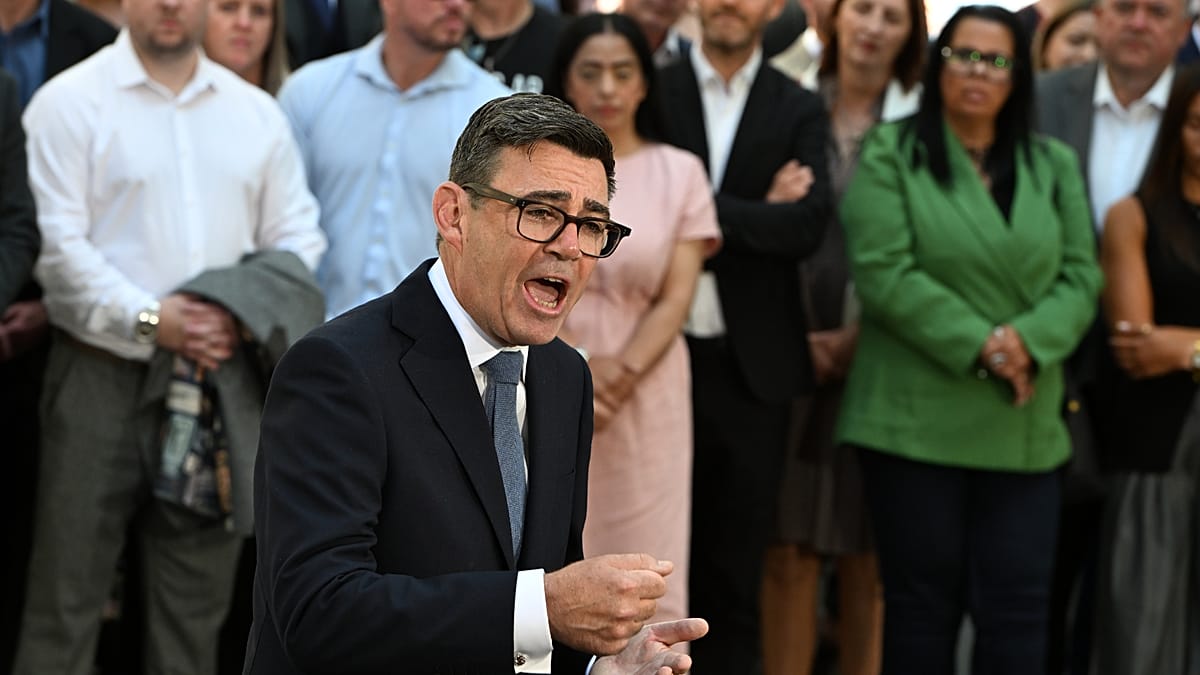
Burnham, who entered 10 Downing Street on Monday after winning the Labour leadership unopposed, told his newly assembled cabinet that Britain now has a "cost of living government" whose task is to convince households "that help is coming". The phrase echoed his inaugural speech, where he pledged to tackle the economic pressures that have defined British politics since the pandemic and energy crisis.
Electricity VAT Cut and Bus Fare Cap
The first measure, announced on Tuesday, removes the 5% VAT from household electricity bills from October until the end of the financial year next April. The Treasury estimates this will save the average household £45 (€53) annually. The cut is funded by scrapping the digital ID programme, though Downing Street insists the measure is "fully funded" as departments will absorb the digital ID scheme from existing budgets and redirect those savings.
The second initiative, unveiled on Wednesday, caps single bus fares in England outside London at £2 from 1 January through to the end of next year. This replaces the current £3 cap, which was due to remain until March 2027, and heads off a potential spring price jump. Without the cap, single fares on the most expensive routes could exceed £10. The previous £2 cap generated an estimated 30 million extra bus journeys in ten months, according to government data.
The £454 million (€533mn) cost of the bus fare cap was found in the energy department's budget by switching cash earmarked for international climate finance projects into loans. "I've done it before and I will do it again now: a £2 cap on bus fares for millions across the country," Burnham said, invoking his first-day pledge to build "a country for everyone, everywhere". The cap mirrors Greater Manchester's Bee Network, where fares have been held at £2 for four years under his mayoralty.
Fiscal Constraints and Growth Ambitions
These giveaways come against a backdrop of severe fiscal constraints. Burnham surprised observers by handing the Treasury to John Healey, a former defence secretary with Treasury experience under Gordon Brown. Healey's appointment is read as reassurance that Labour's promise to bring down debt will hold. He inherits public debt above 95% of GDP, its highest since the 1960s, with interest costs of £111.2 billion (€130bn) last year, or 8.3% of government spending, according to the UK budget watchdog.
Growth has averaged under 1.5% a year since 2009, half its pre-crisis pace—a stagnation that helps explain why Burnham is the seventh prime minister in a decade. Post-crisis occupants of 10 Downing Street have lasted barely two years on average. Meanwhile, Britain's pledge to raise defence spending to 3.5% of GDP by 2035 will cost about £36 billion (€42.3bn) a year, according to the Institute for Fiscal Studies.
Burnham's ambitious growth agenda envisions reindustrialisation beyond London, tackling the UK's housing shortage, and support for small firms that provide six in ten private-sector jobs. But these plans will face hurdles if he also intends to increase pensions according to the triple lock—which follows either higher inflation, earnings growth, or a set 2.5% increase—while avoiding tax increases for average citizens.
For a deeper look at Burnham's first day in office, see UK PM Burnham Scraps Electricity VAT, Reshuffles Cabinet in First Day. His broader vision for stability is outlined in UK PM Andy Burnham Pledges Decade-Long Plan for Stability and Renewal. For context on his rise to power, read Andy Burnham Becomes UK Prime Minister After Starmer Resigns.