The European Union's long-debated migration pact has officially entered into force, fundamentally altering how the bloc manages asylum seekers and border controls. For the first time, all 27 member states must apply a unified set of rules covering border procedures, reception conditions, and a solidarity mechanism for relocating migrants. The pact aims to address the persistent challenge of irregular migration, which intensified after 2015 when then-German Chancellor Angela Merkel's remarks were widely seen as an open invitation to enter the EU.
The new framework moves away from the Dublin system, which placed responsibility for asylum seekers on the first EU country they entered—often Greece, Spain, Cyprus, or Italy, whose sea borders are harder to police. Under the pact, the principle of 'compulsory solidarity' means all member states share the burden. Countries can either accept a quota of migrants—calculated based on population, GDP, and national circumstances—or contribute financially, for example by funding infrastructure or paying an equivalent amount for each migrant they refuse.
How the Pact Categorises Member States
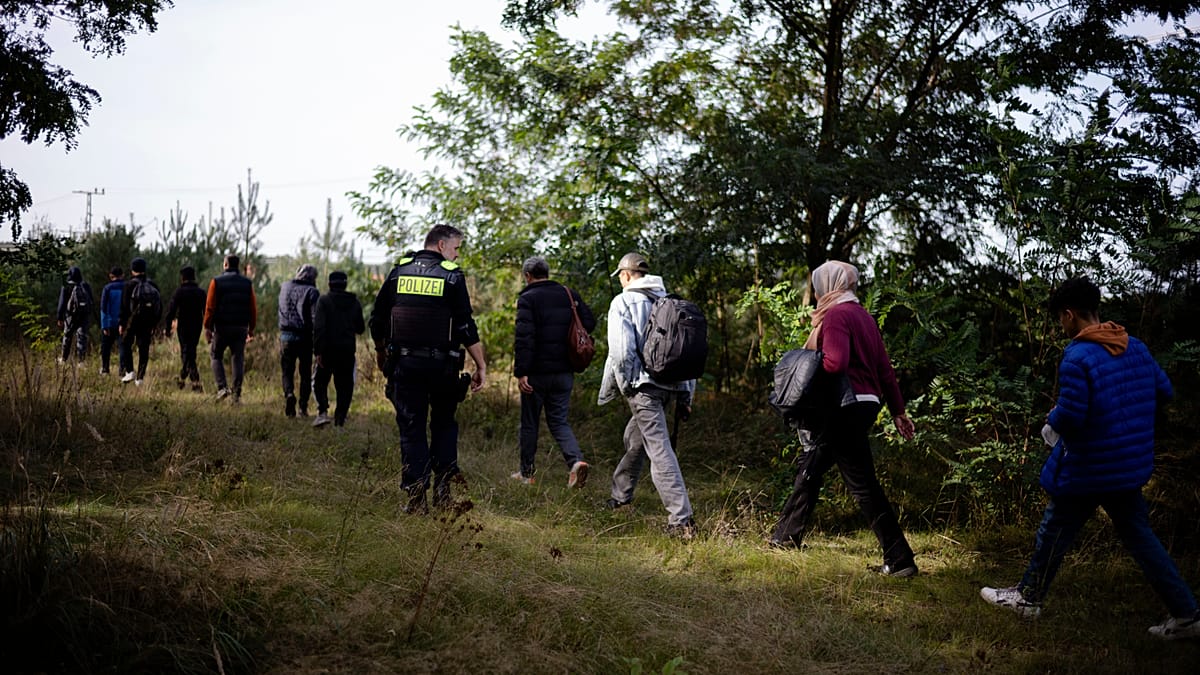
The pact divides the 27 into three groups. Benefiting countries—Cyprus, Greece, and Spain—will see some asylum seekers redistributed to other states and receive financial support. Countries under pressure include Poland, Croatia, Austria, Estonia, and Czechia. These states face exceptional circumstances: Poland, for instance, is dealing with a massive influx of refugees from Ukraine and a simmering migration crisis on its border with Belarus. As a result, Warsaw has been temporarily exempted from the solidarity mechanism for 2026. Assisting countries—the remaining member states—must help by accepting migrants or providing funds.
The European Commission will produce an annual report on each country's migration situation. States can request exemptions based on emergencies, but the final decision rests with the Commission. A mid-year review will assess how the pact is working in practice. For 2026, the relocation pool has been set at 21,000 people. So far, Slovakia and Hungary have announced they will not accept any migrants.
It is important to note what the pact does not include. Contrary to some claims, it does not establish return centres outside the EU. That proposal appears in a separate regulation on a common return system, which would allow EU countries to sign agreements with third countries to set up such centres. Italy's government under Giorgia Meloni has already tested this approach with Albania, but Italian courts and the Court of Justice of the EU have raised legal objections. The regulation, which also extends possible detention periods to two years and introduces a double-entry ban, is due for a vote in the European Parliament next week.
For Poland, the temporary exemption is a relief but not a permanent solution. The situation will be reassessed mid-year and again in December when the Commission presents its report. The pact's mandatory solidarity remains a contentious issue across the continent, with some states arguing it infringes on national sovereignty. Meanwhile, the broader debate over migration continues, as seen in recent anti-immigration protests in Belfast and the Pope's call for reciprocal integration during his visit to Tenerife.
The pact's long-term impact will depend on enforcement and political will. While it introduces a permanent mechanism, the Commission's ability to compel compliance from reluctant states like Hungary and Slovakia remains untested. For Europe, the pact represents a step toward a common migration policy, but the road ahead is fraught with legal, political, and humanitarian challenges.