European Union foreign ministers on Monday voiced strong disapproval of the diesel agreement struck between US President Donald Trump and Russian President Vladimir Putin, while reaffirming that the bloc's sanctions on Moscow will remain in place. The deal, announced by Trump on social media, involves Russia releasing 300,000 tonnes of diesel to the US and global markets immediately, with an additional 500,000 tonnes in November and one million tonnes thereafter. To facilitate this, Washington issued a broad sanctions waiver for Russian diesel until April 2027, a move that has alarmed Kyiv and its allies.
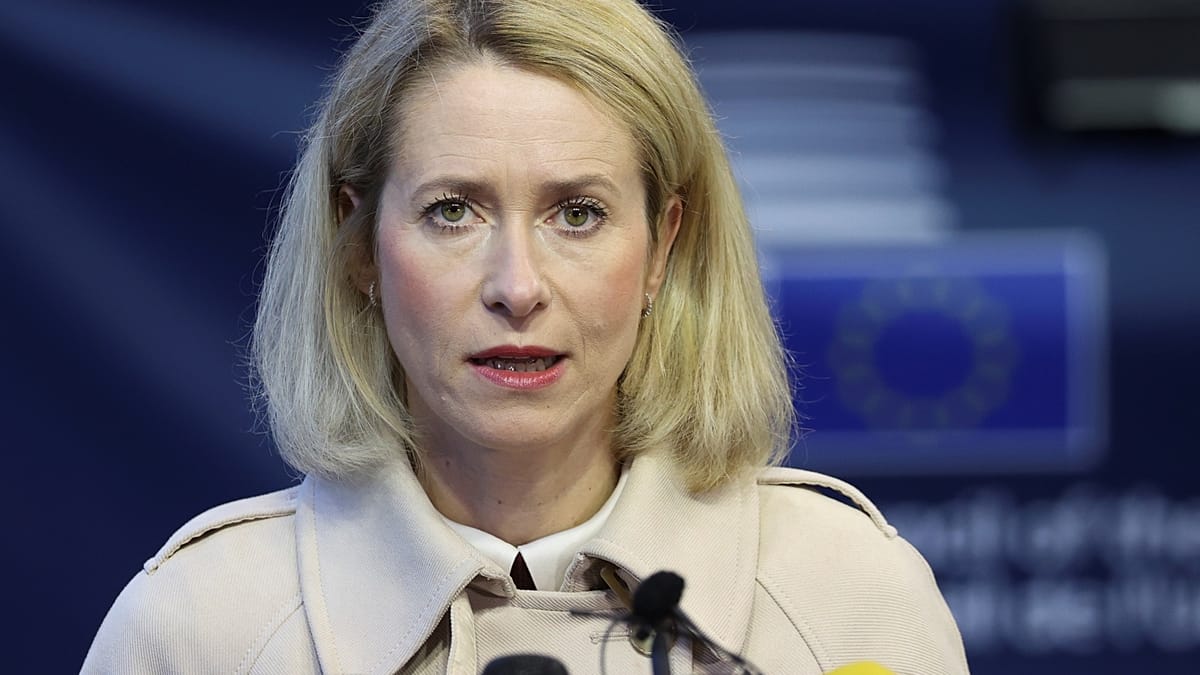
Speaking as ministers gathered in Luxembourg, the EU's High Representative for Foreign Affairs, Kaja Kallas, stressed that the only path to ending the war is through increased pressure on Russia. "The US is our biggest ally, but our message is clear: if we want to end this war, the only way we can do this is by putting more pressure on Russia," she said. Kallas also urged the White House to enforce the Graham bill, which proposes sweeping sanctions and tariffs on Moscow, but noted that the law leaves implementation to the president's discretion.
Concerns over transatlantic unity
Ireland's Foreign Minister, Helen McEntee, described the diesel deal as "concerning" but insisted that the EU would continue its long-standing strategy of sanctions. "What we need to do is refocus and redouble our efforts in keeping pressure on Russia," McEntee said upon arrival in Luxembourg. She also emphasized the importance of maintaining channels with Washington, acknowledging that European efforts alone may not suffice.
Sweden's Foreign Minister, Maria Malmer Stenergard, expressed regret over the agreement and encouraged European peers to tap into immobilised Russian assets to boost military and financial support for Ukraine. "I very much regret this deal. I hope it will not go into force," she said. "EU countries, regardless of what happens with the US, must stay calm and carry on and increase support by using the frozen assets and increase the pressure on Russia."
Lithuanian Foreign Minister Kęstutis Budrys was equally critical, stating that the diesel deal "doesn't help, neither the prices of the oil products nor the unity within the transatlantic community." He added, "It is not the European way. Our way is to increase pressure because we already see how it works. We are not done here because for Europe, this is the vital interest: to help Ukraine sustain this winter."
Estonia's Margus Tsahkna linked the agreement to the "domestic situation" in the US ahead of next month's midterm elections, where Trump's Republicans trail the Democrats. He predicted the deal's material impact would be limited. Tsahkna also noted that the energy ceasefire announced by Trump on Sunday was "not working," pointing to Russia's relentless airstrikes on Ukraine. The ceasefire, reportedly designed to cover oil refineries as a first step, would be heavily lopsided: Ukraine has just one major refinery while Russia has 32.
Kyiv has systematically targeted Russia's oil industry to cripple its war chest and gain leverage, but these strikes have angered Trump, leading to his deal with Putin. The EU adopted on Monday its largest-ever addition to its sanctions list, targeting more than 1,600 individuals and entities accused of supporting Russia's war effort, with over half linked to ballistic missile production.
Kallas underscored the urgency, saying, "Energy is extremely important because the winter is going to be cold." The EU's resolve remains firm, even as the transatlantic partnership faces strains. For more context on the energy ceasefire and its reception in Kyiv, see Kyiv's reaction to the ceasefire and the impact on oil prices.