Today's travellers are no longer satisfied with a quick photo. They want a story to tell, a genuine connection with the places they visit. This shift is reshaping how Europe approaches tourism, especially in the cruise sector, which brings millions of visitors to the continent's coasts each year.
As the European Union develops its vision for sustainable tourism, the question of how to protect local identity while accommodating growing demand has become central. The answer, many argue, lies in spreading the flow of visitors more evenly across destinations and seasons.
Diversification as a tool for preservation
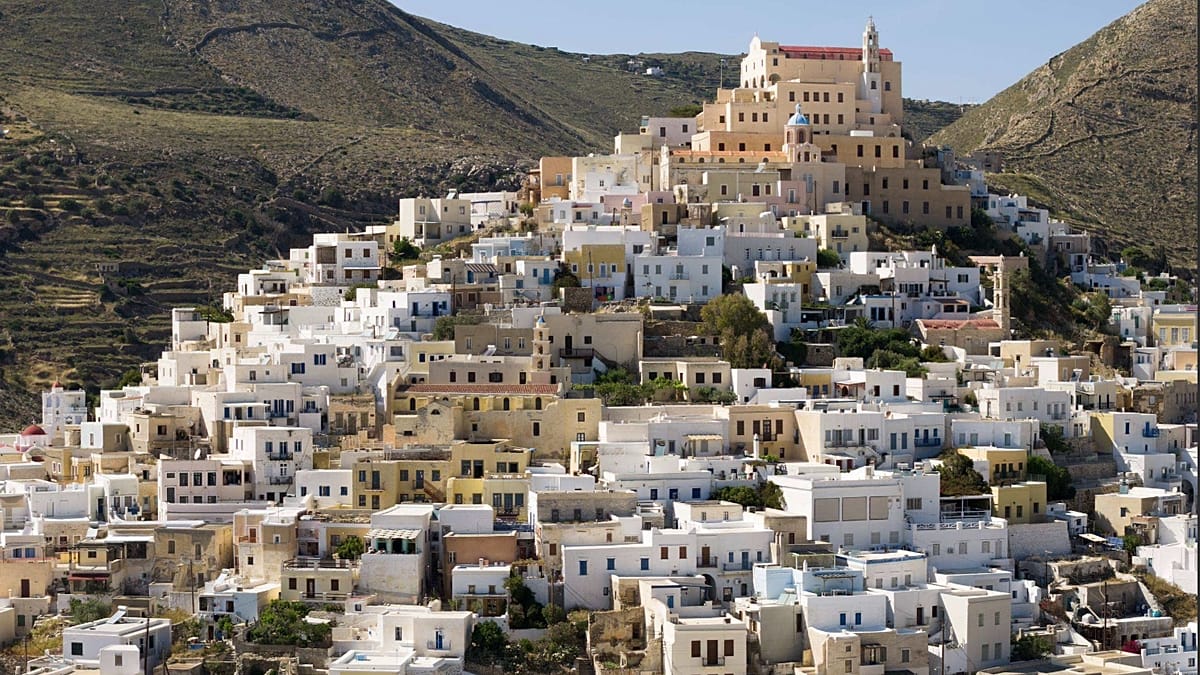
Encouraging travellers to explore lesser-known places can relieve pressure on overcrowded hotspots. Greece offers a compelling example. While Athens and Santorini draw crowds, the island of Syros has emerged as a hidden gem. Since cruise lines added Syros to their itineraries, guests have praised its authenticity and cultural heritage, brought to life by local guides who share their knowledge of the island's traditions.
Europe is full of such destinations, many of them off the beaten track. In Spain's Canary Islands, for instance, cruise operators are collaborating with local authorities to take visitors inland to villages like Garachico, Betancuria, Teguise, and Tejeda. Here, local craftsmanship, gastronomy, and traditions remain central to daily life, offering travellers more meaningful experiences while generating economic value for communities that might otherwise be overlooked.
These new itineraries are not accidental. They are the result of extensive cooperation between cruise lines, local governments, and tourism boards. Opening new places in the right way requires careful planning and strong partnerships, as the cruise industry's record in Europe shows.
Managing visitor flows and seasons
Effective tourism management means understanding a destination's capacity and infrastructure. Dubrovnik's "Respect the City" programme is a model of this approach. The Croatian city uses digital data and street signage to recommend optimal times for visiting popular attractions, helping to ease congestion in the historic old town.
When people travel is just as important as where they travel. Many destinations are just as appealing in spring, autumn, or winter as in the peak summer months. Off-peak cruise travel is a growing trend, and Europe is seeing the highest increase in the share of cruise passengers sailing outside the traditional season. This shift helps reduce dependence on seasonal peaks and builds long-term resilience for local economies.
Policy should support this evolution. Investments in infrastructure, such as better connectivity between transport networks and clear information at terminals, can help spread tourism benefits more widely. Data tools for visitor flow management, as implemented in Mykonos with its digital berthing system, allow destinations to monitor and manage cruise traffic effectively.
Collaboration for a sustainable future
The key to success lies in destination management plans that bring together local authorities, transport providers, and tourism businesses around a shared vision. A holistic approach to coastal and island tourism, considering cruise, ferries, and other maritime travel, would help avoid bottlenecks and shape visitor flows in line with local priorities.
As Europe shapes its future tourism strategy, the focus should be on helping destinations manage tourism more effectively. This includes targeted investment in infrastructure and support for data-driven management tools. It also means fostering collaboration between destinations and tourism partners, as seen in the transformation of Baku's tourism economy.
When visitors can explore throughout the year, discover lesser-known places, and engage with local culture, tourism can deliver lasting benefits beyond the most visited sites. With careful planning and investment, Europe can welcome visitors in ways that support local value while preserving what makes each place special.