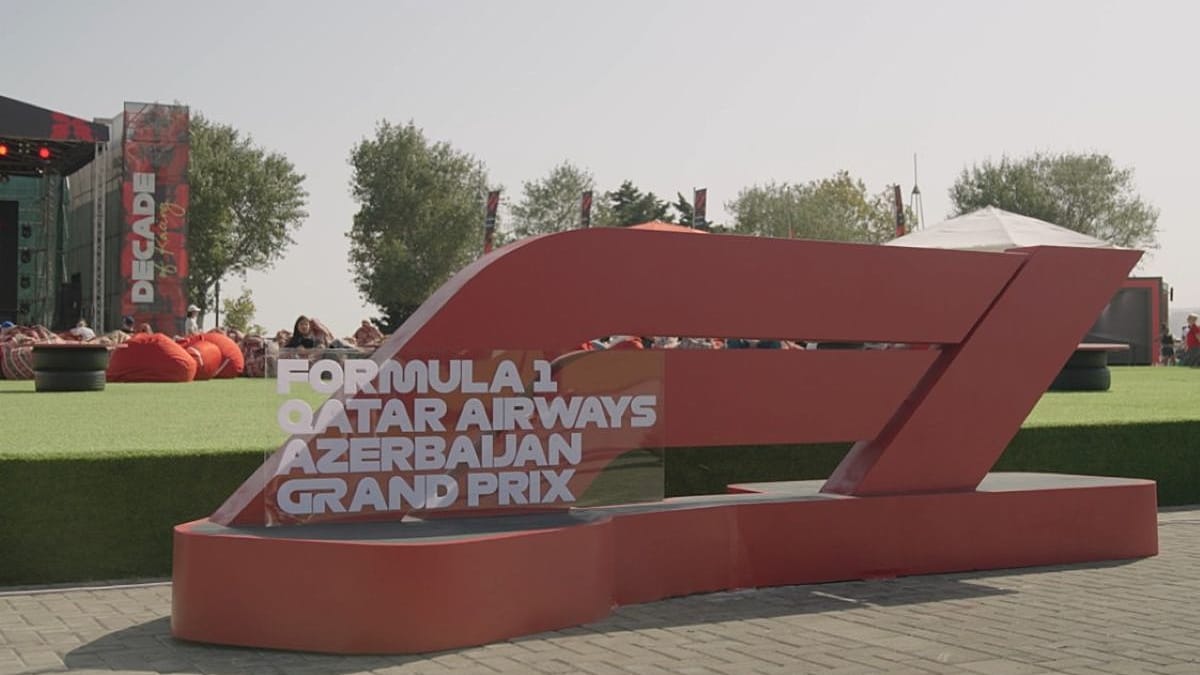
When Formula 1 first roared through the streets of Baku a decade ago, few could have predicted the lasting imprint it would leave on the Azerbaijani capital. The 10th Azerbaijan Grand Prix, held over four days in June, drew more than 92,000 visits to the city, including over 17,000 international spectators who watched the race live from the grandstands. Fans from more than 120 countries purchased tickets, turning the event into a global gathering that extends far beyond the sport itself.
The race weekend has become a cornerstone of Baku's tourism calendar, injecting a surge of activity into hotels, restaurants, and shops across the city. Local businesses, from family-run cafés in the Old City to luxury retailers along the boulevard, report a noticeable uptick in customers during the event. The economic ripple effect is substantial, with thousands of staff, volunteers, and marshals involved in the race's organisation, creating temporary jobs and showcasing Azerbaijan's capacity to host international events.
More than a race: a symbol of diversification
For Azerbaijan, the Grand Prix is part of a broader strategy to reduce its economic reliance on hydrocarbons. The country has been actively courting foreign investment beyond oil, as highlighted by recent deals signed at Baku's investment forum, which attracted $10bn in commitments. The race serves as a visible symbol of this pivot, projecting an image of a modern, open nation eager to engage with the world.
The contrast between the futuristic circuit and the ancient walls of the Old City—a UNESCO World Heritage site—is a deliberate one. It underscores Azerbaijan's ambition to blend its rich history with a forward-looking identity. The race route winds past landmarks like the Maiden Tower and the Palace of the Shirvanshahs, offering viewers a unique backdrop that no other Grand Prix can match.
Tourism officials are keen to build on this momentum. Plans are already in motion to launch direct flights between Brussels and Baku by 2027, a move that would make the Azerbaijani capital more accessible to European travellers. The Grand Prix, they argue, is not just a weekend spectacle but a gateway to a year-round destination.
European connections and regional dynamics
The event also carries geopolitical undertones. Azerbaijan's location at the crossroads of Europe and Asia has made it a key player in regional energy politics, and its recent military drills with Turkey and Uzbekistan in Karabakh signal a shifting security landscape. Yet the Grand Prix offers a softer, more welcoming face—one that invites Europeans to see Baku as a hub of culture and commerce rather than a flashpoint.
For the thousands of European fans who made the journey, the race is an opportunity to experience a city that is both familiar and exotic. The influx of visitors from countries like Germany, Italy, and the UK has a tangible impact on local businesses, many of which have adapted to cater to an international clientele. English is increasingly spoken in the city's tourist districts, and menus now feature a mix of Azerbaijani and continental dishes.
The economic benefits are not lost on local entrepreneurs. "The Grand Prix weekend is like a second New Year for us," says a café owner near the circuit. "We triple our staff and still can't keep up with demand." Such testimonials are common, reflecting a broader optimism about the event's long-term value.
As the race celebrates its tenth anniversary, organisers are looking ahead. There is talk of expanding the event's cultural programme, with concerts and exhibitions planned to run alongside the sporting action. The goal is to extend the visitor experience beyond the track, encouraging fans to explore the country's other attractions, from the mud volcanoes of Gobustan to the vineyards of the Caucasus foothills.
The Azerbaijan Grand Prix has evolved from a novelty into a fixture—one that has reshaped Baku's image and economy. For a country often associated with oil and geopolitics, the race offers a different narrative: one of openness, ambition, and a willingness to embrace the future. As the cars speed past the ancient walls, they carry with them a message that Azerbaijan is more than just a resource-rich state; it is a nation on the move.