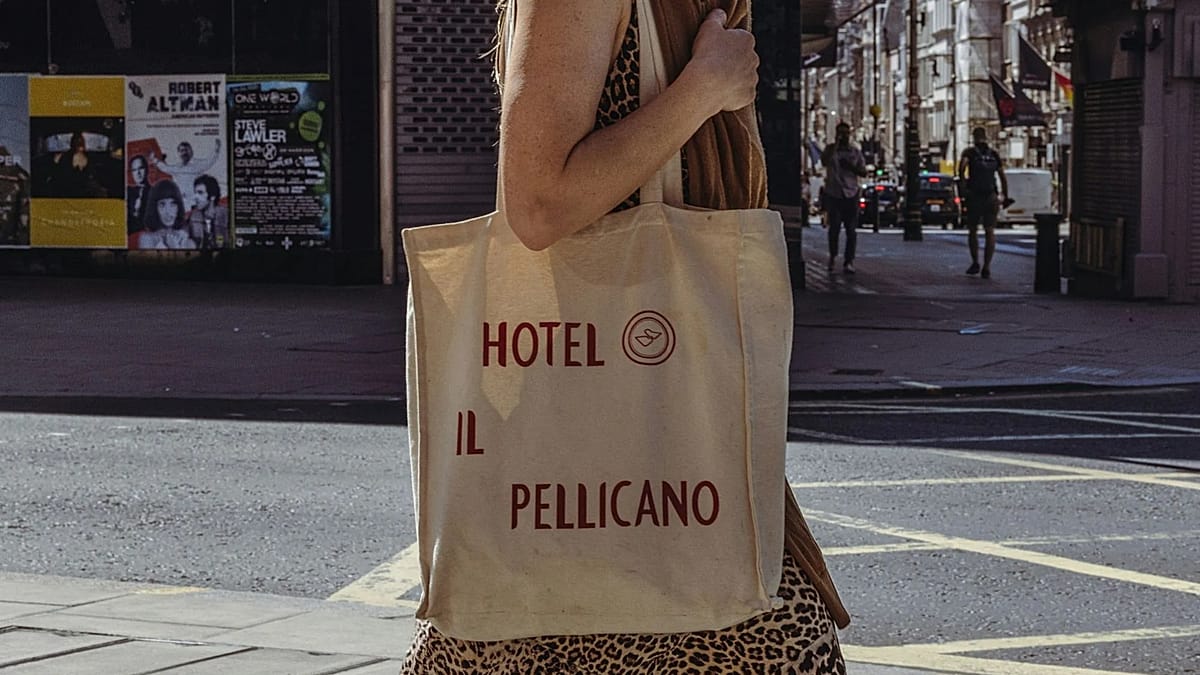
The era of grabbing a last-minute keyring at the airport is fading. According to Skyscanner's latest travel trends report, a growing number of travellers are now planning entire trips around acquiring items that can only be found in a specific place. The trend, dubbed “pilgra-merch”, is the latest evolution of the old travel brag: instead of just posting a photo, you now carry a physical token that proves you were there.
Fashion psychologist Shakaila Forbes-Bell explains the appeal: “Fashion brands have been leaning into this trend by providing more sensation-seeking style experiences from mystery bags to pop-ups, all of which you have to be ‘tapped in’ to know about.” She adds that the community-driven aspect is key: “When a bag, a tote, or a mug becomes sought after, it’s often positioned as something only a ‘real traveller’ would know about. This positioning taps into our ingrained desire to belong and fear of being othered, which ultimately heightens the item’s desirability.”
The report found that 23% of travellers have made a trip in the past year specifically to buy something they couldn't purchase online. Among Gen Z, 28% say they are most proud to own a limited-edition grocery tote, while 22% of Millennials show off branded robes or caps from luxury hotels. The trend is not just about the item itself, but about signalling insider knowledge and a certain level of travel sophistication.
Beyond the obvious: European alternatives
Skyscanner's report highlights two prime examples: the Trader Joe's tote bag and Ritz Paris merchandise. But for European travellers, there are far more interesting and locally meaningful options than a US supermarket chain or a Parisian palace hotel.
If you want supermarket merch that is truly exclusive, consider Japan's Family Mart, which recently released 47 different pairs of socks, each representing a different prefecture. Available only in stores within that prefecture, they are a subtle way to show off your off-the-beaten-path travels. But for a more European take, why not invest in something that is both unique and practical?
With autumn settling in, a hand-knitted jumper from the Handknitting Association of Iceland's stores in Reykjavík is a warm and authentic choice. Made from 100% local wool, these jumpers are a far cry from mass-produced souvenirs. Alternatively, head to Riga, where SENĀ KLĒTS sells mittens knitted in traditional Latvian patterns, each design rich with symbolism. These are not just accessories; they are pieces of cultural heritage.
For warmer days, custom-made sandals from Melissinos Sandals in Athens offer a timeless option. The workshop, famous for its handcrafted leather sandals, has been a staple for decades. Such items are not only unique but also serve as daily reminders of the places you've visited, unlike a branded cap that might end up in a drawer.
The trend also aligns with a broader shift in travel priorities. As travellers increasingly choose to do less and focus on meaningful experiences, the souvenirs they bring back are becoming more personal. This is part of a wider movement where luxury travel is redefined by food, place, and experience rather than opulence.
While the “pilgra-merch” trend is often about instantly recognisable items, the most satisfying souvenirs are those that carry a story. Whether it's a pair of Latvian mittens or a Greek sandal, the best purchases are the ones you'll use for years, not just display on a shelf. So next time you travel, consider skipping the airport gift shop and seeking out something that truly belongs to the place you're visiting.