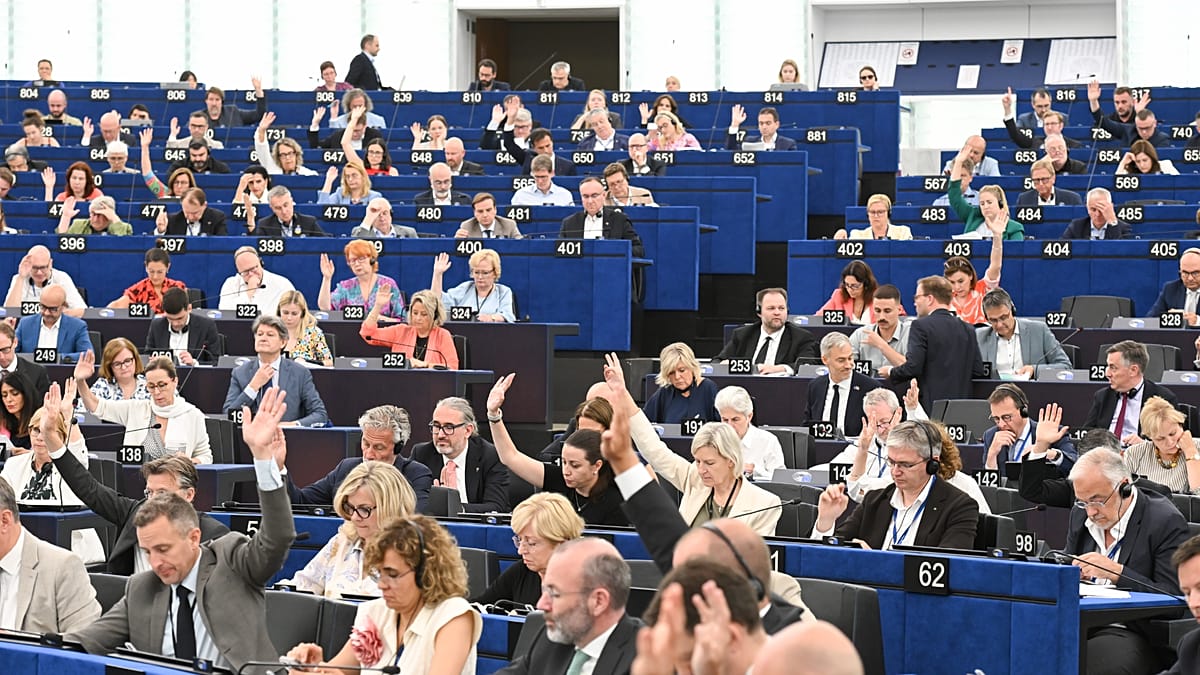
After more than a decade of negotiations, the European Parliament this week approved a comprehensive update to the bloc's air passenger rights framework, the first revision since the original rules came into force in 2004. The new regulation, passed with 646 votes in favour, aims to strengthen protections for travellers while addressing long-standing complaints from both passengers and airlines.
Key Changes: Free Luggage and Family Seating
Under the revised rules, airlines must include one free item of hand luggage in all displayed ticket prices, ending the practice of hidden fees for cabin bags. Families travelling with children under 14 will no longer be charged extra to sit together. These provisions were welcomed by consumer advocates as tangible improvements.
Compensation payments for flight cancellations or delays exceeding three hours remain unchanged at between €250 and €600, depending on the distance of the flight. The European Parliament had pushed for pre-filled claim forms to be provided automatically to affected passengers within 48 hours, but this requirement was dropped during negotiations with EU member states.
“It makes it clearer for consumers to claim compensation, but it doesn't make it easier. Losing pre-filled claim forms at the very last hurdle was a big loss,” said Olivia Brown, policy officer at Euroconsumers. “What we got is real progress, but I would be lying if I said it's the big win that passengers were hoping for.”
Airlines: 'No Winners' in Final Deal
The European Regions Airline Association (ERAA) criticised the outcome, arguing that a flat compensation fee fails to account for the realities of regional carriers. “The deal could have been fairer,” said ERAA Director General Montserrat Barriga. “Sometimes the compensation easily exceeds the original ticket price for many regional routes.”
Barriga noted that regional airlines operate smaller fleets and have fewer resources to manage disruptions. She welcomed the removal of the pre-filled claim form requirement, saying it would have diverted resources from managing disruptions into developing complicated IT systems. However, she acknowledged that new transparency obligations requiring airlines to proactively inform passengers about their rights are a positive step.
“It was a big fight between the European Parliament and Council, and there was pressure to close the deal,” Barriga added, suggesting the agreement was rushed for political reasons.
Political Battle Behind the Scenes
Lead negotiator MEP Andrey Novakov (EPP, Bulgaria) defended the deal as “the biggest improvement in passenger rights since the beginning of this century.” He accused EU governments of trying to weaken protections, citing proposals to reduce compensation from €600 to €83 and increase the delay threshold from three to five hours. “That’s how far they went. It was a massive attempt to water down the rights of passengers,” Novakov said.
The negotiations, which began with a European Commission proposal in 2013, nearly collapsed multiple times. “We were so close to not having a deal,” Novakov admitted, blaming the influence of airline lobbies on transport ministers in EU capitals.
Consumer groups remain cautious. Euroconsumers' Brown pointed out that compensation amounts have not been adjusted for inflation since 2004, and that 47% of respondents in a recent affordability survey said they struggle to pay for holidays. The new rules also do not address the growing problem of flight disruptions caused by air traffic control strikes or extreme weather, which often exempt airlines from compensation obligations.
The revised regulation now awaits formal adoption by the EU Council before entering into force, likely later this year. For a deeper look at the broader context of EU policymaking, see our coverage of the EU budget battle taking center stage as Ireland assumes Council presidency.