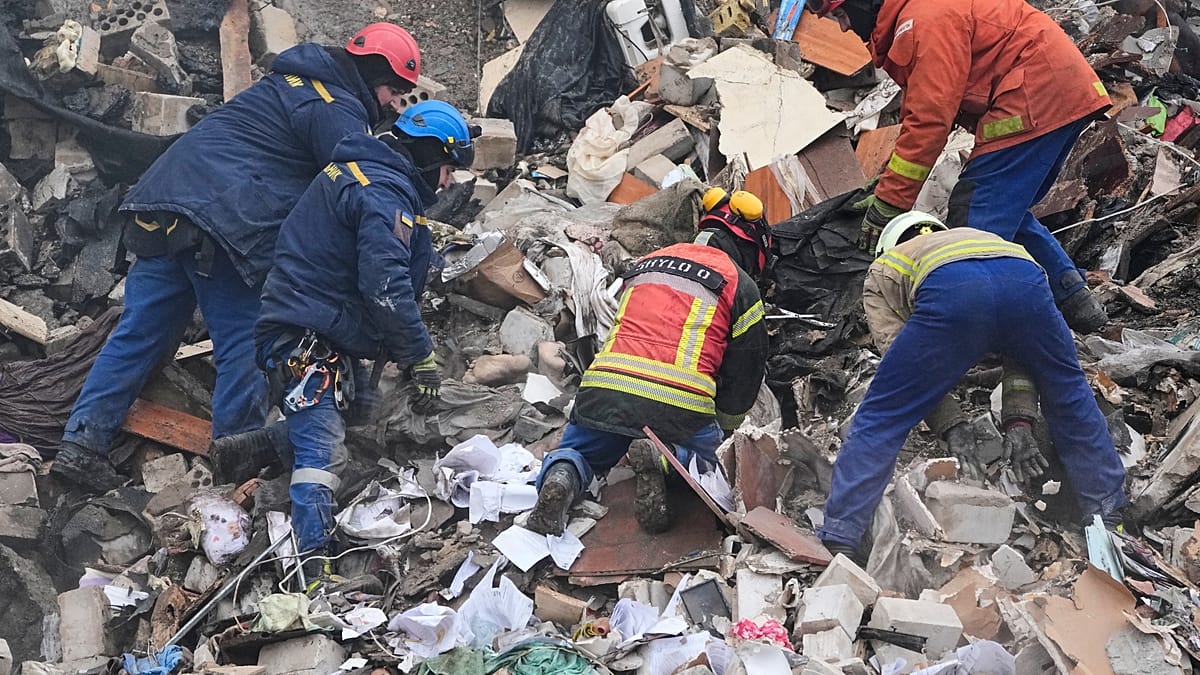
The rhythm of European diplomacy has been relentless: summits, phone calls, and declarations of intent. Yet on the ground, the war in Ukraine shows no sign of abating. If anything, the conflict is spilling beyond Ukraine's borders, raising uncomfortable questions about the effectiveness of all that diplomatic effort.
Brussels tightens the screws
Later today, the European Commission is expected to present its 22nd sanctions package against Russia, according to Jorge Liboreiro. Having learned from the previous round, which was marred by last-minute vetoes, the Commission aims to keep this one streamlined and efficient.
The proposal is likely to target Russian banks, cryptocurrency platforms, and the so-called shadow fleet of tankers, as well as companies in third countries that help Moscow acquire restricted goods. The goal is to secure a deal before EU ambassadors break for Christmas.
This will be the first package since the Commission established a dedicated sanctions office within its Secretariat-General, tasked with improving enforcement both inside and outside the bloc. The office is expected to bring together 50 to 60 staff from across the Commission.
The timing is hardly coincidental. The proposal comes as preparations for multilateral peace talks involving Russia, Ukraine, the US, and Europe are underway. Will Moscow use the sanctions as another excuse to reject the format? Don't rule it out.
The prevailing view in European capitals is that Russia has little interest in serious negotiations, and that more economic pressure is needed to change the equation.
Diplomacy meets reality
After last week's much-hyped summit between Donald Trump, Vladimir Putin, and Xi Jinping, and the gathering of the Coalition of the Willing, there is precious little evidence of peace breaking out.
President Volodymyr Zelenskyy says Russia launched around 2,700 drones, nearly 1,460 aerial bombs, and 165 missiles over the past week, striking 20 Ukrainian regions, as Sasha Vakulina reports. He is demanding more Patriot interceptors from Washington while awaiting written details of Trump's proposed NATO-style security guarantees.
Ukraine, meanwhile, appears to be taking the fight further afield. A Russian warship was reportedly destroyed in a drone attack in Libya on Sunday, while another Russian cargo vessel was struck in the eastern Gulf of Finland. Kyiv has claimed neither attack.
NATO is getting nervous. Three Russian cruise missiles violated Polish airspace on Friday during multinational military exercises involving British troops. Warsaw called it a deliberate provocation, while NATO chief Mark Rutte pledged to defend every inch of allied territory. NATO ambassadors meet in Brussels today to discuss the incident, with Poland seeking additional support for its eastern border.
Meanwhile, Denmark has accused Russian intelligence of plotting to assassinate Ukrainian-American rapper Kyivstoner near Copenhagen, prompting the expulsion of Moscow's defence attaché. Russia denies the allegations.
So much for diplomatic momentum. European leaders are still discussing security guarantees, peacekeeping forces, and negotiating formats. Moscow is still sending missiles. And Brussels is preparing to tighten the screws again.
We'll be asking this morning's Europe Today guest, General Seán Clancy, chairman of the EU Military Committee, about the latest escalations.
COP collapses, leaving climate politics in limbo
A climate summit that couldn't even agree to mention fossil fuels. After two weeks of negotiations and a record 44 hours of overtime, COP31 ended in spectacular disarray on Sunday, with the EU leading a rebellion against a deal that threatened to take global climate policy backwards.
The showdown in Antalya, Turkey, came after oil-producing countries, led by Saudi Arabia, resisted even reaffirming the commitment made in Dubai three years ago to transition away from fossil fuels.
Ireland's Climate Minister Darragh O'Brien, speaking for the EU, refused to swallow the compromise. "We will not accept negotiating backwards in time," he declared, to applause. The UK, Norway, and vulnerable island states joined the revolt.
The proposed pact also promoted controversial carbon capture technologies, while failing to guarantee that a new electrification target would be powered by clean energy.
The result? No overarching agreement, and the biggest failure of UN climate diplomacy since Copenhagen in 2009. For Brussels, it was both a diplomatic disaster and a rare show of backbone. EU Climate Commissioner Wopke Hoekstra warned that multilateralism was in "dire straits", with a handful of countries effectively holding the world hostage.
The collapse leaves the EU seeking alliances beyond the cumbersome UN process while pursuing its own climate agenda: cutting emissions, expanding renewables, and electrifying transport and heating. But Europe's targets will be harder to achieve without global cooperation, particularly as its industries complain about the costs of going green.
The wider picture is bleak. Scientists warn that the world is on course to overshoot the Paris Agreement's 1.5°C warming limit. Yet governments cannot even agree to name the fuels responsible. The planet is heating up. Climate diplomacy, meanwhile, is running out of steam.
In other news
The battle over the EU's next seven-year budget is heating up. European Council President António Costa has proposed slashing €204 billion – more than 10% – from the Commission's original €2 trillion plan to win over Germany and other budget hawks. But there's a catch: the cuts include €8 billion from cohesion funds for poorer regions, infuriating 17 countries that had demanded they be spared. German Chancellor Friedrich Merz, meanwhile, says the cuts don't go far enough. Costa has also floated a new Big Tech tax, potentially raising €5 billion annually, alongside other revenue measures. The European Parliament is furious, with leading MEPs rejecting the cuts even as they welcome the digital levy.