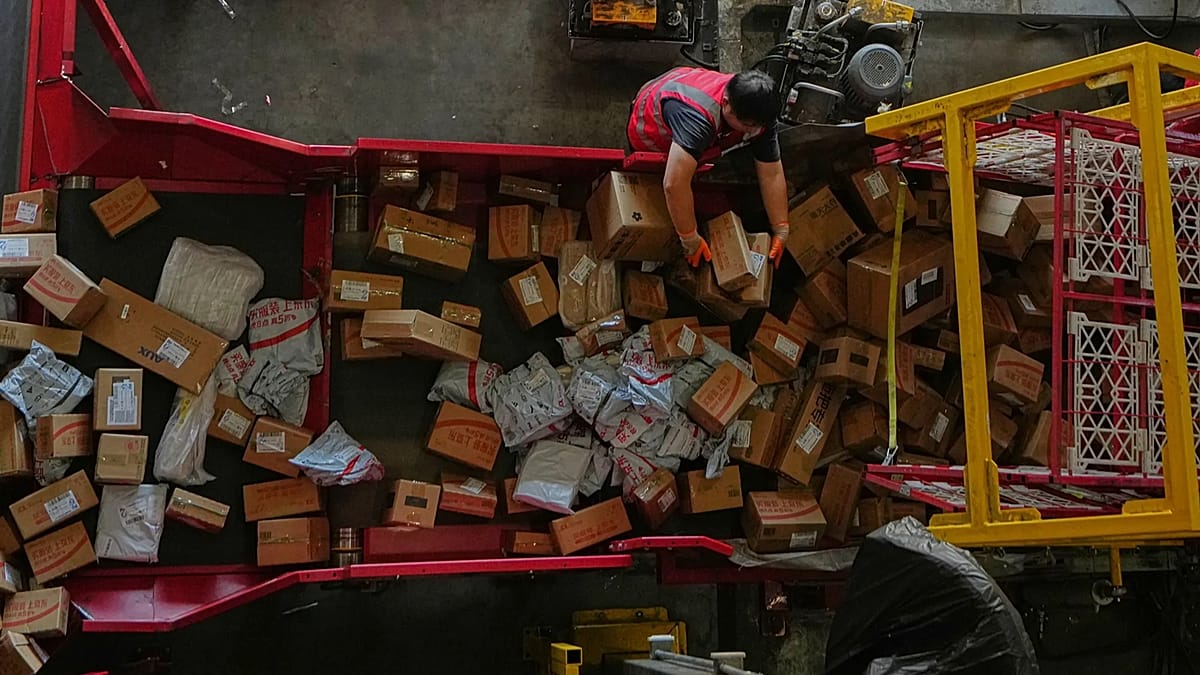
Since the European Union introduced a €3 flat fee on low-value parcels in July, the number of small shipments entering the bloc has dropped by nearly half, according to customs data from Belgium and the Netherlands. The measure is a central part of the EU's strategy to curb the dominance of Chinese e-commerce giants such as Temu and Shein, which have flooded the single market with billions of inexpensive goods.
Belgian authorities report a 53% year-on-year decline in small parcels, while Dutch customs recorded a 46% drop in e-commerce shipments, particularly those originating from China. Together, the two countries handle roughly half of all low-value parcels entering the EU from outside the bloc, making their data a reliable indicator of the broader trend.
However, Dutch customs officials caution that the decrease may not solely reflect reduced consumer demand. In a statement released in early September, they noted that more companies appear to be shifting to bulk imports and storing goods within the EU before selling to consumers. This practice allows firms to bypass the levy and complicates efforts to measure the true impact of the policy. The Dutch authorities have said they will investigate the matter further.
A response to a surge in cheap imports
The temporary levy was introduced after policymakers grew alarmed by the overwhelming influx of low-value parcels from Chinese platforms. According to European Commission data, the EU imported approximately €4.6 billion worth of items under €150 in 2024, averaging 12 million parcels per day. That figure has more than doubled from €2.3 billion in 2023 and €1.4 billion in 2022.
The sheer volume of packages, combined with the fragmented nature of the EU's customs infrastructure, has made it difficult to monitor and regulate these shipments effectively. The new levy is intended to reduce the flow and generate revenue, but it is also part of a broader effort to modernise customs procedures across the bloc.
Beyond economic concerns, the influx of cheap goods has raised serious health and safety issues. A 2025 peer-reviewed study published in Contact Dermatitis analysed 111 clothing items sold in Italy and across the EU, finding that 63% contained carcinogenic, endocrine-disrupting, or sensitising chemicals. Similar findings have been released by Greenpeace and the European Consumer Organisation, highlighting the risks posed by inadequately checked imports.
Customs reform on the horizon
Dutch MEP Dirk Gotink, who is leading the European Parliament's work on customs reform, welcomed the early results of the levy but stressed that more needs to be done. “The temporary €3 import duty that has been in force since July 1 has already significantly reduced the flow of parcels, but we are not there yet,” he told Euronews.
Gotink pointed to the upcoming overhaul of the EU's customs framework, which aims to give authorities better tools to protect businesses and consumers. Key elements include a single central data hub, the creation of a European Customs Authority based in Lille, more risk-based checks, and closer cooperation between national customs agencies. These reforms are designed to improve tracking of goods entering the EU and to close loopholes that currently allow unsafe or counterfeit products to slip through.
The levy has also sparked broader debates about trade relations with China. Some economists argue that the EU should go further in limiting subsidies for Chinese investors, as highlighted in a recent analysis by the Bruegel think tank. Meanwhile, France has defended its own anti-fast-fashion law against Chinese claims of discrimination, and Belgian prosecutors have detained a former researcher in connection with a Chinese chip espionage probe. These developments underscore the growing tension between the EU and China over trade and technology.
For now, the €3 fee appears to be achieving its immediate goal of reducing parcel volumes. But the long-term effectiveness of the measure will depend on the successful implementation of the wider customs reform, as well as on how companies adapt their business models to circumvent the levy. The EU's ability to protect its single market and its citizens will hinge on these efforts.