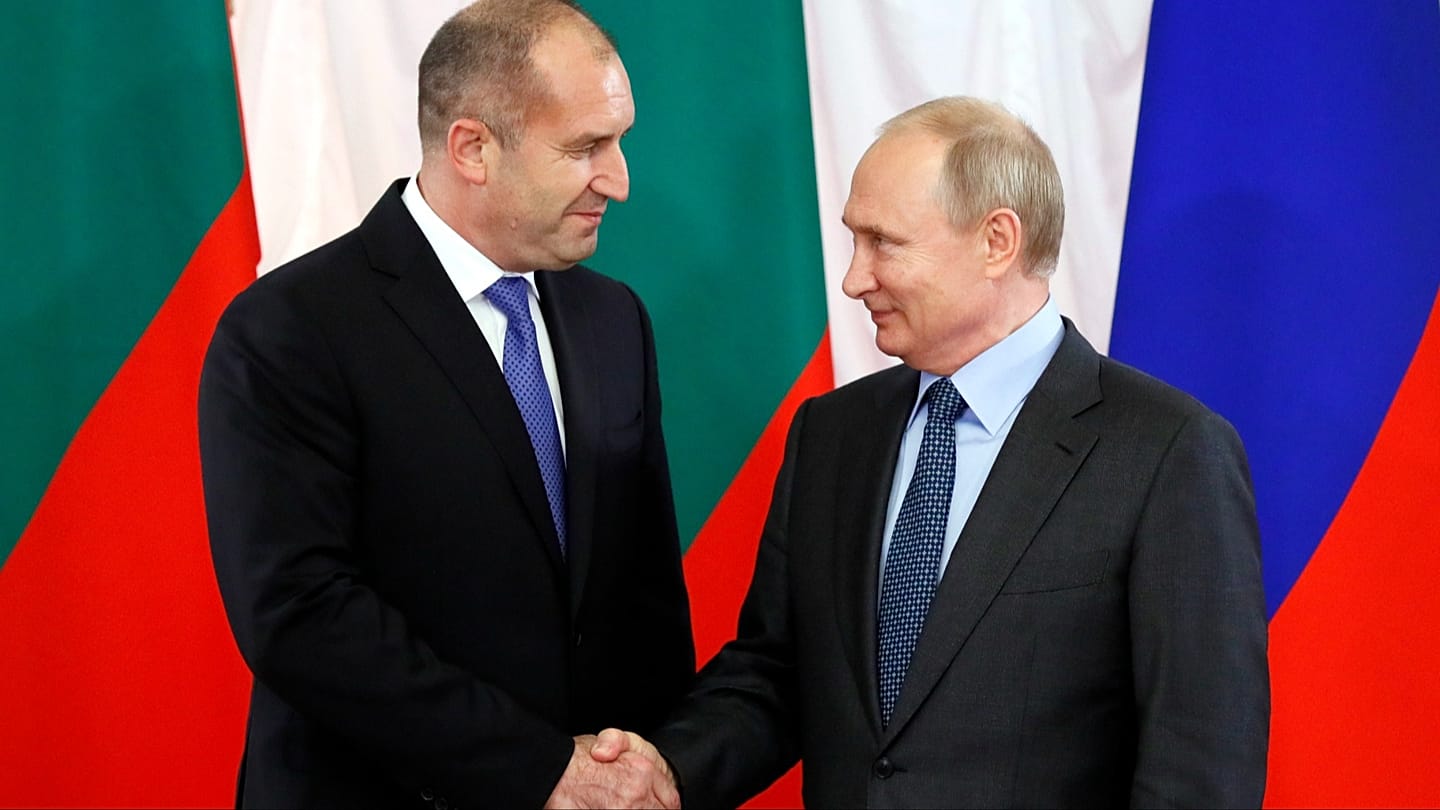
As the European Union prepares to adopt its 21st package of sanctions against Russia, internal tensions are rising. Bulgaria has emerged as a key obstacle, seeking to carve out exemptions that could weaken the measures aimed at curbing Moscow's war machine. The move has sparked debate among member states about the balance between national interests and collective action.
Bulgaria's Stance on Sanctions
According to diplomats in Brussels, Sofia is pushing for loopholes that would allow continued imports of certain Russian goods, particularly in the energy sector. Bulgarian officials argue that their economy, heavily reliant on Russian oil and gas, needs more time to adjust. However, critics contend that such concessions undermine the EU's credibility and send the wrong signal to the Kremlin. The standoff comes as the bloc seeks to maintain unity in its response to Russia's invasion of Ukraine, a policy that has already strained relations among the 27 member states.
The debate over sanctions is not isolated. It echoes broader concerns about enforcement, especially after recent incidents involving Russian shadow fleets. For instance, French President Emmanuel Macron confirmed that the French navy intercepted a Russian tanker off Sicily, part of efforts to clamp down on vessels evading restrictions. Such operations highlight the logistical challenges of implementing sanctions, but also the determination of some member states to uphold them.
Rule of Law Reports Under Fire
Meanwhile, the European Commission's annual rule of law reports, touted as a tool to uphold democratic standards, are facing mounting criticism. Released last week, the reports assess judicial independence, anti-corruption measures, and media freedom across the bloc. Yet many observers argue they lack teeth. "The reports are long on analysis but short on consequences," said a Brussels-based analyst. "They name and shame, but without binding mechanisms, they remain little more than academic exercises."
This critique is particularly resonant in countries like Poland and Hungary, where the Commission has struggled to enforce rule of law conditions linked to EU funding. The reports, while detailed, have not prevented backsliding in some member states, raising questions about their effectiveness. As the EU prepares for the next round of assessments, pressure is growing for stronger enforcement tools, including linking the reports to budget allocations more rigorously.
A Baby in the Council Chamber
In a lighter moment, a council meeting in Luxembourg was briefly interrupted by an unexpected participant: a baby. The infant, brought by a delegate, made a cameo appearance during discussions on agricultural policy, drawing smiles from attendees. While not directly related to the day's agenda, the incident served as a reminder of the human side of EU governance, where personal lives occasionally intersect with bureaucratic proceedings.
The baby's appearance also sparked a social media buzz, with some commentators noting the contrast between the high-stakes debates on sanctions and rule of law and the simple joy of a child in the chamber. It was a fleeting moment of levity in an otherwise tense political climate.
Broader Implications
The developments in Brussels and Luxembourg come against a backdrop of heightened security concerns across Europe. German police recently raided sites linked to an alleged Russian gas sabotage plot, while Norwegian demining charity workers were killed in a Russian strike on Ukraine. These events underscore the ongoing threat posed by Moscow's aggression and the need for robust EU responses.
As the 21st sanctions package moves toward adoption, the outcome of Bulgaria's pushback will be closely watched. If Sofia succeeds in securing exemptions, it could set a precedent for other member states seeking similar carve-outs, potentially diluting the bloc's collective stance. Conversely, a firm rejection could reinforce EU unity but risk alienating a member state already grappling with energy transition challenges.
The rule of law debate, too, is likely to intensify. With the European Parliament elections approaching, the Commission faces pressure to demonstrate that its reports lead to tangible improvements. For now, the reports remain a key tool for transparency, but their impact depends on political will to act on their findings.
In the meantime, the baby in Luxembourg has become an unlikely symbol of the EU's human face—a reminder that behind the complex machinery of sanctions and reports, there are real people navigating these issues. Whether that human touch can bridge the growing divides remains to be seen.