Brussels is poised to formally join Pax Silica, a Washington-led initiative aimed at coordinating export controls and co-investment in advanced semiconductors to counter China's rapid advances in artificial intelligence. The decision, expected to be greenlit by EU ambassadors on Wednesday, follows weeks of internal debate over whether the bloc should align with the United States on critical technology supply chains.
Launched in December 2024, Pax Silica seeks to secure global supply chains for AI chips, critical minerals, and other advanced technologies. The United Kingdom, Japan, South Korea, India, and Australia have already signed on, as have three EU member states—Greece, Finland, and Sweden. The European Commission pushed for collective EU membership, arguing it would help coordinate with like-minded partners and create opportunities for European businesses.
French Resistance and Sovereignty Concerns
France has emerged as the most vocal skeptic within the bloc, framing the initiative as an attempt to colonise Europe and at odds with the EU's tech sovereignty agenda. Paris, along with several other capitals, sought clarifications on the initiative's governance, its relationship with the G7, and whether it could compromise the EU's regulatory autonomy—particularly on export controls and foreign direct investment screening.
Germany, Italy, and the Netherlands, by contrast, were firmly in favor, stressing the need for the EU to present a united front toward Washington. The European Commission, after consulting with the US State Department, confirmed that the Pax Silica Declaration is not legally binding; it is a political statement that will not interfere with EU internal decision-making.
The debate reflects broader tensions within the EU over how to balance strategic autonomy with transatlantic cooperation. The bloc's push for strategic autonomy has gained momentum in recent years, particularly in reducing dependence on Chinese suppliers in critical sectors.
Europe's Chokepoint: ASML and the Chip Supply Chain
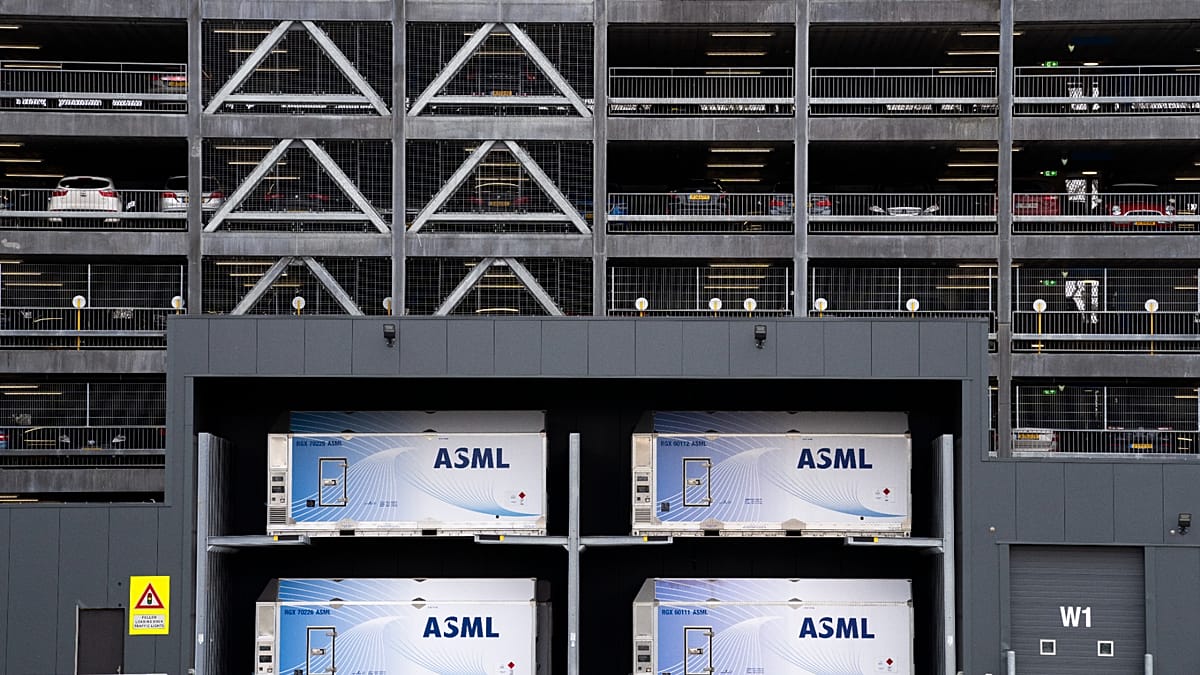
US companies, notably Nvidia, dominate the design of advanced AI chips that power the latest generations of AI systems. Europe, however, holds a critical chokepoint in the supply chain through Dutch company ASML, which dominates the production of lithography machinery essential for manufacturing the most advanced chips. This leverage gives Brussels a strong hand in negotiations, but also makes it a target for both US and Chinese pressure.
On the same day as the Pax Silica vote, Brussels is expected to present a package of measures to boost its technological independence. These include steps to increase demand for European-made chips and ensure that the most sensitive public-sector cloud applications remain hosted within Europe. The initiative is part of a broader effort to reduce strategic dependencies, as outlined in the EU's recent push for stricter trade measures against China.
Economic Stakes and Transatlantic Tensions
Pressure on Brussels to join collectively mounted in recent weeks after several EU capitals moved ahead on their own. Under the EU-US trade agreement, the bloc is also set to purchase "at least $40 billion (€37 billion) worth of US AI chips," according to the joint statement. This commitment has raised eyebrows among some member states, who worry about the financial implications and the potential for deepening dependence on American technology.
The initiative comes amid a broader recalibration of EU-China relations. The bloc has been shifting toward a harder line on China as trade imbalances persist and concerns over technology transfer and intellectual property theft grow. At the same time, internal divisions remain, as evidenced by Germany's recent trade visit to China, which undermined the EU's push for a tougher stance.
For now, the EU's decision to join Pax Silica signals a willingness to cooperate with the US on technology security, even as it seeks to preserve its regulatory independence. The coming months will test whether this balance can be maintained, particularly as the AI race intensifies and supply chain vulnerabilities become more pronounced.



