The European Commission is expected to release a sweeping package on Wednesday aimed at bolstering the EU's technological independence, addressing cloud services, artificial intelligence, advanced semiconductors, and open-source software. The initiative reflects growing unease in Brussels over the bloc's heavy reliance on American and Chinese technology providers.
Cloud Sovereignty and Public Procurement
The most contentious element of the package is likely to be the proposed exclusion of foreign cloud services from public tender procedures in sensitive sectors. According to sources familiar with the plans, the concept of cloud sovereignty will be divided into four levels, with the strictest requirements applied to areas such as defence and healthcare. This move is designed to reduce dependency on non-European cloud providers, but critics warn it could raise costs and limit innovation.
Revamping the Chips Act
Another key component is a revamp of the EU Chips Act, following the first edition's failure to significantly relocate semiconductor production to Europe. The new measures aim to boost demand for chips manufactured within the bloc, particularly in strategic industries like automotive. Specific sectors, including automotive, may face supply chain diversification requirements after a series of chip shortages disrupted production in recent years.
Open Source as a Strategic Asset
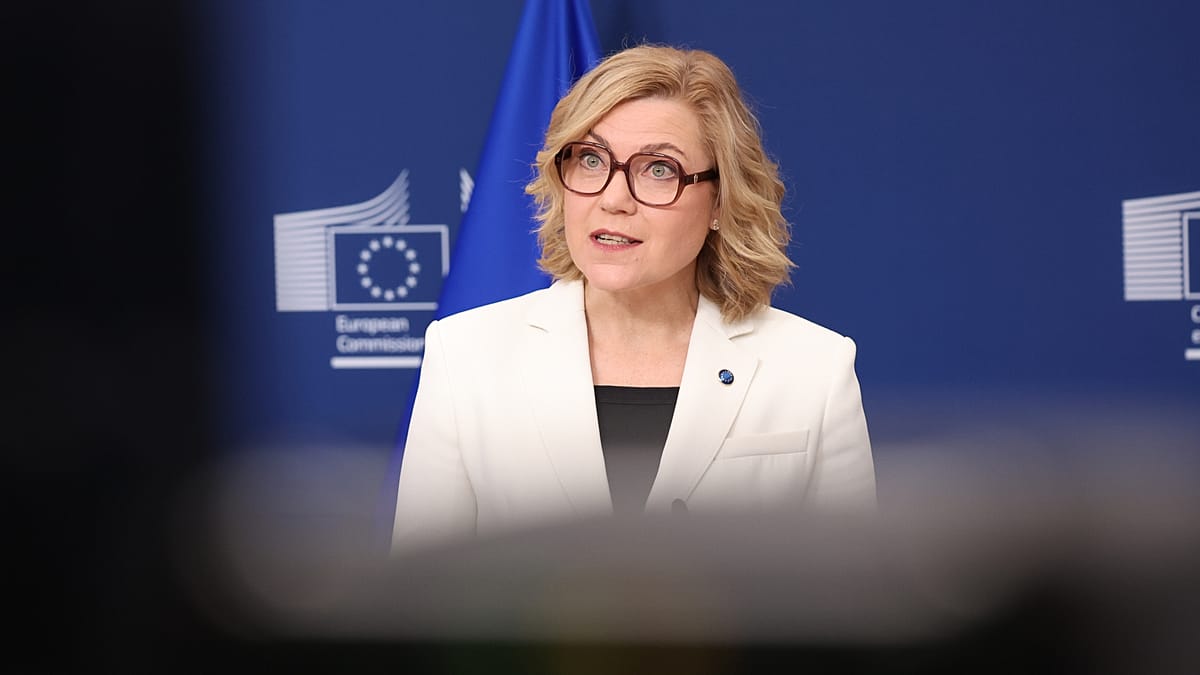
Open-source software is being touted as a potential game-changer for Europe's fragmented tech landscape. Some policymakers see it as the "secret sauce" that could allow smaller European companies to compete with Silicon Valley giants. European Commissioner for Tech Sovereignty, Henna Virkkunen, is scheduled to present the plans later this morning.
Sanctions Envoy Warns on China
In a separate development, the EU's sanctions envoy, David O'Sullivan, told Euronews that the bloc must remain vigilant against Chinese firms evading sanctions and be prepared to take "unilateral action." His comments come after Beijing retaliated against EU sanctions on Chinese companies supplying dual-use technologies to Russia by placing seven EU defence firms on its export control list.
"I think it is very important that we continue to be able to send a strong message that we are vigilant about efforts to circumvent our sanctions and that where we see the evidence, we will take action," O'Sullivan said. He added that the EU raises the issue regularly with Chinese authorities, but Beijing maintains it is not doing anything wrong. "So we still have to take unilateral action against Chinese companies and financial institutions," he explained.
O'Sullivan also addressed efforts to ban maritime services for Russian oil tankers, a measure currently on hold pending G7 agreement and complicated by the US sanctions waiver on seaborne Russian oil amid the energy crisis triggered by the Iran war. While acknowledging there is "no appetite" for steps that could worsen the crisis, he argued EU sanctions on Russian energy have significantly reduced Moscow's revenues. "This was one of our key objectives, and it is working," he said.
Italy Faces Criticism Over Energy Response
Separately, the European Commission is expected to criticise Italy's government for its cuts to excise fuel duties, arguing that such untargeted measures are ineffective. Prime Minister Giorgia Meloni had requested more fiscal flexibility from Brussels to respond to the energy crisis. The Commission's country-specific recommendations, also due today, are likely to castigate Rome for lacking a robust industrial plan and for a tax regime overly reliant on labour. The flat-tax system for the self-employed is expected to be criticised for making the tax system "highly complex" and eroding the tax base.
Hungary Signals Progress on Ukraine Accession
Prime Minister Péter Magyar has indicated that a deal with Kyiv on the rights of Hungarian minorities in Ukraine could be imminent, potentially unlocking EU accession talks. Speaking in Berlin after a meeting with German Chancellor Friedrich Merz, Magyar said he was "very optimistic" about resolving the issue and pointed to a technical resolution "as soon as this week." Five diplomats briefed on the matter told Euronews that conditions for a deal have gained momentum, possibly allowing Hungary to lift its veto by 16 June. For more context, see our earlier report on Hungary's flexibility on Ukraine EU talks.