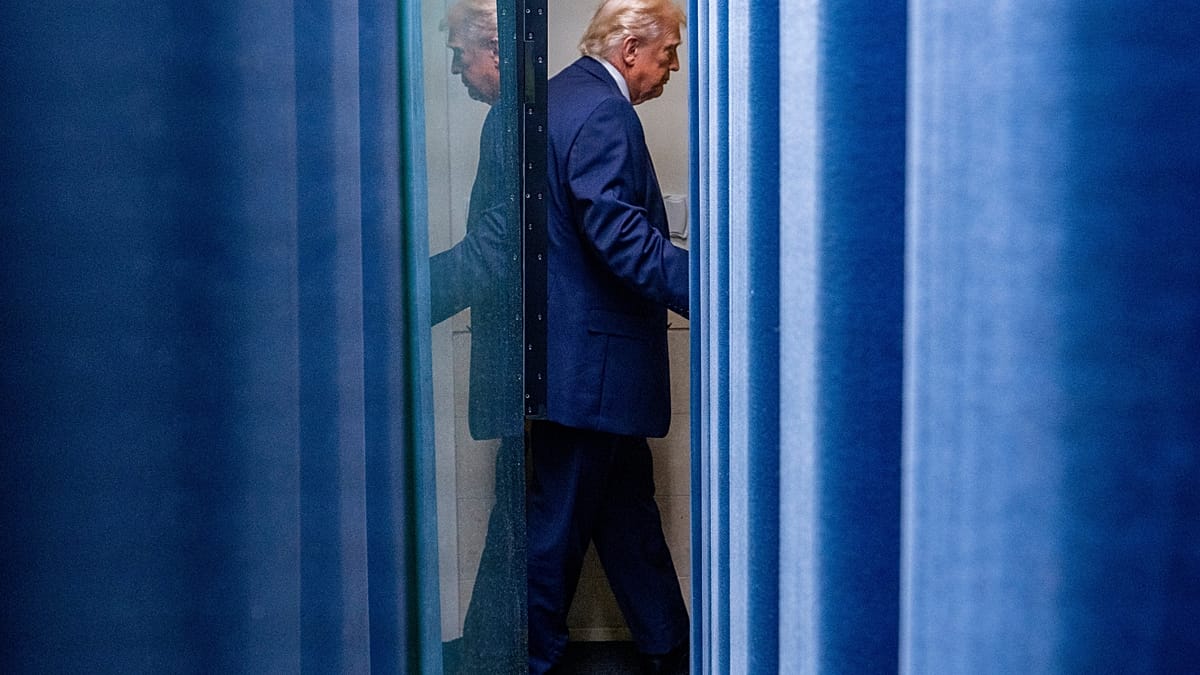
Negotiators from the European Parliament and the Cypriot presidency, representing the twenty-seven member states, failed to reach an agreement last night on eliminating EU tariffs on US industrial goods. The talks, which stretched more than six hours, were intended to implement the Turnberry agreement struck last summer between US President Donald Trump and European Commission President Ursula von der Leyen.
The setback comes as Washington intensifies pressure on Brussels. The US has threatened to impose 25% tariffs on European cars, exceeding the 15% ceiling agreed at Turnberry. That move would hit Germany’s automotive industry particularly hard, with manufacturers in Wolfsburg, Munich, and Stuttgart heavily reliant on the American market.
Internal Divisions Over Safeguards
The European Parliament has insisted on robust safeguards to protect the EU-US deal from future threats by Trump, including those concerning European cars or his earlier comments about Greenland. However, member states do not back all of these measures, despite broadly agreeing on the need for protection. The Cypriot presidency, led by Trade Minister Michael Damianos, described the talks as generating “positive momentum” and said negotiators had made “progress.”
Bernd Lange, a German socialist MEP, said that “there is still some way to go,” but added that negotiators “made good progress on the issue of the safeguard mechanism and the review and evaluation of the main regulation.” One EU diplomat told Euronews that the objective of yesterday’s talks was mainly for both sides to lay out their political positions, with technical negotiations expected at a later stage.
The European Commission, along with leaders of the conservative European People’s Party—the Parliament’s largest political group—is pushing for swift implementation. They argue that businesses need certainty. Damianos sought to reassure them, saying that “the Council is committed to moving swiftly with the implementation” of the deal, adding: “We are fully committed to continue our constructive engagement with the European Parliament.”
The clock is ticking. Negotiators are now targeting a new round of discussions on 19 May. The US threat of 25% auto tariffs looms large, as does the broader risk of a transatlantic trade war. For more context on the stakes, see our analysis of EU Fails to Reach US Trade Deal, Risking New Tariffs from Trump.
The internal rifts within the EU are also significant. Member states like France and Italy have expressed concerns about the deal’s impact on their agricultural sectors, while northern European countries such as the Netherlands and Sweden favour a more liberal approach. These divisions are explored in EU Negotiators Face Internal Rifts Ahead of Key US Trade Talks.
If the US follows through on its tariff threat, it would mark a serious escalation. The EU has already prepared retaliatory measures, including tariffs on US goods like bourbon, motorcycles, and agricultural products. The outcome of the next round of talks on 19 May will be crucial in determining whether the transatlantic relationship can avoid a damaging trade conflict.