The European Union has reiterated its determination to keep up economic pressure on Russia, even as the United Kingdom and the United States introduce measures that appear to soften their own sanctions regimes. The divergence has created tension among Western allies, with Brussels insisting that now is not the time to ease restrictions.
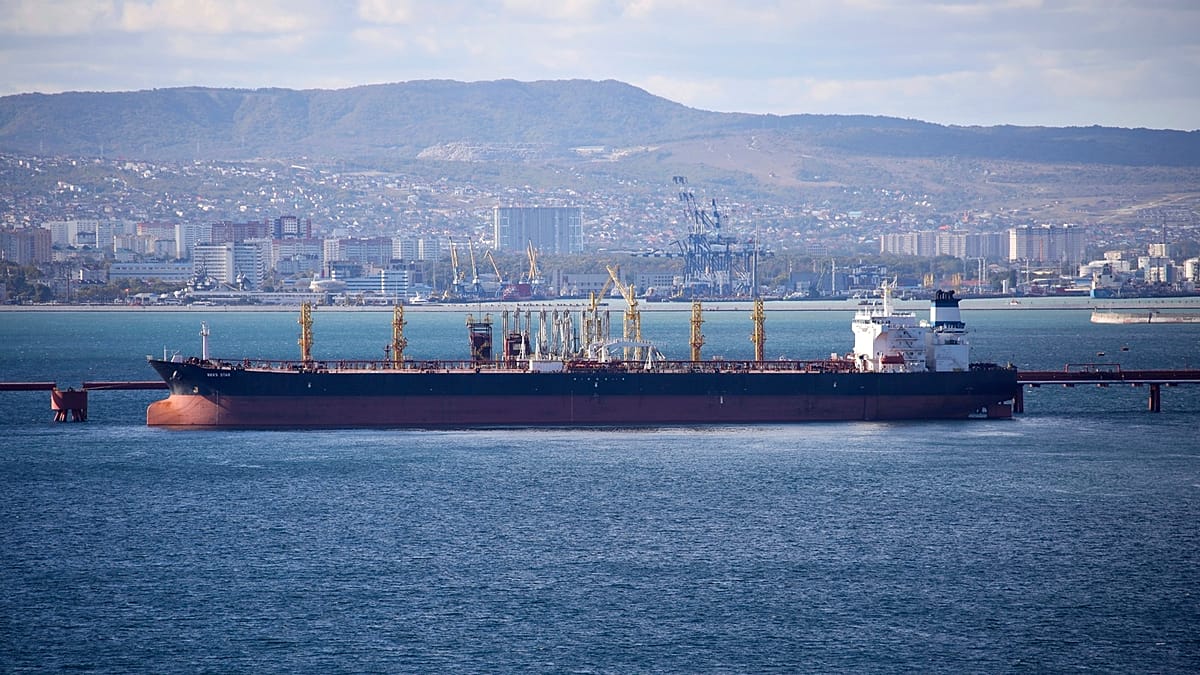
On Tuesday, the British government published an open-ended licence permitting the import of diesel and jet fuel made from Russian crude oil in third countries such as Turkey and India, where the oil is purchased at discounted prices. A separate licence allows short-term service contracts with Russia's Sakhalin-2 and Yamal LNG projects until January 2027. The move caught Ukraine and European allies off guard.
Ukraine's President Volodymyr Zelenskyy's office said it was in "very active communication" with London to understand the implications. Vladyslav Vlasiuk, Zelenskyy's sanctions envoy, expressed concern about "additional revenues" that could flow to Moscow's budget. In Brussels, European Commission spokesperson Paula Pinho stated: "We remain committed to our sanctions on imports of Russian oil and gas. We need to reiterate the call for Russians not to benefit from the ongoing conflict in the Middle East. It's too ironic."
London's Damage Control
The British government sought to portray the licences as a case of poor communication rather than a policy shift. Officials argued that the measures were necessary to phase in a ban on refined oil products derived from Russian crude and to ensure energy security amid the closure of the Strait of Hormuz. Prime Minister Keir Starmer described the licences as "short-term measures" to protect British consumers, insisting: "This is not a question of lifting existing sanctions in any way whatsoever." Trade Minister Chris Bryant apologised for the "clumsy" roll-out and promised to revise the licences "as soon as possible."
The news from London came a day after Washington confirmed it would extend its waiver on Russian oil at sea for the third time this year, citing the need to provide "additional flexibility" to energy-vulnerable countries. US Treasury Secretary Scott Bessent made the announcement during a G7 meeting of finance ministers and central bank governors in Paris.
Valdis Dombrovskis, the European Commissioner for the Economy, sharply criticised the extension. "From the EU point of view, we do not think that this is the time to ease pressure on Russia," he said in Paris, pointing to the steep rise in the price of Urals crude. "If anything, we need to strengthen that pressure."
Brussels is currently pushing for a comprehensive ban on maritime services—including banking, shipping, and insurance—for Russian oil tankers. This would replace the price cap that the G7 has operated since 2022. However, the Commission faces competing pressures. Two member states, Greece and Malta, which have significant economic interests in shipping and flagging services, insist that a full ban must only be imposed if the G7 acts together. Meanwhile, the US and the UK, which dominate banking and insurance services respectively, are adjusting their sanctions to cope with the fallout from the Strait of Hormuz closure.
The unresolved tensions have left the EU in the unusual position of having the ban approved in principle but suspended in practice. As the bloc continues to navigate these challenges, the broader strategy of squeezing Russia's war economy remains a central pillar of European policy. For more on the evolving dynamics, see our analysis on the diplomatic minefield facing the EU's Russia envoy.