As autumn approaches, Europe is confronting a renewed increase in COVID-19 transmission, prompting health authorities to warn of a potentially challenging winter season. Data from the European Centre for Disease Prevention and Control (ECDC) indicates rising case rates in a majority of monitored countries, with a notable impact on older populations.
Dr Hans Kluge, the World Health Organization's Regional Director for Europe, confirmed the trend, noting an 11 per cent increase in cases by late August compared to the previous month. The resurgence is attributed to the continuous evolution of the virus. Every week, a new sub-variant seems to emerge, explained epidemiologist Quique Bassat of ISGlobal, highlighting their increased transmissibility. Countries like Spain have already recorded significant rises in both transmission and hospitalisations.
Assessing the Winter Risk
Experts are concerned that the convergence of COVID-19 with seasonal influenza and other respiratory viruses like RSV could severely strain European healthcare systems. What we all fear, Bassat stated, is the healthcare system being put under severe strain. The cold weather and indoor gatherings typical of winter create ideal conditions for viral spread.
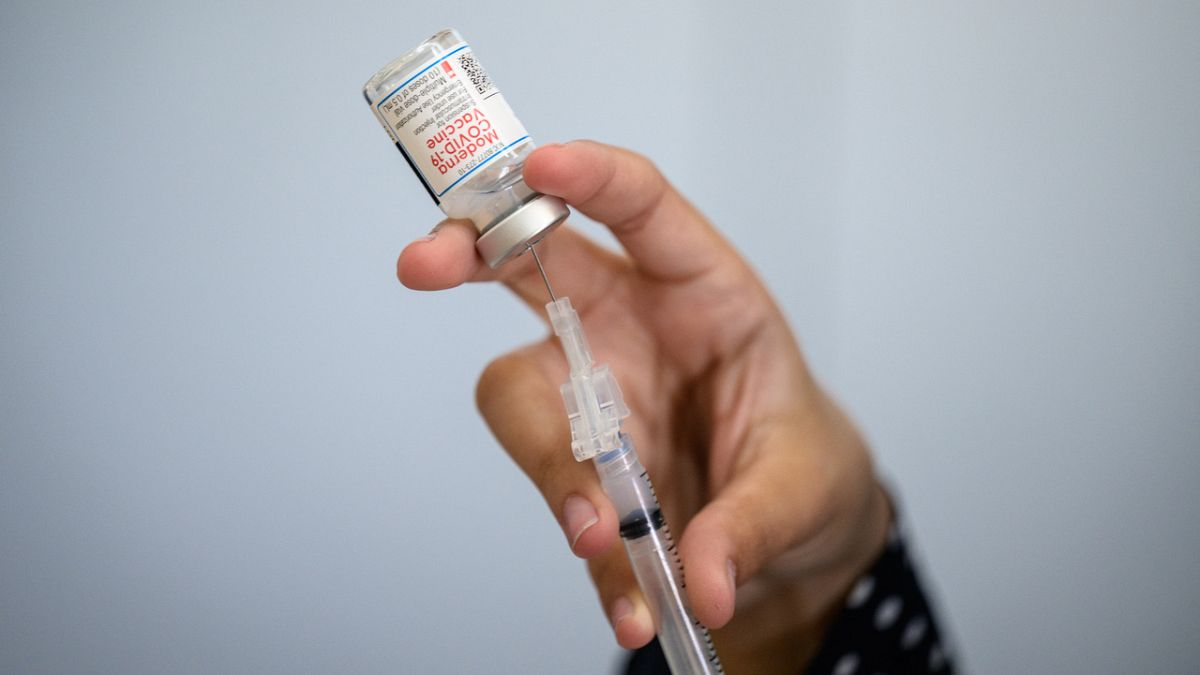
The consensus among public health officials is clear: vaccination remains the primary defence. The WHO and national agencies strongly advocate for eligible populations, especially the elderly and at-risk groups, to receive updated COVID-19 and influenza vaccines. Vaccination is still the best way to protect ourselves, they advise, combined with sustained personal hygiene practices and common-sense precautions.
The European Response: Vaccines and Vigilance
The European Commission has authorised new COVID-19 vaccines from Pfizer, adapted to target emerging Omicron sub-variants. This updated vaccine, Comirnaty, is expected to broaden immune protection for adults and children over six months. This vaccine is another important milestone in the fight against the disease, the Commission stated.
European Commissioner for Health, Stella Kyriakides, emphasised that coordination is the foundation of a strong European Health Union. From the pandemic's outset, the EU has worked with member states on guidelines for monitoring, sequencing, and vaccination strategies through the ECDC. Kyriakides urged citizens to follow medical advice on vaccination and basic hygiene, stating, We need to protect each other in the difficult autumn and winter season that may follow.
Nationally, governments are taking proactive steps. The United Kingdom has brought forward its autumn vaccination campaign to 11 September. In France, the combined COVID-19 and influenza campaign will begin on 2 October. These moves are designed to get ahead of a potential surge.
Dr Kluge has called for European states to reinvest in robust surveillance and data sharing, both within the continent and by monitoring risks beyond its borders. This ongoing vigilance is seen as critical for an effective response, much like the international scrutiny seen in cases such as the Vienna court case involving a former Austrian diplomat.
The situation underscores that while the acute emergency phase has passed, COVID-19 remains a persistent public health challenge. The approach recommended by experts like Bassat mirrors the advice he gives his own elderly parents: Caution, prudence and common sense. As Europe faces another winter of respiratory threats, the balance between normalcy and necessary precaution defines the continent's current chapter in managing the pandemic.