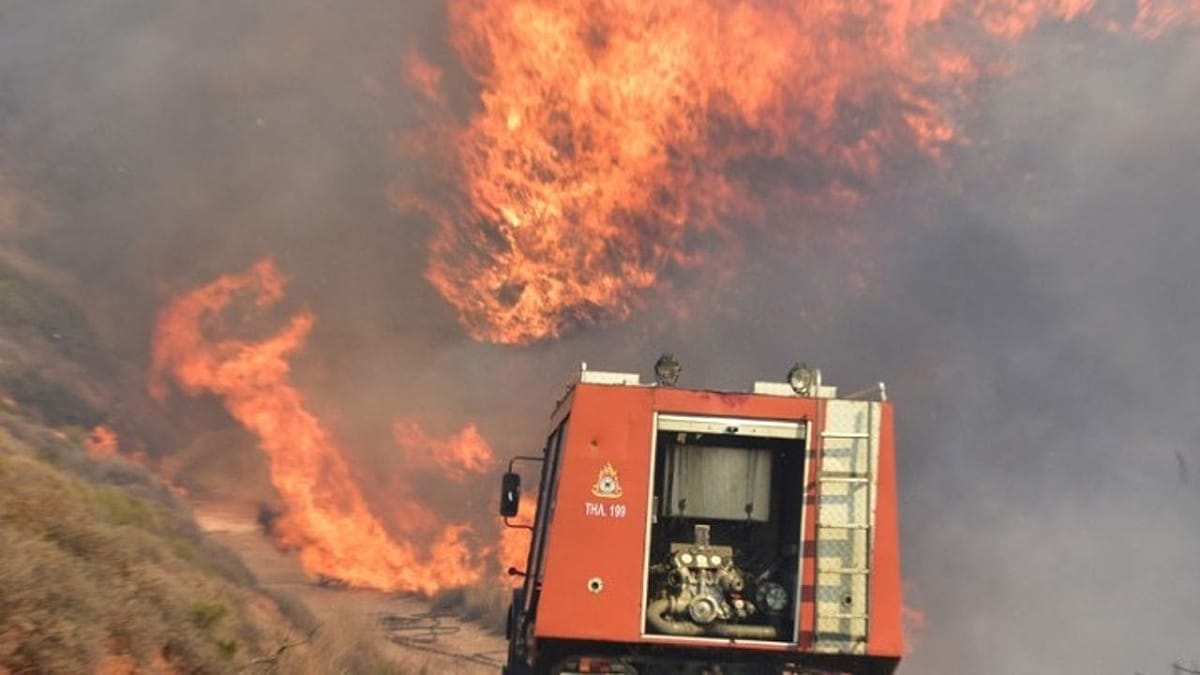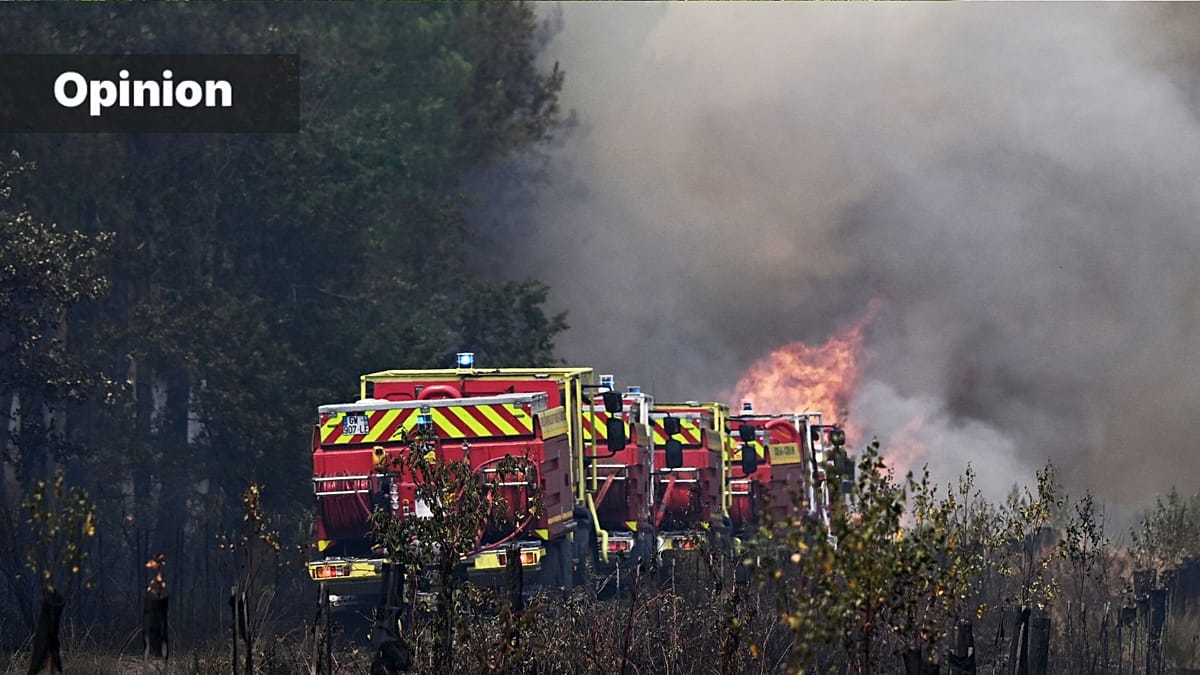
As a record-breaking heatwave sweeps across the continent, wildfires rage from Greece to Portugal, health systems buckle under the strain, and critical infrastructure shows its fragility. But these events are no longer outliers: heat, drought, fire and floods now arrive in rapid succession, exposing landscapes and infrastructure built for a climate that no longer exists.
Environmental organisations including WWF are urging the European Commission to seize a pivotal moment. The Commission is drafting a new European Framework for Climate Resilience, which will include binding legislation intended to shape how the EU prepares for escalating climate shocks over the coming decades. The danger, critics warn, is that the framework could become another exercise in adaptation bureaucracy — more plans and assessments without defining what meaningful resilience should actually require or achieve.
Decades of draining wetlands, straightening rivers, sealing soils and degrading natural landscapes have systematically removed the systems that once absorbed, stored and slowly released water. Wetlands, floodplains, peatlands, healthy soils and forests — the continent's natural water infrastructure — have been stripped away. The result is a landscape where water moves too fast when it rains, disappears too quickly when it does not, and leaves societies exposed to increasingly volatile cycles of flood, drought, fire and sea level rise.
Restoring the sponge function
Restoring what experts call the 'sponge function' of landscapes protects cities from floods, stabilises water supplies during drought, reduces wildfire risk, supports food production, cools urban areas and helps keep critical infrastructure functioning during climate extremes. Recent research from Germany's KliMaWerk programme found that large-scale water retention and landscape restoration measures are significantly more effective and resilient over time than isolated technical solutions alone — and that the real barrier is governance.
The European Commission's public consultation on the framework drew a clear message from citizens: invest more in prevention, with nature-based solutions as the first line of defence. Yet degraded landscapes continue to amplify the very risks adaptation policy is supposed to reduce. As a recent study found, heat, not rainfall shortage, now drives Europe's droughts, underscoring how altered landscapes exacerbate the effects of rising temperatures.
One option under discussion would require member states to assess where natural water retention measures could reduce flood, drought and wildfire risks as a mandatory component of adaptation planning — drawing inspiration from Scotland's Flood Act. Another would impose national or regional 'sponge targets', inspired by the Flemish Blue Deal, to increase landscape water retention capacity and reduce hydrological volatility. This would not impose one-size-fits-all measures from Brussels; member states would retain flexibility to define targets suited to their own hydrological realities. But they would no longer be able to ignore the role degraded landscapes play in amplifying climate risks.
The economic stakes are enormous. Water companies, farmers, insurers, businesses and regional authorities all have a direct stake in restoring landscape resilience, because the costs of instability in Europe's water cycle are now too large to ignore. Europe cannot insure, compensate and rebuild its way out of accelerating hydrological instability.
This debate can no longer remain confined to environmental NGOs. Europe's climate risks are systemic, and the response must become systemic too. By placing the restoration of landscapes and healthy water systems at the heart of climate legislation, the new framework can help shift the continent from managing climate disasters to reducing climate risks at their source — strengthening economic resilience, public safety and long-term competitiveness.