Western Europe endured its hottest June since records began, with the EU's Copernicus Climate Change Service reporting an average temperature of 20.74°C — 3.06°C above the 1991–2020 baseline. The previous record, set in June 2025, was surpassed by a wide margin. Across the continent as a whole, June was the second-warmest on record, with England and France each logging their hottest June ever. Germany recorded its second-warmest June and set a new all-time national maximum temperature.
Excess deaths: a toll concentrated among the elderly
Data from EuroMOMO, the European Mortality Monitor, indicate that the late-June heatwave led to more than 10,000 excess deaths. Over 9,000 of those were among people aged 65 and older. France alone recorded at least 5,764 excess deaths — 36% more than anticipated — making it the deadliest heatwave since 2003, according to the country's national public health agency.
The high death toll has renewed scrutiny of France's preparedness for extreme heat. Critics argue that reforms enacted after the 2003 disaster have not gone far enough to protect vulnerable populations. In late June, Prime Minister Sébastien Lecornu convened a government crisis meeting to assess future readiness. For more on the human cost, see our coverage of France's June heatwave and its mortality impact.
Agricultural losses: a €2 billion hit to grain harvests
The Energy and Climate Intelligence Unit (ECIU), an independent non-profit, estimates that the June heatwave could reduce the value of Europe's grain harvest by roughly €2 billion. France and Hungary account for nearly three-quarters of the projected losses. The French grain harvest has been revised down by 4.1 million tonnes, worth about €891 million, as extreme heat damaged wheat and maize during early development. Hungary lost an estimated 2.4 million tonnes of grain valued at €444 million.
Tom Lancaster, an analyst at the ECIU, said the heatwave came at a "terrible time for European cereals farmers, hitting crop development and reducing yields across the continent." He added that this "will hit farmers in the pockets, reducing their income and undermining European food security at the same time." The ECIU warns that the losses are likely to increase Europe's reliance on imports and could push up global commodity prices, depending on harvests in the Southern Hemisphere later this year.
Three heatwaves in three months
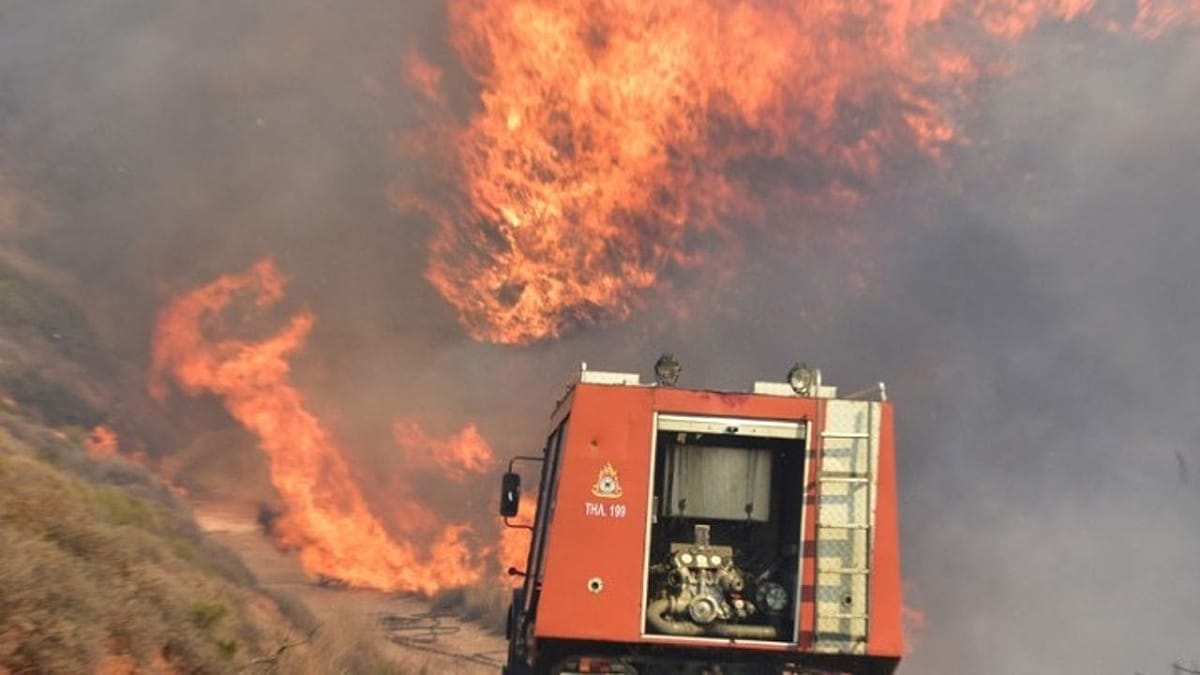
Scientists stress that the June heatwave was not an isolated event. The Copernicus Climate Change Service documented major heatwaves across Western Europe in May, June, and early July, with record sea surface temperatures helping to fuel extreme conditions. A new heatwave is expected to hit Europe this week, prompting fire warnings in parts of southwestern France and northern Spain, according to the European Forest Fire Information System. The UK and Portugal are also bracing for rising temperatures.
The latest hot spell has already ignited wildfires across France and Spain, particularly in regions outside Madrid, where officials describe the fires as the worst the area has ever suffered. For more on the immediate consequences, read about France and Spain's efforts to contain wildfires and the health risks posed by wildfire smoke traveling across Europe.
According to the European State of the Climate 2025 report, Europe is the world's fastest-warming continent, with temperatures rising at roughly twice the global average. The repeated heatwaves underscore the urgency of adapting infrastructure, healthcare systems, and agriculture to a hotter future.