Europe is home to countless places that seem to have stepped out of a fantasy novel—hilltop castles rising above misty forests, medieval villages glowing under winter lights, and ancient islands surrounded by dramatic tides. But these are not film sets; they are living communities where daily life unfolds amid centuries-old streets and landscapes.
Travel website European Best Destinations has released its 2026 ranking of Europe's fairytale destinations, combining expert selections with votes from travellers worldwide. From over 4,200 locations across the continent, the list was narrowed to 68 based on history, atmosphere, originality, culture, and visitor experience. Travellers then chose their top three, producing a mix of iconic landmarks and under-the-radar escapes. Twelve new entries made the shortlist this year, including Riga in Latvia and Craiova in Romania for the first time.
Castles and Coastal Wonders
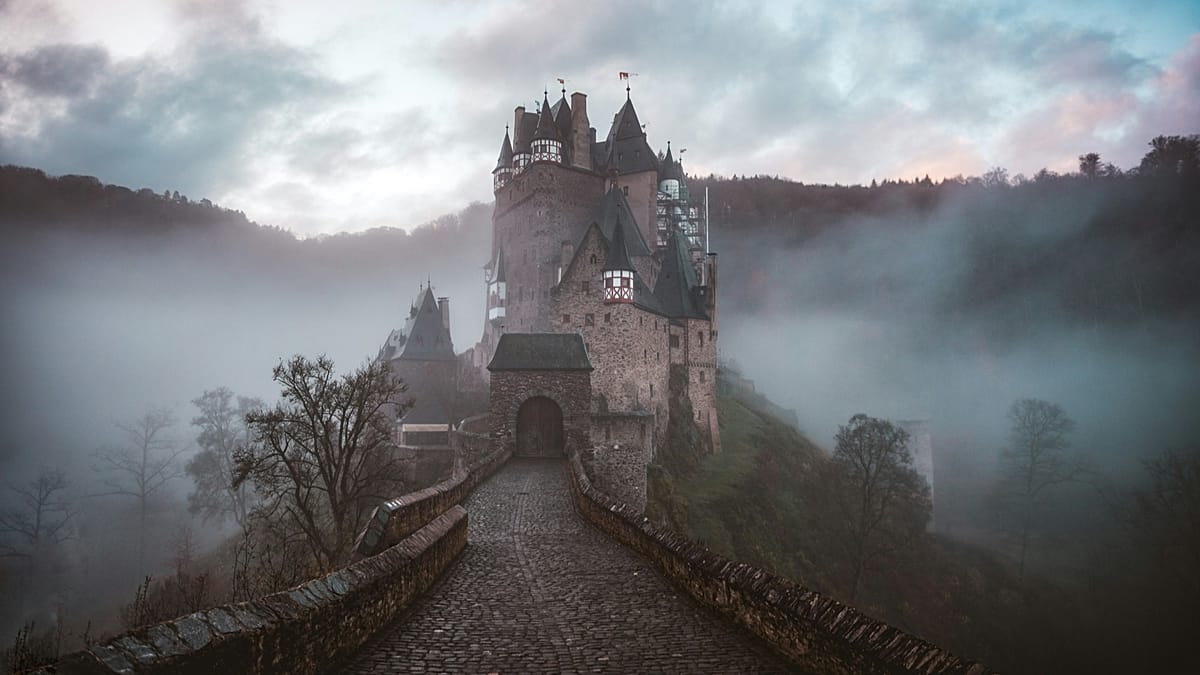
Topping the list is Eltz Castle in Germany, hidden among the forested hills of the Moselle Valley. This medieval fortress has belonged to the same family for over 850 years and, remarkably, has never been destroyed by war. Its fairytale towers and turrets draw visitors, but inside, lavishly furnished rooms, suits of armour, and centuries-old tapestries offer a glimpse into life at one of Europe's best-preserved castles.
In France, Mont-Saint-Michel rises dramatically from the tidal flats off the Normandy coast. Crowned by its soaring Benedictine abbey, the UNESCO-listed island has captivated visitors for centuries. Wander its narrow medieval streets, climb to the abbey at the summit, and watch the tides transform the landscape. For the most magical experience, arrive early or stay until evening, when day-trippers have left and the island is at its peaceful best.
On Spain's Costa Brava, Tossa de Mar offers a different side to the coastline. While much of the area is known for busy beach resorts, this former fishing village is crowned by the impressively preserved medieval walls of Vila Vella, overlooking golden sands and the sparkling Mediterranean. Cobbled streets lead to old watchtowers with sweeping sea views. Artist Marc Chagall famously called it the "Blue Paradise," and artists still flock here for inspiration.
Atmospheric Avenues and Urban Charms
In Northern Ireland, the Dark Hedges is an atmospheric avenue of twisted beech trees planted in the 18th century to frame the entrance to a Georgian estate. Fans of Game of Thrones will recognise it as the King's Road, but it's worth visiting even without the series. Arrive early to experience the eerie tunnel of trees before the crowds, then continue along the Causeway Coast to the Giant's Causeway and dramatic Dunluce Castle. For more on the region's attractions, see Ireland's Top Tourist Attractions: Museums and Distilleries Lead Rankings.
Riga, Latvia, may not have the polished fairytale feel of some European capitals, but that is exactly what makes it appealing. The Latvian capital blends medieval streets and church spires with one of the world's finest collections of Art Nouveau architecture. Start in the cobbled Old Town, where colourful guild houses surround the striking House of the Black Heads, then climb St Peter's Church for panoramic views across the rooftops and the Daugava River. After dark, the historic centre takes on a different atmosphere, with softly lit streets perfect for an evening wander.
Other highlights on the list include Germany's Neuschwanstein Castle and Rothenburg-ob-der-Tauber, Slovenia's Bled, France's Riquewihr and Kaysersberg, Romania's Craiova, Italy's Orcus Mouth in the Gardens of Bomarzo and Isola Bella in Tropea, Malta's Popeye Village, Prague in Czechia, Spain's Alcazar Castle in Segovia, and Portugal's Sintra. These destinations, from iconic gems to unexpected discoveries, are set to be on travellers' radars in 2026.