As autumn settles over the continent, cultural heritage is increasingly shaping how Europeans plan their getaways. According to the European Travel Commission, cooler months are prompting more travellers to centre their trips around history and tradition. That sentiment is echoed by TUI Musement, whose research shows that 94% of respondents are interested or very interested in history, culture, and heritage experiences during city breaks, and eight in ten have visited a monument near their home.
To help travellers decide where to go, TUI Musement has released a new ranking of the 30 most popular castles and palaces in Europe for 2026, based on accumulated Google reviews. The analysis compared review volumes from 2023 and 2026 to highlight shifts in popularity. Spain leads the list with six entries, including two in the top ten: the Alhambra in Granada and the Royal Palace of Madrid.
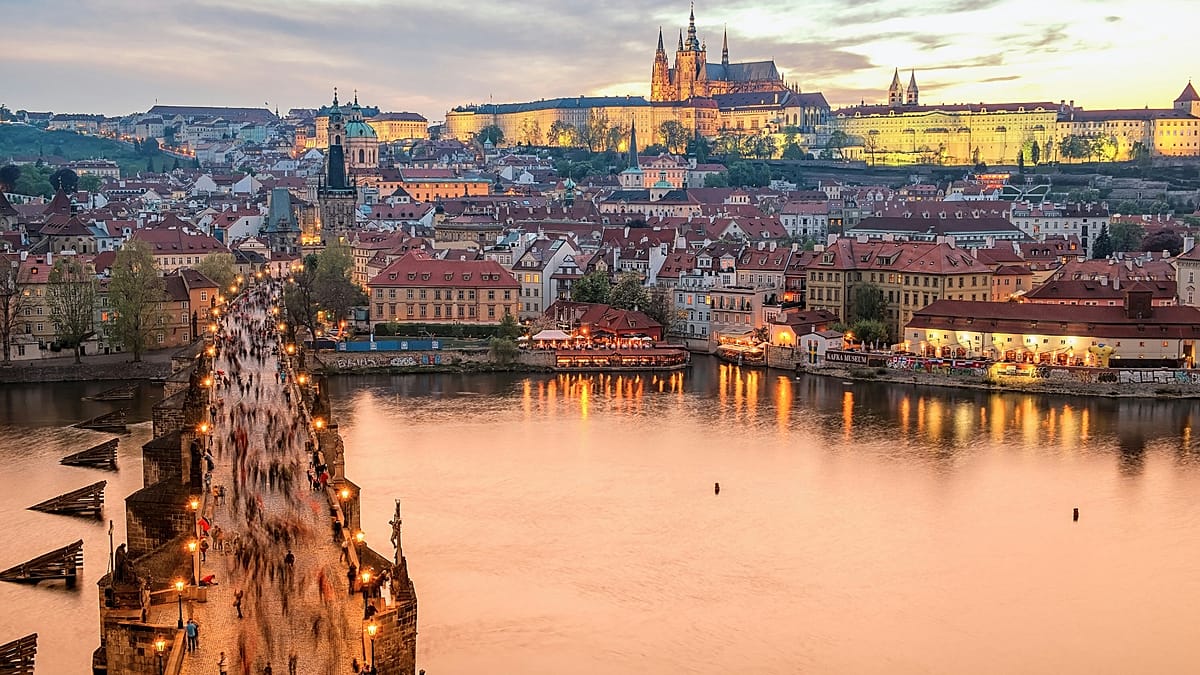
Prague Castle, a sprawling complex that has long been a magnet for visitors, holds onto its number one position. With nearly 199,000 reviews—31% more than in 2023—it remains one of the largest palace complexes in the world. A single ticket grants access to St Vitus Cathedral, the Old Royal Palace, and the picturesque Golden Lane, offering a journey through centuries of Bohemian history.
Buckingham Palace in London takes second place. As one of the British monarchy's official residences, it draws thousands who watch the Changing of the Guard, and during summer months, visitors can tour the state rooms. The palace's enduring appeal reflects London's status as a top European destination.
Schönbrunn Palace in Vienna climbs two spots to third, marking the 30th anniversary of its UNESCO World Heritage designation. The former imperial summer residence offers a deep dive into the Habsburg legacy, with its lavish rooms and expansive gardens. For those interested in walking holidays as an alternative to crowded sites, Schönbrunn's grounds provide ample space to explore on foot.
The Palace of Versailles, fourth on the list, remains an essential stop for understanding French history. From the Hall of Mirrors to the meticulously manicured gardens, it embodies the absolutism of Louis XIV, the fall of the monarchy, and the signing of the Treaty of Versailles that ended World War I. Its inclusion underscores the enduring fascination with France's royal past.
Wawel Castle in Kraków, though dropping two places to fifth, is still a cultural cornerstone. The former residence and coronation site of Polish kings houses the famous Dragon's Den statue, a symbol of the city. Its blend of Gothic, Renaissance, and Baroque architecture continues to captivate visitors.
Spain's Alhambra and Royal Palace of Madrid occupy sixth and seventh places. The Alhambra, a breathtaking complex of palaces, gardens, and fortresses, was once home to Nasrid sultans and later Castilian kings. The Royal Palace of Madrid, which rose one spot after a 47% increase in reviews, still hosts official ceremonies but opens its throne room, Gasparini room, and royal chapel to the public.
The Tower of London, eighth, is steeped in dramatic history—from the execution of Anne Boleyn to the mysterious disappearance of the Princes in the Tower. Today, it guards the Crown Jewels and is watched over by Yeoman Warders and ravens, whose presence is said to protect the fortress. Its story is a reminder of how travellers often seek out places with a sense of transgression.
Neuschwanstein Castle in Bavaria has climbed to ninth, thanks to a significant rise in reviews. The fairy-tale palace, built for King Ludwig II, invites visitors into a world of art, architecture, and medieval legend. Its dramatic setting in the Alps makes it a favourite for photographers and romantics alike.
Rounding out the top ten is Bran Castle in Romania, often called Dracula's Castle. Beyond the vampire myth, it offers a window into Romanian history, from its role as a frontier fortress to its time as a royal residence. For fans of the spooky, a visit to Transylvania is a must, and the castle's eerie corridors deliver on that promise.
The ranking reflects a broader trend: travellers are increasingly prioritising cultural immersion. As the European Travel Commission notes, autumn is a prime season for such pursuits, with fewer crowds and a more intimate atmosphere. Whether you're drawn to imperial grandeur, medieval fortresses, or royal residences, Europe's castles and palaces offer a tangible connection to the past.
For those planning a cultural autumn break, the list provides a solid starting point. But as the data shows, popularity isn't static—new entries like Buda Castle in Budapest, which saw a 65% jump in reviews, suggest that travellers are always discovering fresh corners of the continent. And with Slovenia's compact playground offering a different kind of adventure, there's no shortage of ways to experience Europe's heritage.