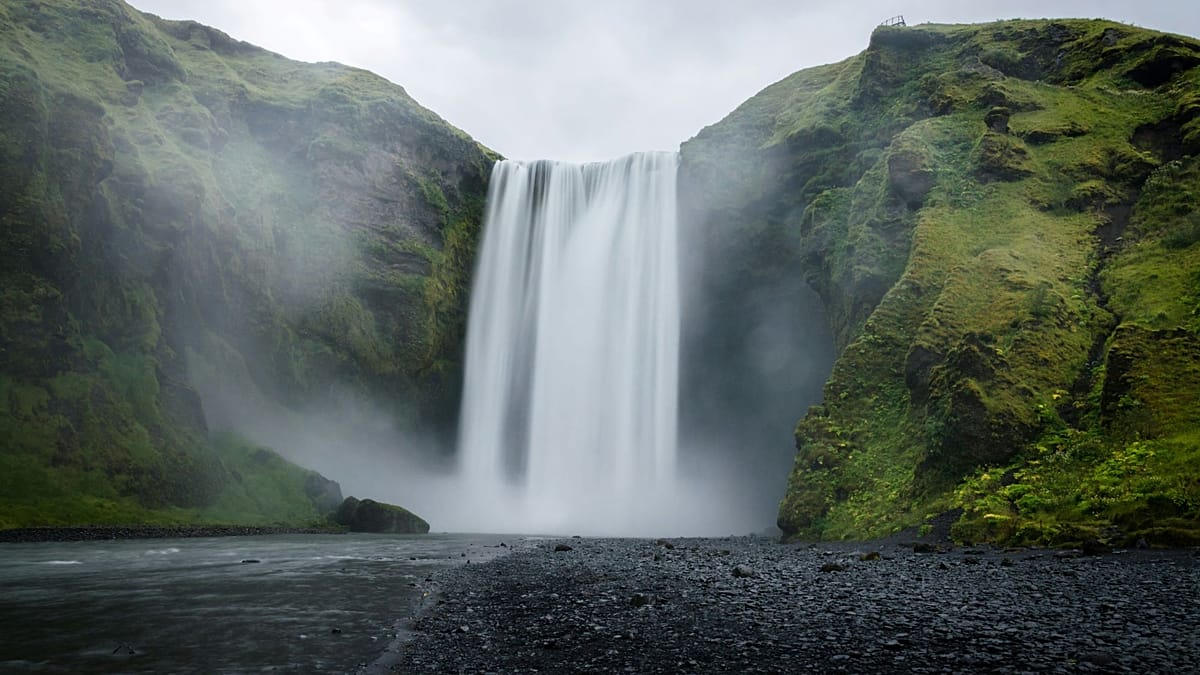
Some countries invite you to simply look; others urge you to move. Slovenia belongs firmly to the second category. This compact nation of just over 20,000 square kilometres and barely two million people packs an extraordinary variety of terrain into a space smaller than Wales. Around 60% of its surface is forested, and more than a third falls under some form of protection, including extensive Natura 2000 sites. It is the green lung of the Balkans—and a vast natural stage for anyone who prefers holidays spent in motion.
Hiking, cycling, climbing, kayaking, rafting, canyoning, and caving are all on the menu. Distances are short enough that within a few hours you can move from a Central European capital to an Alpine lake, or from a turquoise river to one of the most spectacular underground canyons on Earth. Over five days, a camper van proved the ideal way to explore—here, the road itself is part of the journey.
Ljubljana: a capital made for strolling
Our first stop was Ljubljana, the country's largest city but still home to fewer than 300,000 people. It is compact enough to explore entirely on foot, which is arguably the best way to appreciate its charms. The historic centre unfolds along the Ljubljanica River, where bridges, terraces, and colourful buildings create a lively backdrop. Bicycles are everywhere, and in summer the riverbanks become an impromptu venue for sports and games, including volleyball.
A leisurely walk takes you past the Central Market, where stalls piled with fruit, vegetables, and local produce offer a snapshot of everyday life. Continue along the river and you'll reach some of the city's most iconic bridges. The Dragon Bridge, guarded by four large sculptures of the mythical creature, is a symbol of Ljubljana—the dragon appears on the city's coat of arms and throughout its streets. Legend links its origins to Jason and the Argonauts, who supposedly defeated a monster in the nearby marshes.
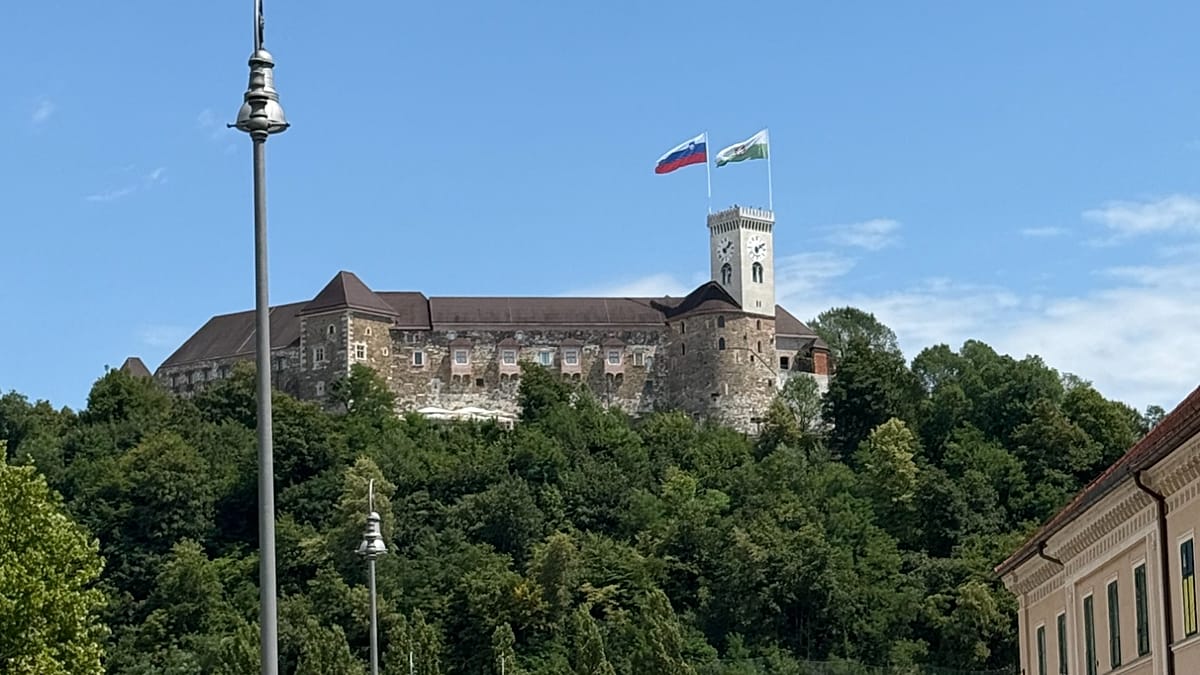
Above the old town, Ljubljana Castle has stood for over 900 years. Reachable on foot or by funicular, it offers sweeping views over the city and, on clear days, the mountains that beckon you onward.
Bled: the postcard that delivers
From Ljubljana, we headed into the Julian Alps. Our next stop was Bled, arguably Slovenia's most famous image. Its lake looks as if it were designed for a postcard: a tiny island crowned by a church rises from the water, while a medieval castle clings to a cliff above. But Bled is more than a photo opportunity. A six-kilometre loop around the lake is perfect for cycling, with constantly changing scenery that invites frequent stops. In summer, designated swimming areas offer a refreshing dip with the Alps as a backdrop—one of those small experiences that explain why Slovenia works so well as an active tourism destination.
Bled is spectacular, but it is also one of the country's most visited spots. To find a quieter side of Slovenia, we pushed on to Bohinj.
Bohinj: the wilder lake
The change is immediate. Lake Bohinj, Slovenia's largest permanent natural lake, stretches over four kilometres and lies at the heart of Triglav National Park. Less touristy than Bled, it feels far more untamed. At certain times of day, its waters are like a giant mirror, reflecting mountains and forest in a blend of greens, blues, and turquoises. There is no iconic island here—the landscape itself is the star.
Kayaking is one of the best ways to experience Bohinj. Paddling away from the shore gives you a new perspective on the surrounding peaks. You can also swim, paddleboard, or explore the shores by bike and on foot. The surrounding mountains multiply the options: hundreds of kilometres of trails criss-cross this part of the Julian Alps, from easy lakeside walks to demanding climbs. Rock climbers will find numerous faces and routes of varying difficulty. All of it unfolds under the watchful presence of Triglav, which at 2,864 metres is Slovenia's highest peak and a national symbol.
Beyond the lakes, Slovenia's underground world is equally impressive. The Postojna Cave system, one of the largest in Europe, offers a glimpse into a subterranean realm of limestone formations and rare wildlife, including the olm. For those who prefer to stay above ground, the Soča River, with its emerald waters, is a magnet for kayakers and rafters, while the Vršič Pass provides some of the most scenic driving in the Alps.
Slovenia's commitment to sustainability is evident everywhere. The country has been a pioneer in active coolcation destinations, and its network of trails and campsites is designed to minimise environmental impact. As overtourism reshapes travel patterns across Europe, Slovenia offers a model of how to balance accessibility with preservation—a lesson that resonates beyond its borders, as walking holidays become Europe's answer to overtourism.
For travellers seeking a holiday that engages both body and mind, Slovenia is hard to beat. Its compact size means you can pack a week with variety without spending hours on the road. Whether you're paddling across a mirror-still lake, cycling through alpine meadows, or descending into the depths of the earth, this is a country that rewards movement. And with the winter escapes season approaching, Slovenia's mountains offer a different kind of adventure—skiing, snowshoeing, and the quiet beauty of a snow-covered landscape.
In the end, Slovenia is not just a place to visit; it's a place to experience with your whole body. As the camper van rolled back towards Ljubljana, we understood why this small country has become a favourite among active travellers. It's not just the scenery—it's the way the landscape invites you to engage with it, to push yourself, and to discover something new around every bend.