As another summer of above-average temperatures drives travellers to seek relief, a new index from travel app Polarsteps has identified Europe's best destinations for a 'coolcation' in 2026. The Summer Heat Escape Index ranks 25 European countries based on six factors including day and night temperatures, sea swimming conditions, forest cover, and population density.
The index follows a Polarsteps survey conducted in April 2026, which found that 35% of British travellers chose a cooler destination for their summer holiday this year, with more than one in five making the switch for the first time. This trend reflects a broader shift in European travel patterns, as southern hotspots like Greece, Spain, and Italy face increasing heatwaves—a topic explored in our coverage of summer 2026 travel surges in Southern Europe.
Top 10 Coolest Destinations
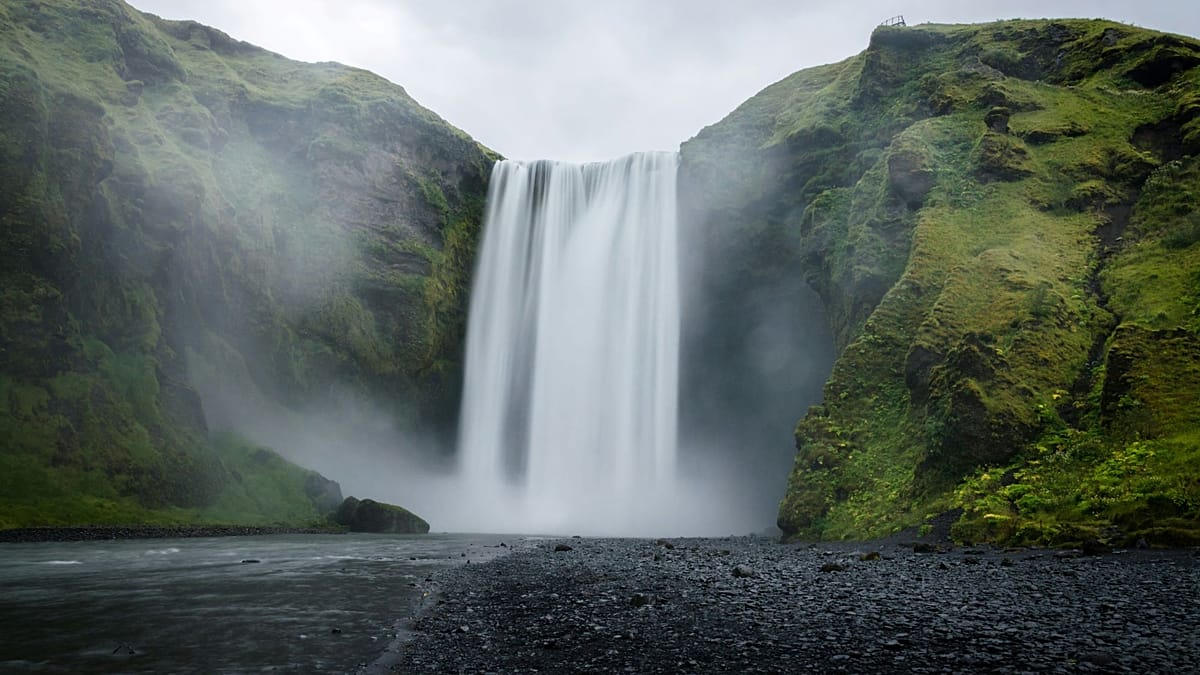
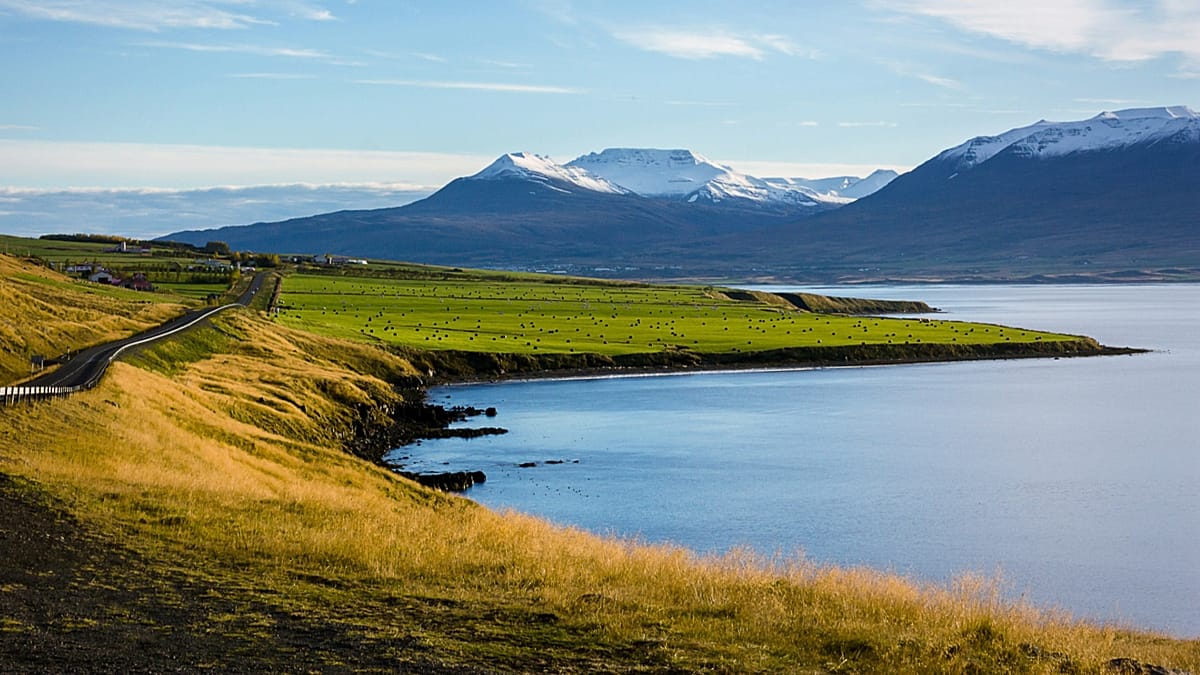
Iceland leads the ranking with a score of 83.81 out of 100, driven by average August daytime temperatures of just 10.7°C, cool nights of 8.1°C, legal wild camping, and the lowest population density in Europe. The country also offers some of the continent's coldest sea swimming, with waters around Akureyri averaging just 9.5°C.
Finland takes second place (77.02), earning top marks for nature: nearly three-quarters of the country is forested, and August temperatures average a comfortable 17°C, ideal for hiking and outdoor adventures. Norway completes the top three (76.06), combining mild summer temperatures with Europe's coldest sea swimming—waters at Ny-Ålesund average just 5.3°C in August—alongside extensive wilderness and legal wild camping.
Sweden ranks fourth (75.14), with August daytime temperatures averaging 17°C, vast forests, and the constitutional right to roam, known as Allemansrätten. The Baltic states—Estonia (72.18), Latvia (68.37), and Lithuania (65.27)—all feature in the top 10, highlighting them as emerging alternatives for travellers seeking cooler holidays without venturing as far north as Scandinavia.
Switzerland (60.10), Ireland (54.44), and the United Kingdom (50.74) round out the top 10, offering alpine or Atlantic-cooled escapes.
Methodology and Atlantic Alternatives
The index combines six factors: average August daytime and night-time temperatures, sea swimming conditions, forest cover, population density, and legal wild camping. Data was sourced from Meteostat and EN Climate Data using 1991–2020/2021 climate averages, while sea temperatures came from the past decade of observations at seatemperature.info.
For travellers who prefer warmth with a 'cool-off option,' Polarsteps recommends Europe's Atlantic coast. Atlantic currents mean parts of France (Portsall, 15.1°C), Spain (A Guarda, 16.6°C), and Portugal (Viana do Castelo, 16.6°C) offer some of the coldest sea swimming in Europe despite their warm summer climates. This is particularly relevant as Spain braces for mid-summer heatwaves and Portugal faces 45°C temperatures during summer festivities.
As climate change reshapes European travel, the rise of 'coolcations' underscores a growing preference for northern and Baltic destinations. The index provides a data-driven tool for informed travellers, though it notes that even southern coasts can offer relief when combined with Atlantic breezes.