On Wednesday, the defense leaders of Europe's five largest military powers convened in Berlin to align their positions ahead of next month's critical NATO summit. The talks focused on providing long-term security guarantees for Ukraine and reinforcing the European pillar of the Atlantic Alliance, a concept that has gained renewed urgency since Russia's full-scale invasion.
The meeting brought together ministers from Germany, France, the United Kingdom, Italy, and Poland—the continent's biggest defense spenders and contributors to NATO's eastern flank. Hosted by German Defence Minister Boris Pistorius at the Bendlerblock, the discussions aimed to translate political commitments into concrete military and financial pledges.
Security Guarantees and the European Pillar
A key item on the agenda was the architecture of security guarantees for Ukraine once active hostilities subside. While NATO membership remains a distant prospect, the five powers explored bilateral and multilateral arrangements that could deter future Russian aggression. These include enhanced intelligence sharing, joint exercises, and a framework for rapid reinforcement—measures that would effectively embed Ukraine within Western defense structures without triggering Article 5 obligations.
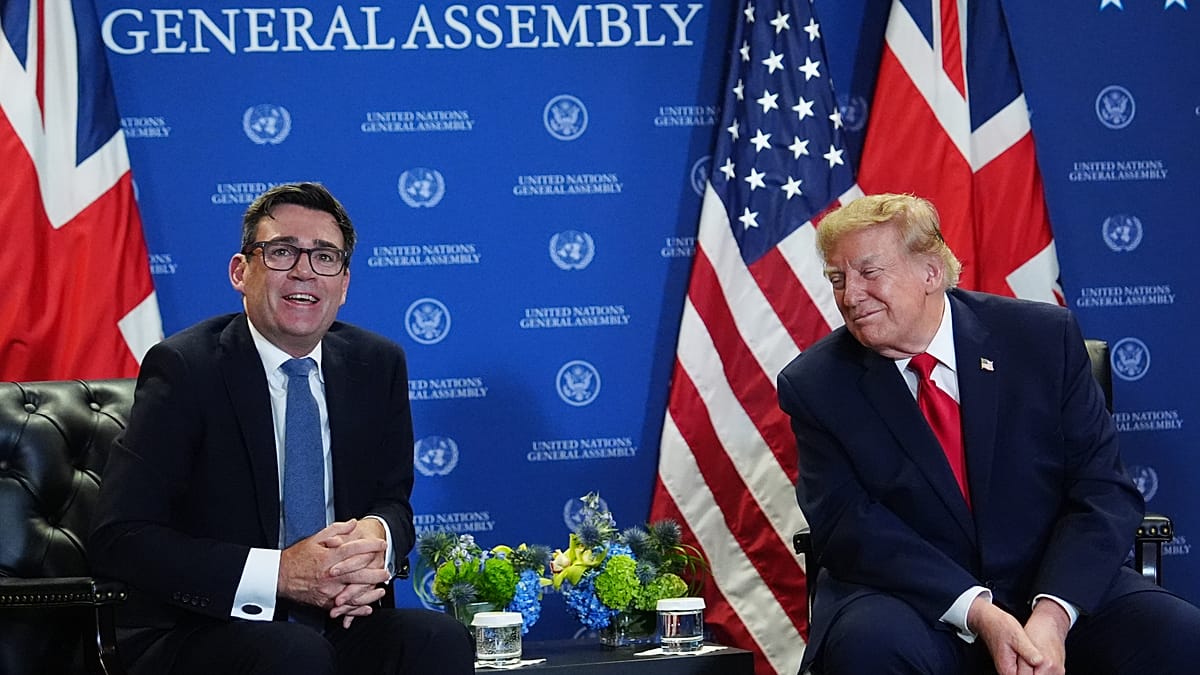
The concept of a stronger European pillar within NATO has been a recurring theme, particularly as the United States faces domestic political headwinds and a potential shift in foreign policy priorities. NATO Secretary General Mark Rutte's recent meeting with former President Donald Trump underscored the alliance's nervousness about American reliability. European leaders are increasingly aware that they must shoulder a greater share of the collective defense burden.
France has long advocated for European strategic autonomy, but the war in Ukraine has accelerated the conversation. President Emmanuel Macron, who has not ruled out sending Western troops to Ukraine, has pushed for a more assertive European defense identity. The Berlin meeting reflected a pragmatic compromise: Europe will strengthen its own capabilities while remaining firmly anchored in NATO.
Concrete Steps and Divergent Views
The ministers reviewed progress on ammunition production, a critical bottleneck exposed by the war. European defense industries are ramping up output, but orders remain below the levels needed to sustain Ukraine's defense and replenish national stockpiles. Germany announced a new €3.8 billion package of military aid, including Leopard 2 tanks and IRIS-T air defense systems, while the UK pledged additional Storm Shadow cruise missiles.
However, differences persist. Italy and France have been more cautious about escalating rhetoric against Russia, while Poland and the Baltic states advocate for a maximalist approach. The meeting did not produce a unified position on whether Ukraine should be allowed to strike targets inside Russia with Western-supplied weapons—a question that divides allies.
The gathering also touched on the broader security environment, including the Western Balkans and the Middle East. The EU's diplomatic service recently appointed a new leadership team with a defense focus, signaling Brussels' intent to play a larger role in crisis management.
Implications for the NATO Summit
The Berlin meeting serves as a dress rehearsal for the NATO summit in Washington, where Ukraine is expected to receive a package of practical support short of membership. The alliance will likely announce a new multi-year funding commitment, a NATO envoy to Kyiv, and an expanded training mission. But the most contentious issue—a formal invitation for Ukraine to join—remains off the table, blocked by Hungary and Slovakia, and viewed skeptically by the United States and Germany.
European leaders are also mindful of the political calendar. The EU has trimmed its ambitions for Ukraine's accession, with Budapest blocking progress on membership talks. The NATO summit will test whether the alliance can maintain unity in the face of internal dissent and external pressure.
As the war enters its third year, the urgency of the moment is palpable. The meeting in Berlin was a reminder that Europe's security is inseparable from Ukraine's fate. The five powers have taken a step toward a more coordinated and capable European defense, but the real test will come in Washington—and on the battlefield.