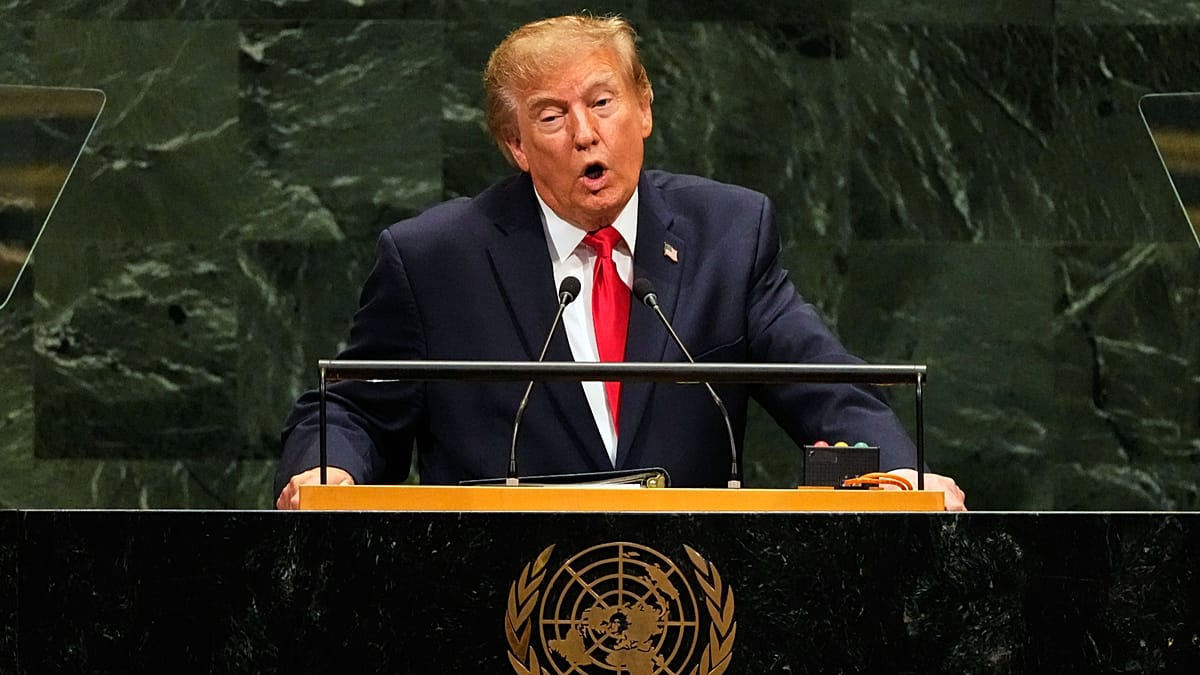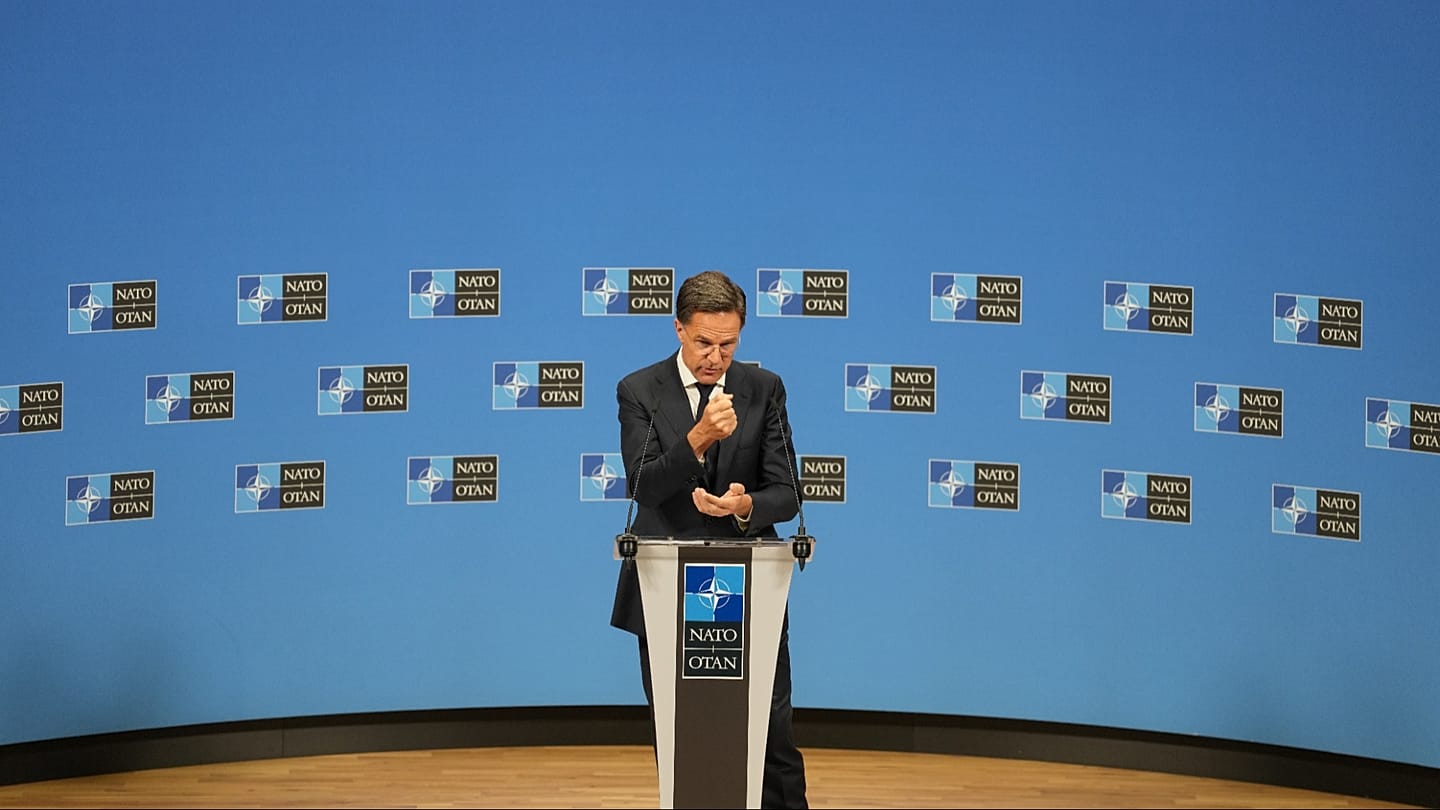
NATO Secretary General Mark Rutte has travelled to Washington for talks with former US President Donald Trump, aiming to lower the temperature ahead of a potentially bruising leaders' summit scheduled for July. The meeting underscores the deepening rift between the Trump administration and European allies, particularly over the conflict in Iran and Washington's decision to scale back its defence commitments to Europe.
Rutte, a former Dutch prime minister known for his pragmatic diplomacy, is seeking to bridge differences that have grown since Trump's return to the White House. European capitals have watched with alarm as the US has reduced its military footprint on the continent, a move that many in Brussels, Berlin, and Paris see as a direct challenge to NATO's collective defence principle.
Iran War Strains Alliance
The war in Iran has become a central point of contention. The Trump administration has pursued an aggressive military campaign in the region, while most European governments have called for restraint and a renewed diplomatic track. The US has also cut its European defence contributions, leaving countries like Poland, Germany, and the Baltic states to shoulder more of the burden for their own security.
Rutte's meeting with Trump is an attempt to find common ground before the summit, where leaders are expected to discuss burden-sharing, the alliance's strategic direction, and the response to Russian aggression. The timing is delicate: just days ago, Russian drone barrages hit Kyiv and Mykolaiv, sparking major fires, underscoring the ongoing threat from Moscow.
European Unity Tested
The July summit will test the cohesion of the 32-member alliance. Some European leaders, particularly in Central and Eastern Europe, have grown frustrated with what they see as Washington's unilateralism. The Czech president has even taken a NATO summit dispute to the Constitutional Court, highlighting the domestic political pressures at play.
Rutte's diplomatic push comes as the broader European security landscape shifts. The UK, under a departing Prime Minister Keir Starmer, faces its own uncertainties, with an EU-UK summit in doubt as Starmer sets his departure timetable. Meanwhile, tensions between Poland and Ukraine continue to simmer, adding another layer of complexity to the alliance's eastern flank.
For now, Rutte's task is to convince Trump that European allies remain committed to shared defence goals, even as they disagree on tactics in the Middle East. The outcome of their meeting will set the tone for what promises to be one of the most consequential NATO summits in years.