Despite a recent Memorandum of Understanding between the United States and Iran, European airlines are showing little urgency to resume flights to the Middle East and Gulf regions. The disruption caused by the US-Israel strikes on Iran in late February closed multiple airspaces, forcing carriers to reroute or suspend services. While Gulf-based operators such as Emirates, Etihad Airways, and Qatar Airways resumed flights by mid-March, most European flag carriers have set return dates months or even years away.
Mateusz Klimek, an airline network planning expert, explained to Euronews Travel that the delay is not primarily about security. “Many airlines that were flying to the Gulf region have used those planes to add extra capacity to other destinations in Asia as people choose to fly nonstop,” he said. “Once you add that capacity, you don’t want to change it back because of the disruptions to passengers and the costs.”
This strategic reallocation means that even if the US-Iran deal is finalised well before scheduled restart dates, airlines are unlikely to accelerate their return. The European Union Aviation Safety Agency (EASA) has issued a Conflict Zone Information Bulletin (CZIB) valid until 24 June, advising caution over airspace in Bahrain, Kuwait, Israel, Jordan, Qatar, Oman, UAE, and Saudi Arabia. That bulletin, however, is not the primary obstacle; rather, it is the commercial logic of redeployed aircraft.
When Will European Carriers Return?
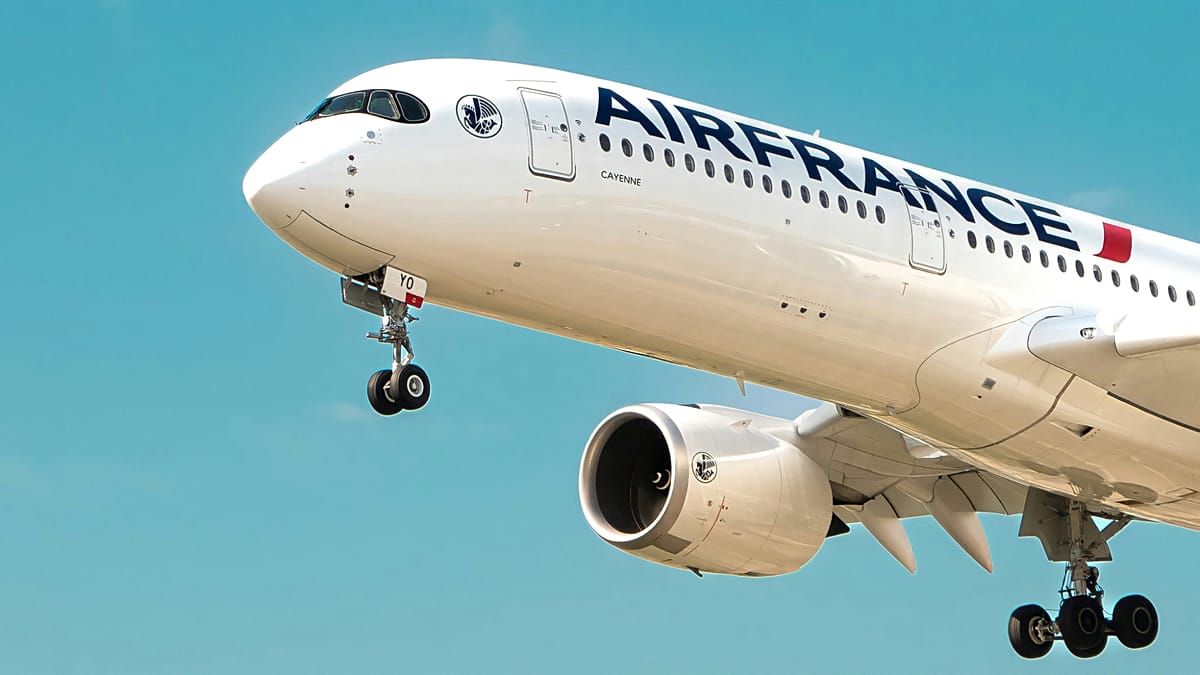
Air France has extended its suspension of flights to Beirut and Dubai until 24 June, aligning with the current EASA bulletin. Austrian Airlines has resumed flights from Vienna to Tel Aviv, but the broader Lufthansa Group has suspended all other Middle East routes until October 2026. KLM will not operate to Dubai, Riyadh, or Dammam until at least 9 August.
airBaltic, the Latvian carrier, plans to resume flights between Riga and Tel Aviv from 1 July, and will restart direct services from Riga to Dubai on 25 October, followed by Vilnius to Dubai on 28 October. The October dates coincide with the start of the IATA northern winter season, a common scheduling anchor. LOT Polish Airlines resumed flights to Tel Aviv on 31 May but will not return to Beirut until the summer 2027 schedule. Finnair will resume flights to Doha from 2 October.
British Airways has a staggered restart: Doha from 1 August, Riyadh from 8 August, and Dubai, Tel Aviv, Bahrain, and Amman from 25 October. It will not resume flights to Jeddah. Norwegian has suspended its Beirut and Tel Aviv routes indefinitely, while SunExpress has paused Dubai flights until 30 June and services to Bahrain, Beirut, and Erbil until 14 July.
The broader economic impact of these disruptions is already being felt. As BMW slashed its 2026 profit forecast citing, among other factors, Middle East tensions, the aviation sector’s cautious stance reflects a wider corporate reassessment of risk in the region.
Klimek noted that there is a silver lining for travellers: Gulf carriers are likely to offer competitive fares to rebuild passenger numbers. “You’re likely to find some great deals on flights from Gulf carriers as they attempt to entice customers back,” he said. For now, European passengers planning trips to the Middle East should expect limited options from their home carriers and may need to book with Gulf-based airlines or wait until late 2026 for a fuller restoration of services.