The European Parliament is preparing to trial a set of procedural changes during its upcoming plenary session from 15 to 18 June, aiming to curb the persistent problem of sparse attendance during debates and foster more substantive exchanges between lawmakers and EU Commissioners.
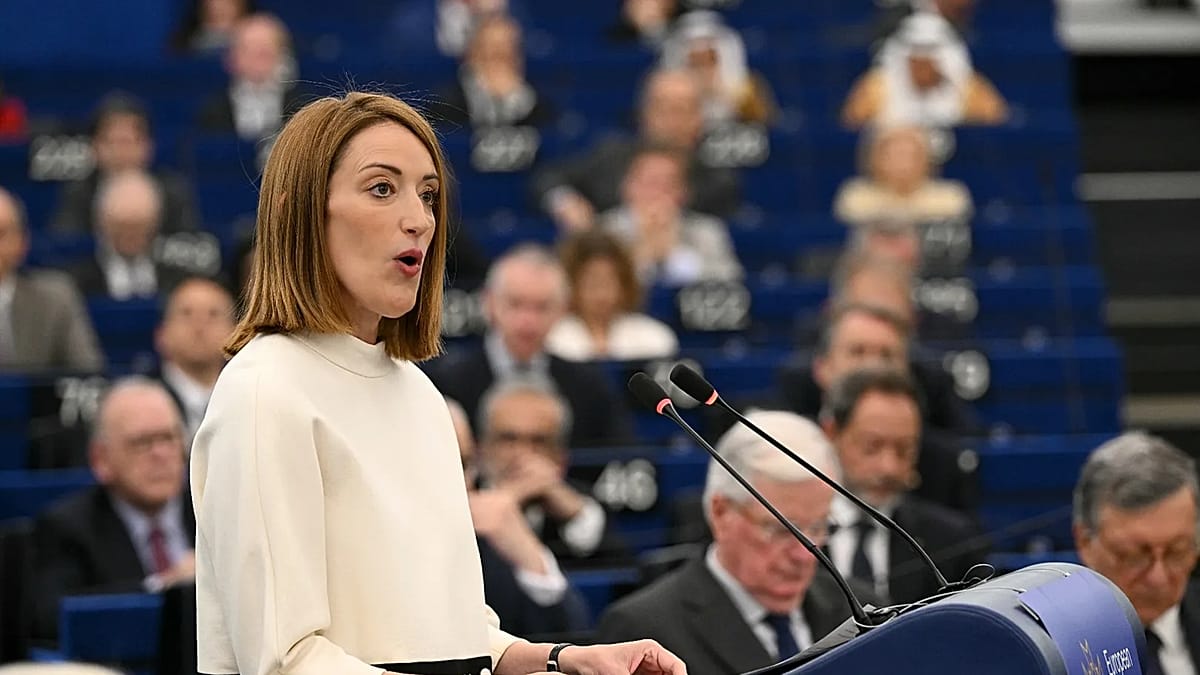
The decision, taken on Wednesday by the chairs of the Parliament's political groups, follows a request from President Roberta Metsola last year to propose reforms that would make debates shorter and more meaningful. Under current rules, discussions often overrun their allotted time, pushing the day's schedule into the late evening and leaving only those MEPs with speaking slots in the chamber.
Fixed Deadlines and Rescheduled Activities
In the June session, each sitting will have a strict cut-off time: 8:30pm on Monday, 7pm on Tuesday and Wednesday, and 4pm on Thursday. This is intended to prevent debates from dragging on and to encourage punctuality.
Another key measure is the rescheduling of other parliamentary activities—such as political group meetings or negotiations with member states—to after the plenary debates. Many MEPs currently miss debates because of overlapping commitments, a problem that has contributed to the empty seats visible in the chamber.
Lawmakers will also be allowed to make a short personal statement immediately if a colleague makes remarks directly relevant to them. The use of "blue cards," a mechanism that lets an MEP ask a question to the speaker on the floor, will be actively encouraged to increase interactivity.
Keeping MEPs Engaged
The Parliament will retain a format introduced in recent months for key debates: MEPs on the speaker's list are not told the order in advance, giving them an incentive to follow the entire discussion rather than arriving only for their slot. This approach has already shown some success in maintaining attention during high-profile sessions.
MEPs have also expressed a desire for more direct dialogue with EU Commissioners, who currently participate in debates with an opening statement and a closing remark. Under the new rules, Commissioners will be able to take the floor during the debate to respond to each lawmaker's intervention, making the exchanges more dynamic and less scripted.
The upcoming plenary will feature a dedicated debate to scrutinise the European Commission, modelled on the "question time" used in some national parliaments. Scheduled for 16 June at 3pm, after the Commission's college meeting, the session will focus on the reporting burden for small and medium enterprises across Europe—a topic of particular concern for businesses in member states such as Germany, France, and Italy.
These changes come as the Parliament seeks to address broader criticisms about its efficiency and relevance. The institution has often been accused of being out of touch with citizens, and visible empty seats during debates have not helped its image. By tightening the schedule and encouraging more direct engagement, the Parliament hopes to demonstrate that it can operate with the same discipline as national legislatures.
The trial will be closely watched by political groups and EU institutions. If successful, the reforms could become permanent, reshaping how the Parliament conducts its business and potentially influencing similar changes in other European bodies.