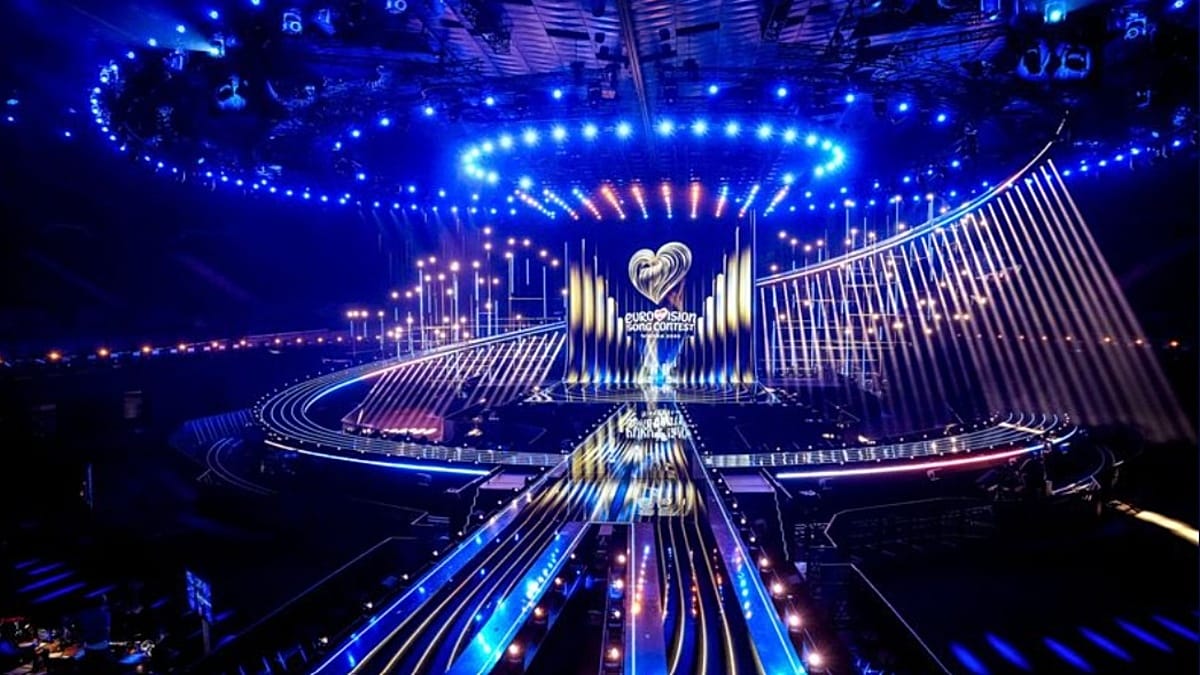
The 70th Eurovision Song Contest kicks off this week in Vienna, with two semi-finals on 12 and 14 May leading to the Grand Final on 16 May. But this year's edition is overshadowed by political controversy: five countries—Ireland, Spain, the Netherlands, Slovenia, and Iceland—are boycotting the event because of Israel's participation. Spain's absence is particularly notable, as it is one of the 'Big 5' nations that automatically qualify for the final due to their financial contributions.
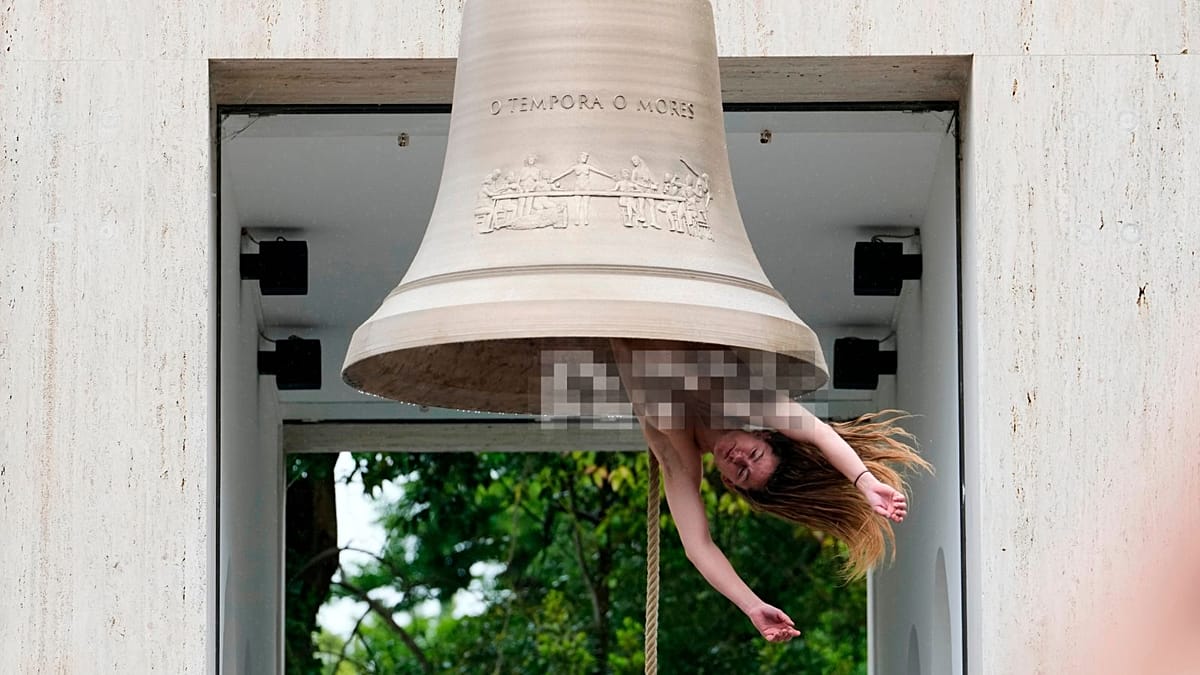
Tensions have been heightened by allegations that an Israeli government agency ran a paid online campaign to boost votes for its entry. In response, the European Broadcasting Union (EBU) reduced the maximum votes per person from 20 to 10 and banned third parties, including governments, from active promotion. The controversy echoes broader geopolitical strains, as seen in recent protests at the Venice Biennale over similar participation issues.
How to Watch the Semi-Finals
The first semi-final on Tuesday 12 May features 17 countries, while the second on Thursday 14 May includes 18. The top 10 from each will advance to the Grand Final. Viewers in participating countries can vote via SMS, phone, or online at www.esc.vote, with a maximum of 10 votes per person (none for their own country). The contest is also streamed free on YouTube in most regions.
Each semi-final includes opening and interval acts, such as a 70-member choir performing a tribute to L’amour Est Bleu and a special film celebrating the contest's 70th anniversary. Dress rehearsals and jury shows—which determine 50% of the vote—take place on 11 and 13 May, with family shows open to the public before the live broadcasts.
Who's Performing and Who's Out
First semi-final (12 May): Moldova, Estonia, Sweden, Israel, Croatia, Germany, Greece, Belgium, Portugal, Lithuania, Georgia, San Marino, Italy, Poland, Finland, Serbia, and Montenegro.
Second semi-final (14 May): Bulgaria, Austria, Azerbaijan, Latvia, Romania, Denmark, Luxembourg, Australia, Czech Republic, Ukraine, France, the United Kingdom, Armenia, Albania, Switzerland, Malta, Cyprus, and Norway. Bulgaria, Romania, and Moldova are new entrants this year.
Favorites According to Bookmakers
In the first semi-final, Finland's Liekinheitin by Linda Lampenius x Pete Parkkonen leads the odds, followed by Greece's Ferto by Akylas. Sweden's My System by Felicia is third, with Israel's Michelle by Noam Bettan and Moldova's Viva, Moldova by Satoshi also in the top five. Croatia, Serbia, Lithuania, Montenegro, and Poland round out the top ten.
For the second semi-final, Australia's Eclipse by Delta Goodrem is the frontrunner, ahead of Denmark's Før Vi Går Hjem by Søren Torpegaard Lund and Ukraine's Ridnym by LELÉKA. Romania's entry, Alexandra Căpitănescu's Choke Me, has sparked controversy for its alleged promotion of violent strangulation, though the singer insists it is about managing anxiety.
The boycotting nations will not broadcast the contest; Slovenia is airing a 'Voices of Palestine' documentary instead. Belgium, Finland, and Sweden had threatened to boycott but are expected to broadcast. An open letter from artists including Massive Attack and Paloma Faith accused the EBU of whitewashing the Gaza crisis. Meanwhile, the EBU has banned active promotion by governments, a move linked to the alleged Israeli campaign.
Despite the tensions, over 95,000 tickets for nine shows have been sold, making this the largest live Eurovision audience in years. The contest remains a cultural touchstone, blending pop spectacle with political undercurrents—a dynamic that continues to define Europe's biggest musical event.