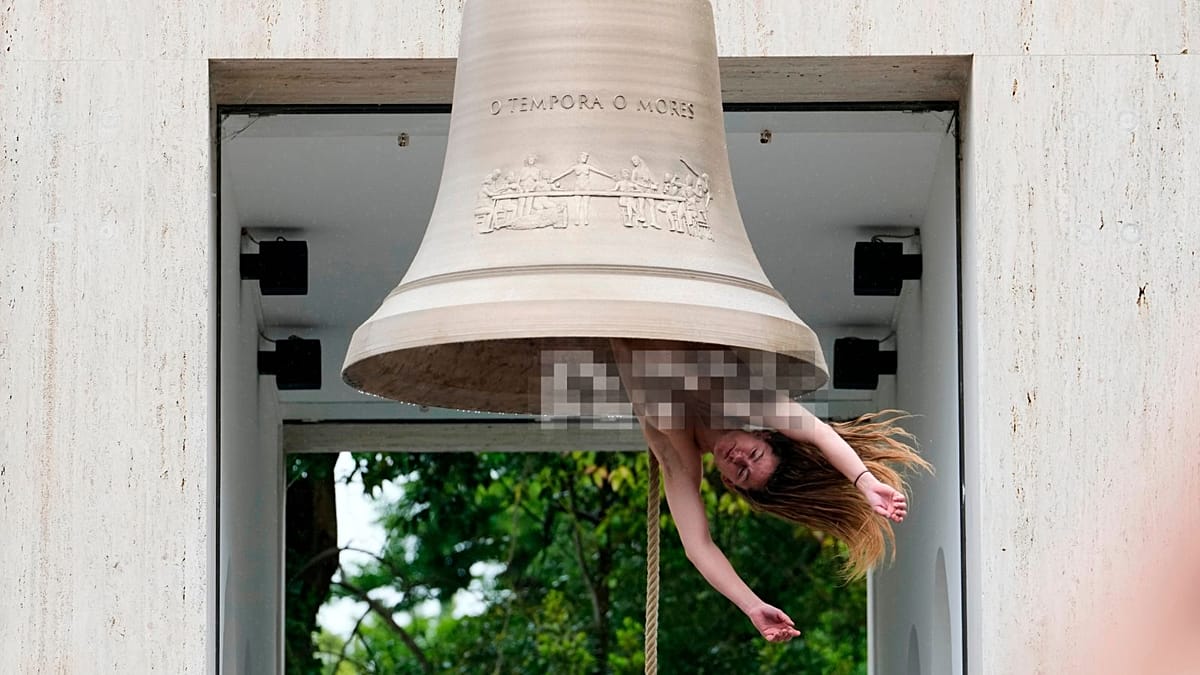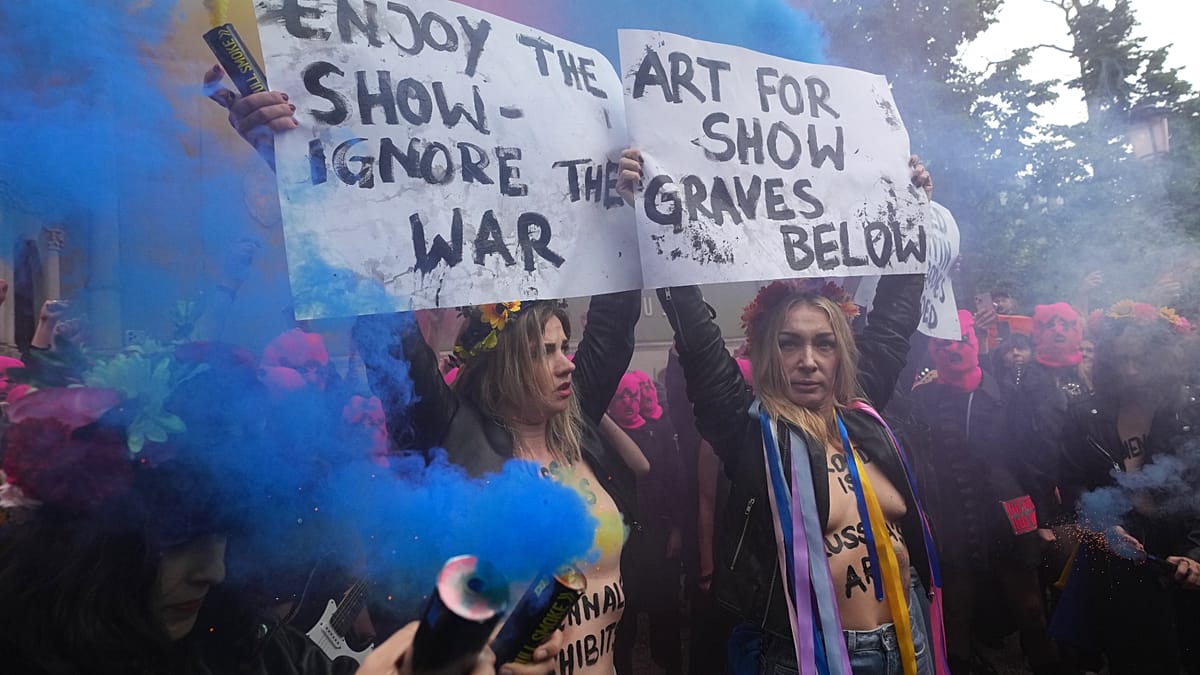
On Wednesday, the 2026 Venice Biennale began its press previews under a cloud of controversy, as activists from the feminist group Femen and the Russian collective Pussy Riot gathered outside the Russian pavilion. Their protest was a pointed response to Moscow's re-entry into one of Europe's most prestigious cultural events, three years after the full-scale invasion of Ukraine prompted widespread boycotts.
The demonstration, which took place in the Giardini della Biennale, saw topless activists from Femen holding banners that read "Russia is a fascist state" and "Stop the war." Members of Pussy Riot, known for their anti-Kremlin performances, joined the protest, chanting slogans and displaying signs condemning the Russian government's actions in Ukraine. The protest was largely peaceful, though it drew significant attention from international media and visitors.
Cultural Diplomacy or Propaganda?
Russia's return to the Biennale has been a contentious issue since the invasion began in February 2022. The Russian pavilion, a historic structure in the Giardini, was closed for the 2022 and 2024 editions as many European countries and cultural institutions severed ties with Moscow. Its reopening this year has been interpreted by critics as an attempt by the Kremlin to rehabilitate its image through cultural diplomacy, a strategy that activists and some European officials argue is inappropriate while the war continues.
Ukrainian officials and cultural figures have condemned the decision to allow Russia's participation. In a statement, the Ukrainian Ministry of Culture called it "a betrayal of the principles of cultural solidarity" and urged the Biennale organizers to reconsider. The protest in Venice echoed these sentiments, with Pussy Riot member Nadya Tolokonnikova telling reporters: "Art cannot be separated from politics when the Russian state is committing war crimes every day. This pavilion is a facade for a regime that kills artists and journalists."
The Biennale's organizers have defended the inclusion, stating that the event remains apolitical and focused on artistic merit. However, the decision has placed the institution at the center of a broader debate about the role of culture in times of conflict. Similar tensions have emerged at other European cultural events, such as the Cannes Film Festival and the Eurovision Song Contest, where Russia's participation has been restricted or banned entirely.
Broader European Context
The protest in Venice is part of a wider pattern of European cultural institutions grappling with how to respond to Russia's aggression. While some have imposed blanket bans, others have sought to distinguish between the Russian state and individual artists. This balancing act has proven difficult, as seen in the ongoing controversy over the Moscow's Victory Day Parade, which returned in a scaled-down form amid divisions within the EU over how to engage with Russia.
Italy, as the host nation for the Biennale, has faced particular scrutiny. The Italian government, led by Prime Minister Giorgia Meloni, has maintained a strong stance in support of Ukraine, providing military and humanitarian aid. Yet the decision to allow the Russian pavilion to reopen has raised questions about consistency in policy. Critics argue that cultural events should not be exempt from the broader sanctions regime, while others contend that isolating Russian artists could backfire by driving them into the arms of the state.
The protest also highlighted the role of activist groups in shaping public discourse. Femen, founded in Ukraine, has long used provocative tactics to draw attention to issues of authoritarianism and women's rights. Pussy Riot, which emerged from the Russian punk scene, has become a symbol of resistance against the Kremlin. Their joint action in Venice underscored the transnational nature of opposition to the war, linking activists from different countries in a common cause.
As the Biennale continues through November, the Russian pavilion is expected to host exhibitions that, according to its curators, focus on themes of memory and identity. But for many, the pavilion's presence remains a painful reminder of the ongoing conflict. The protest on Wednesday served as a stark counterpoint to the veneer of normalcy that cultural events often project, forcing visitors and participants alike to confront the political realities that lie beneath the surface.